The Two Essential Day Trips From Kraków: Wieliczka and Auschwitz
The essentials: The two classic day trips from Kraków are the Wieliczka Salt Mine, where the Tourist Route runs from 08:00 to 18:00 with tickets from 121 PLN, and the Auschwitz-Birkenau Memorial, where entry is free but must be reserved online in advance at visit.auschwitz.org. Both are UNESCO-listed and easy to reach from the city.
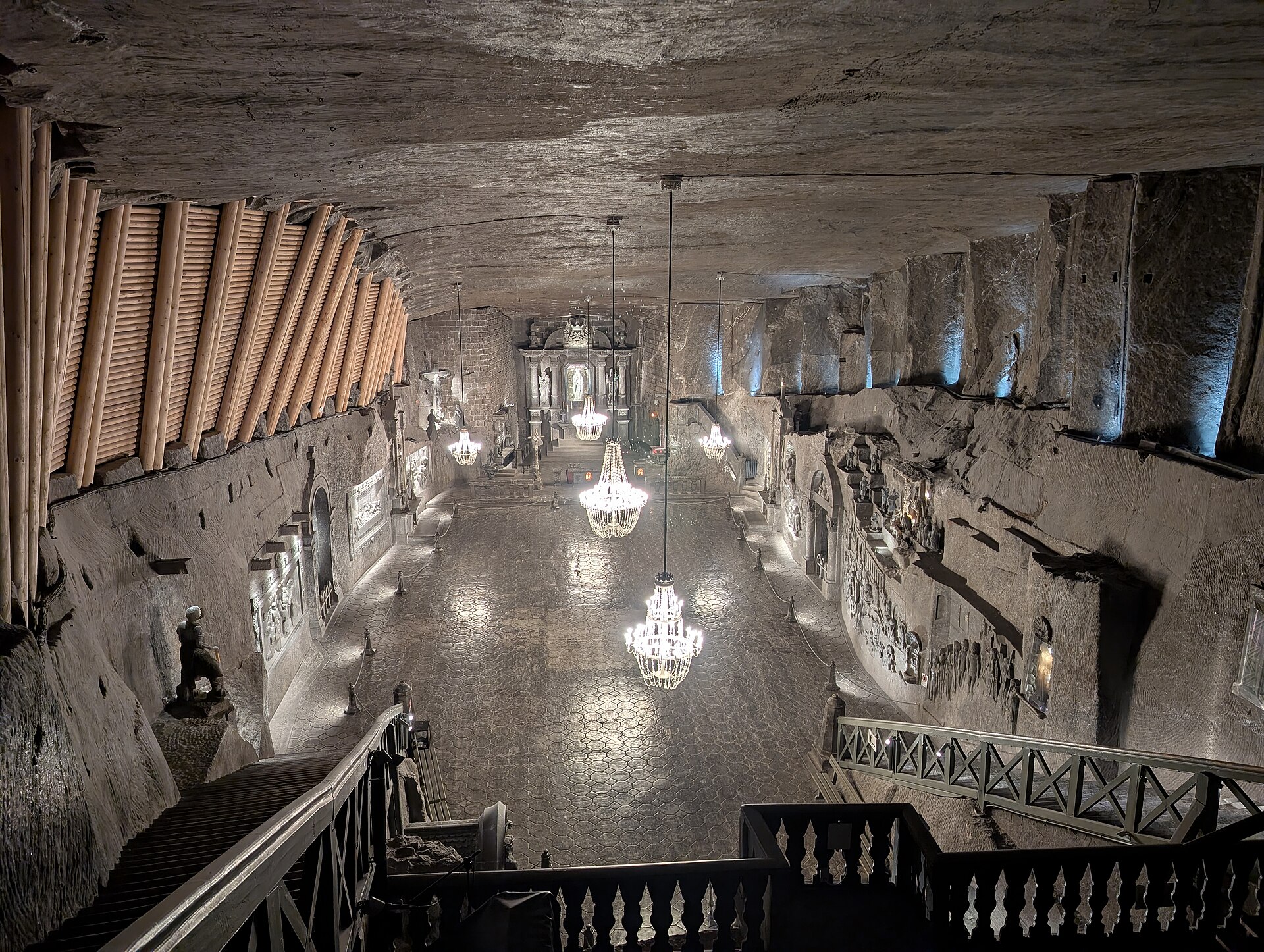
Two of the most important places in Poland sit within easy reach of Kraków, and they could not be more different: one celebrates seven centuries of human craft underground, the other preserves the evidence of the greatest crime of the twentieth century. The Wieliczka Salt Mine and the Auschwitz-Birkenau Memorial are both UNESCO World Heritage sites, both receive visitors every day, and both reward planning ahead. This guide brings together the official visiting rules for each, checked against the institutions' own websites on 20 October 2026.
What to know: these are the two trips where booking discipline matters most. Wieliczka sells timed tickets for guided routes, and Auschwitz no longer issues any entry cards at the door: everything goes through the online reservation system.
Wieliczka Salt Mine: the underground city of salt
The Wieliczka Salt Mine has been worked since the Middle Ages and is one of the oldest industrial enterprises in the world. The Tourist Route is the classic visit: a guided descent through saline lakes and beautiful underground chambers, including the unique St Kinga's Chapel, a full church interior carved entirely from rock salt by generations of miners. Along the way you learn how salt was extracted and transported with old mining tools and machines.
The practicalities, from the mine's official page: the Tourist Route is open from 08:00 to 18:00, and tickets start from 121 PLN per person, with discount, standard and family options. The tour suits all ages and does not require above-average fitness, but it is worth bearing in mind that there are more than 800 steps to climb. Car parking at Dembowskiego 22 can now be bought online before you arrive.
Give the mine half a day. The galleries keep a constant cool temperature year-round, which makes Wieliczka one of the few trips that works equally well in a January freeze or an August heatwave.
A few things make the visit easier to plan. The route is guided, which means places are tied to specific start times and languages, so turning up at midday in July without a reservation risks a long wait. The 800-plus steps go mostly down at the start and are spread through the tour rather than climbed in one flight, and the mine flags the route as suitable for all ages, but anyone with mobility concerns should read the route description before booking. Photography is generally part of the Wieliczka experience, and the chambers are lit with photographers in mind.
Data source: Wieliczka Salt Mine official Tourist Route page, updated 20 October 2026.
Auschwitz-Birkenau: how to visit the Memorial properly
The Auschwitz-Birkenau Memorial and Museum in Oświęcim preserves the grounds and buildings of the former German Nazi concentration and extermination camp. Both parts of the site, Auschwitz I and Auschwitz II-Birkenau, are open to visitors, and the standard guided tour lasts about three and a half hours. The museum's guidance is unambiguous about conduct: visitors should behave with due solemnity and respect and dress in a manner befitting a place of this nature.
The entry rules have changed in a way that catches many visitors out. Admission to the grounds is free of charge, but from 1 March, all entry cards are available only online at visit.auschwitz.org. No entry cards are issued at the museum entrance. Entrance to both parts requires a personalized entry pass, and their number is limited, so the museum urges visitors to book in advance and to arrive at least 30 minutes before the tour start for security checks.
You can visit independently without a guide as an individual, or join a guided tour. Fees are charged only for engaging a guide-educator, and organised groups are required to engage an Auschwitz Memorial guide; online guided tours also exist. The museum suggests the guided option for a better understanding of the history.
Luggage rules are strict: the maximum backpack or handbag size is 35 by 25 by 15 centimetres. Leave larger bags in your vehicle; the main car park, free of charge, and the museum entrance are at 55 Więźniów Oświęcimia Street in Oświęcim. Given the three-and-a-half-hour tour and the time between the two camp sections, treat this as a full day rather than a morning excursion.
Two more points from the museum's current guidance are worth knowing before you go. The museum also provides online guided tours, a real alternative for people who cannot travel or who want to prepare before an in-person visit. And the programme is not static: the museum regularly hosts temporary exhibitions, such as the "Prussian Blue" exhibition by Yishai Jusidman running at the time of writing, so the Memorial's site is worth a look even if you have visited before.
Data source: Auschwitz-Birkenau Memorial official visiting page, updated 20 October 2026.
How to plan the two days
Do not try to combine these two sites in one day. Emotionally and logistically, each deserves its own. A sensible first-timer's plan is Wieliczka on the shorter day, since the guided route takes a few hours and leaves the evening free back in Kraków, and Auschwitz on a dedicated day with an early start.
For Wieliczka, book the language of your guided tour in advance in high season and arrive in time to collect tickets. For Auschwitz, the critical step is the online reservation: pick your date and hour at visit.auschwitz.org as early as you can, because passes are limited and demand is overwhelming, in the museum's own words. If you travel as an organised group, factor in the mandatory guide-educator fee when comparing against going individually.
Both trips also work well in winter, when Kraków itself is quieter: the mine's underground climate is constant, and the Memorial is open year-round, with the same solemn atmosphere in the snow that many visitors find especially affecting.
Data source: official pages of both institutions, updated 20 October 2026.
Practical differences that matter
The two sites run on opposite logics, and confusing them is the most common planning mistake. At Wieliczka, you pay for a guided tour on a timed route and the ticket is the product; the mine's official prices start from 121 PLN per person. At Auschwitz, the grounds are free and what you reserve online is a personalized entry pass for a specific time; the only fees are for the guide-educator service, mandatory for groups and optional for individuals. At Wieliczka, a camera is a natural companion. At Auschwitz, the museum asks for solemnity and appropriate dress, and the visit centres on bearing witness rather than sightseeing.
Both are fully workable without a car from Kraków, and tour operators run shuttles to both, but the booking steps above sit with the institutions themselves: the mine's own ticket system for Wieliczka, and visit.auschwitz.org for the Memorial. Booking direct is also the surest way to see the current prices and rules, since third-party resellers can lag behind changes like the March move to online-only entry cards at Auschwitz.
Data source: official pages of both institutions, updated 20 October 2026.
Why these two, together
It would be possible to fill a week of day trips from Kraków, but these two carry a particular weight. Wieliczka shows what Polish hands built over seven hundred years: a working mine that became a cathedral of salt. Auschwitz shows what was destroyed and by whom, and why remembrance remains a duty. Together they explain a great deal about Poland, its resilience and its memory, in a way no museum in the city centre quite can.
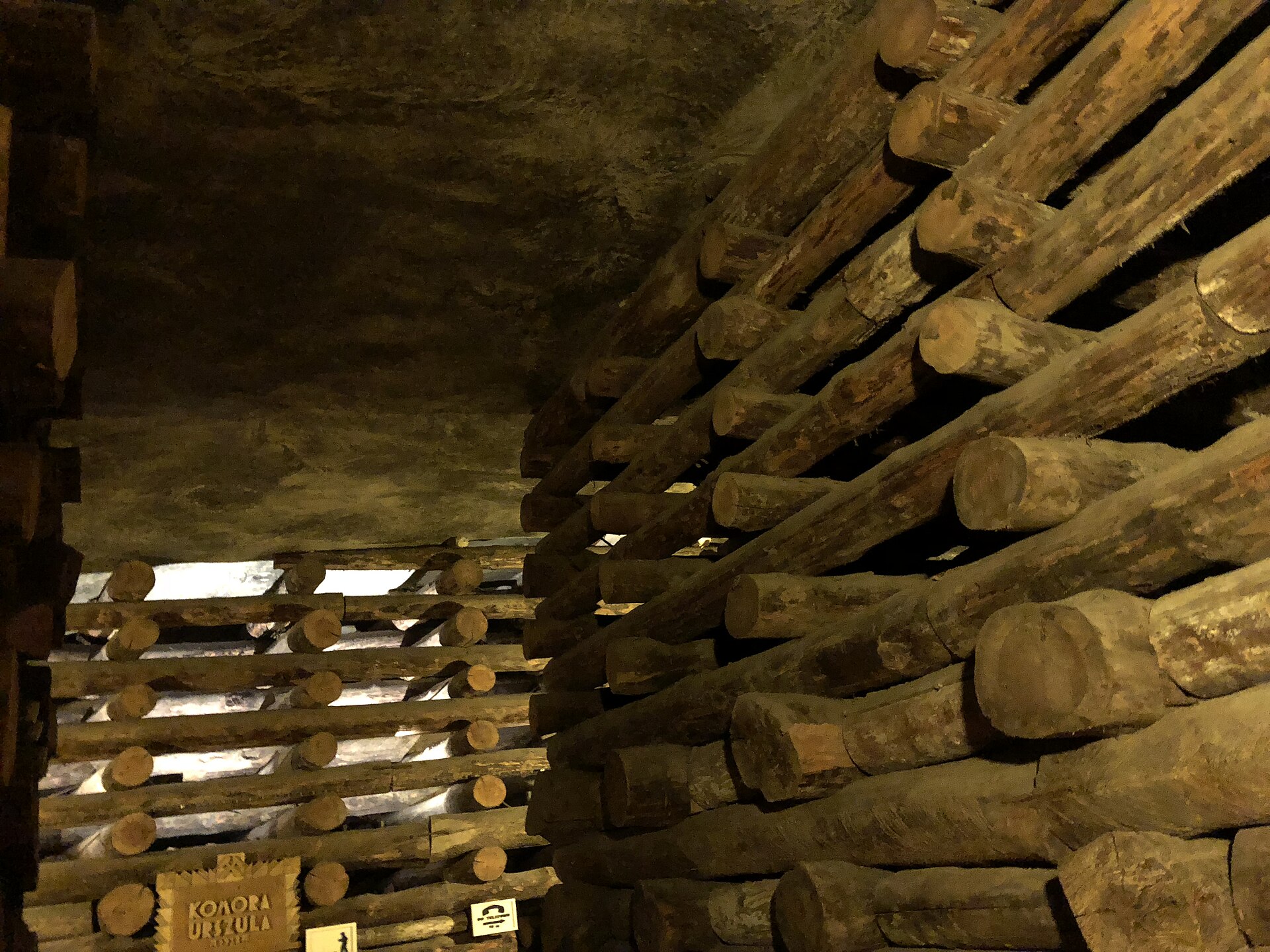
* Photos: St Kinga's Chapel by Андрей Романенко and the Upper Urszula Chamber by Bjoertvedt, both CC BY-SA 4.0, via Wikimedia Commons.
Frequently asked questions
How much does the Wieliczka Salt Mine cost?
The official site lists Tourist Route tickets from 121 PLN per person, with discount, standard and family tickets available. The route is open from 08:00 to 18:00 and involves more than 800 steps.
Is Auschwitz free to visit?
Admission to the Auschwitz-Birkenau Memorial grounds is free, but you must reserve a personalized entry card online at visit.auschwitz.org in advance. Fees apply only if you engage a guide-educator, and groups are required to have one.
How long does an Auschwitz visit take?
The standard guided tour lasts about three and a half hours and covers both Auschwitz I and Auschwitz II-Birkenau. The museum asks visitors to arrive at least 30 minutes early for security checks.
Can I take a bag into Auschwitz?
Only small bags: the maximum size for backpacks or handbags is 35 by 25 by 15 centimetres. Larger luggage should be left in your vehicle at the free car park at 55 Więźniów Oświęcimia Street.