EU Citizens in Poland: Registering Your Stay After Three Months
Short answer: EU, EEA and Swiss citizens staying in Poland over three months must register with the voivode, in person, by the day after the three-month mark. Registration is free and produces a certificate valid ten years; workers show an employment contract, students and inactive persons show insurance and means.
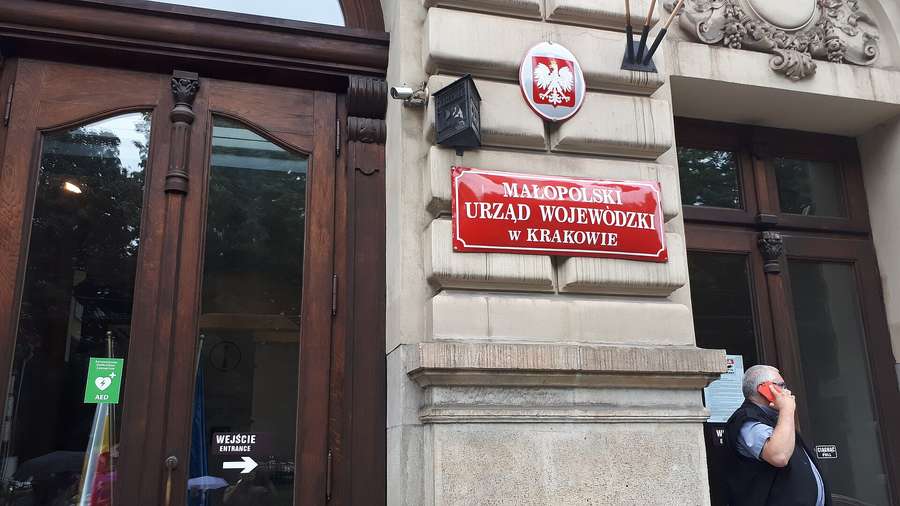
EU, EEA and Swiss citizens can live in Poland without a visa, but the freedom of movement comes with one piece of paperwork many people miss: after three months you must register your stay with the voivode (wojewoda). The procedure is free and ends with a certificate valid for ten years. Here is how it works, as of October 2026.
Who must register, and when
According to the Ministry of the Interior and Administration (MSWiA), the application to register the stay of an EU/EEA/Swiss citizen must be filed in person with the voivode competent for your place of stay no later than the day after three months have passed since you entered Poland. The duty also covers family members who themselves hold EU, EEA or Swiss citizenship.
One group is exempt: EU citizens who came to Poland to look for work. Job seekers may stay without meeting the residence conditions for up to six months, and longer if they can show they are actively seeking work and have a genuine chance of being hired.
Registration is separate from meldunek, the address registration handled by your local gmina office. You need both: meldunek within 30 days of moving into your flat, and voivode registration after three months in the country.
What to bring
The MSWiA page lists the required documents:
- a completed application form;
- four biometric photographs taken within the last six months;
- a valid travel document or other valid document confirming your identity and citizenship, shown in the original;
- documents matching your situation:
- employees - an employment contract, a certificate of work performed, or a written statement from the employer of the intention to employ you; - self-employed - a statement of entry in the National Court Register (KRS) or the Central Registration and Information on Business (CEIDG), or other proof of self-employment in Poland; - students and vocational trainees - a certificate of admission from the school or training provider, proof of health insurance (NFZ/ZUS confirmation, coordination-rules coverage, or a private policy that pays providers directly), and a written declaration or proof of sufficient funds; - economically inactive persons - health insurance as above and proof of sufficient means; funds above the social assistance thresholds for a single person or family count as sufficient.
If anything is missing, the office summons you to complete the file within no less than seven days of receiving the notice, or the application is left unprocessed.
Cost, timing and the certificate
Registration and the certificate are free of charge; the only fee mentioned is 17 zł stamp duty if you file through a proxy. The MSWiA states that registration and issue of the certificate should happen "without undue delay" - in practice, many offices hand it over at the appointment.
You receive a zaświadczenie o zarejestrowaniu pobytu obywatela UE, a certificate of registration valid for ten years. When collecting it you show your valid travel document; a proxy collecting it needs a special authorisation. Personal appearance is required when filing, though the office can waive it in justified cases such as health.
After five years: permanent residence
Registration is not the end of the path. According to the MSWiA's separate page on the permanent residence document, an EU citizen who has lived in Poland uninterrupted for five years (three years in some cases) acquires the right of permanent residence and can apply for a document confirming it. You will need documents proving the uninterrupted five-year stay and explaining any absences. That document is also issued free of charge, without undue delay.
Practical checklist
- Count three months from your entry date and book the voivode appointment before it passes.
- Bring the original of your passport or ID card plus four fresh biometric photos.
- Match your supporting documents to your status: employee, self-employed, student or economically inactive.
- Do not confuse this with meldunek - the gmina address registration is a separate, earlier duty.
- Keep the certificate safe; it is valid ten years and is the standard proof of legal residence for EU citizens.
- After five years of uninterrupted stay, apply for the permanent residence confirmation.
Frequently asked questions
### I work remotely for a foreign company. Which status applies?
The MSWiA list covers employees (with an employer's statement), the self-employed (KRS/CEIDG entry), students and the economically inactive. Remote workers usually register as economically inactive with health insurance and proof of sufficient funds, unless they run a Polish-registered business.
What happens if I register late?
The ministry's page sets the deadline as the day after three months from entry but does not describe penalties; in practice offices process late applications. Register as soon as you can rather than skipping it.
Does the certificate expire if I leave Poland?
The certificate is valid for ten years from issue. The permanent residence right, by contrast, is built on uninterrupted residence, which long absences can break.
Do my non-EU family members use the same procedure?
No. Non-EU family members apply for a residence card of a family member of an EU citizen, a different procedure. This registration covers EU, EEA and Swiss citizens and their family members who hold such citizenship themselves.