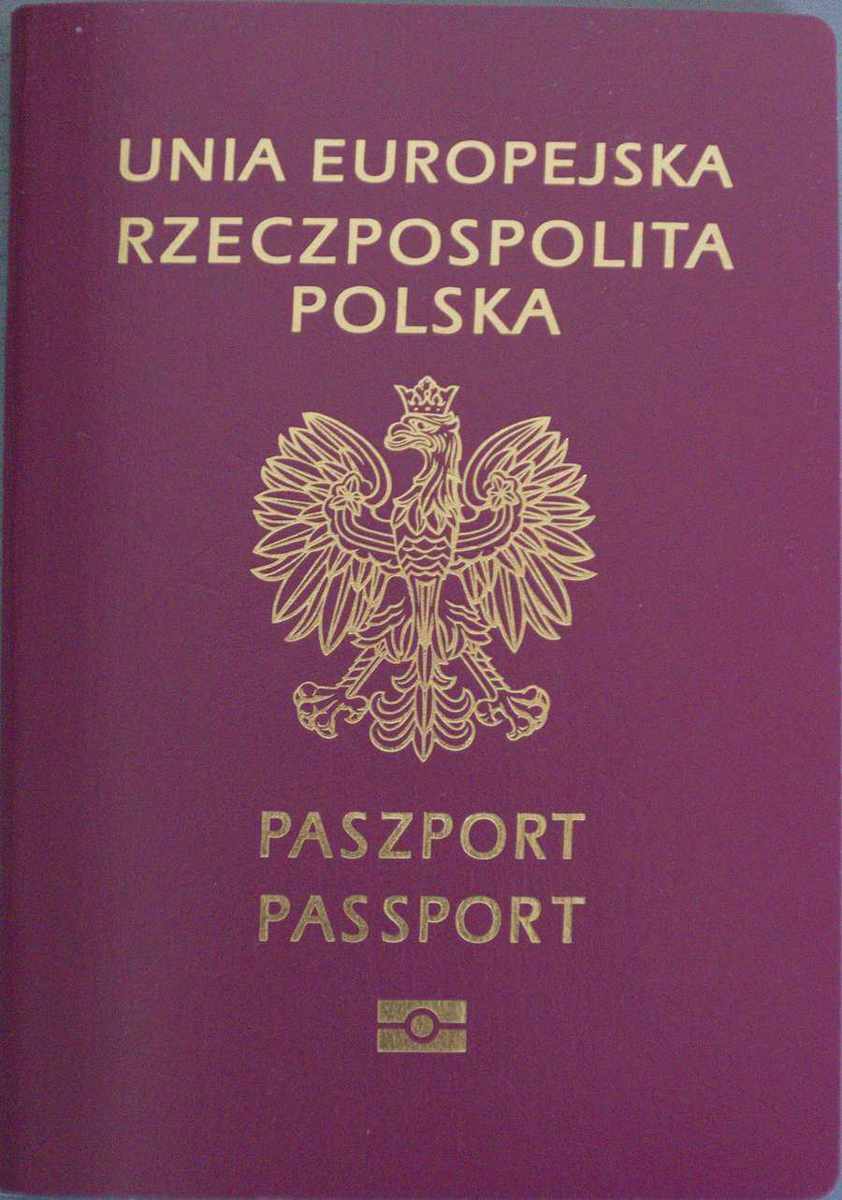
Getting Married in Poland as a Foreigner: Documents and Timeline
Short answer: Foreigners can marry in Poland civilly at a USC or religiously with civil effects; a foreigner must file a birth certificate, a written assurance of no impediments, and usually a certificate of no impediment from home, and by default the ceremony cannot happen sooner than one month after filing.
Two foreigners, or a Pole and a foreigner, can marry in Poland in a civil ceremony at a civil registry office (Urząd Stanu Cywilnego, USC) or in a religious ceremony that also has civil effects. As of October 14, 2026, the rules sit in two laws: the Family and Guardianship Code (Kodeks rodzinny i opiekuńczy, consolidated text Dz.U. 2026 poz. 236) and the Civil Registry Records Act (Prawo o aktach stanu cywilnego, consolidated text Dz.U. 2026 poz. 393). Here is what the process looks like, step by step.
Civil marriage at the USC
A civil marriage is concluded when both people, present together, declare before the head of a USC that they are entering into marriage with each other (Family Code art. 1 §1). You do not need to live in that municipality: in practice couples choose a USC and file there.
The formal starting point is a written assurance (zapewnienie) that no impediments to the marriage exist, filed with the USC head. By default the marriage cannot take place sooner than one month from the date of that assurance (art. 4 §1). For important reasons, the USC head may shorten the wait - and it can be shortened to less than a month, which is what couples on tight travel schedules usually request (art. 4 §2). The USC head can also set a longer date if the couple asks.
If the USC head refuses to accept the assurance, you can ask the regional court (sąd okręgowy) to review the refusal (art. 5).
Documents a foreigner needs
The Civil Registry Records Act art. 79 §1 lists what a foreigner intending to marry must submit:
- The written assurance (zapewnienie) described above.
- A copy of your birth certificate (odpis aktu urodzenia).
- If you were previously married: a copy of the marriage record with an annotation that it ended, was annulled or declared non-existent, or the marriage record plus a document confirming its end or annulment - but only if the other documents do not establish the data needed to draw up the marriage record.
- A certificate that you can legally marry under the applicable law (a certificate of no impediment or equivalent from your home authorities). This is not required if, under Polish private international law, your capacity to marry is assessed under Polish law - for example for people without any citizenship whose habitual residence is in Poland under the private international law rules.
If obtaining that last document runs into obstacles that are genuinely difficult to overcome, a Polish court in non-contentious proceedings can exempt you from submitting it (art. 79 §2). In that proceeding the court itself determines, under the applicable law, whether you can marry. This route exists for countries that simply do not issue such certificates, but expect it to add weeks.
Who can marry and who cannot
Both partners must be adults: marriage requires being 18 (Family Code art. 10 §1), with a narrow exception where a court may permit a woman aged 16 or older to marry for important reasons when the good of the future family supports it. An existing marriage is an absolute impediment (art. 13), and close kinship - direct line relatives, siblings, and adoption relationships - bars marriage as well (art. 14).
The ceremony itself
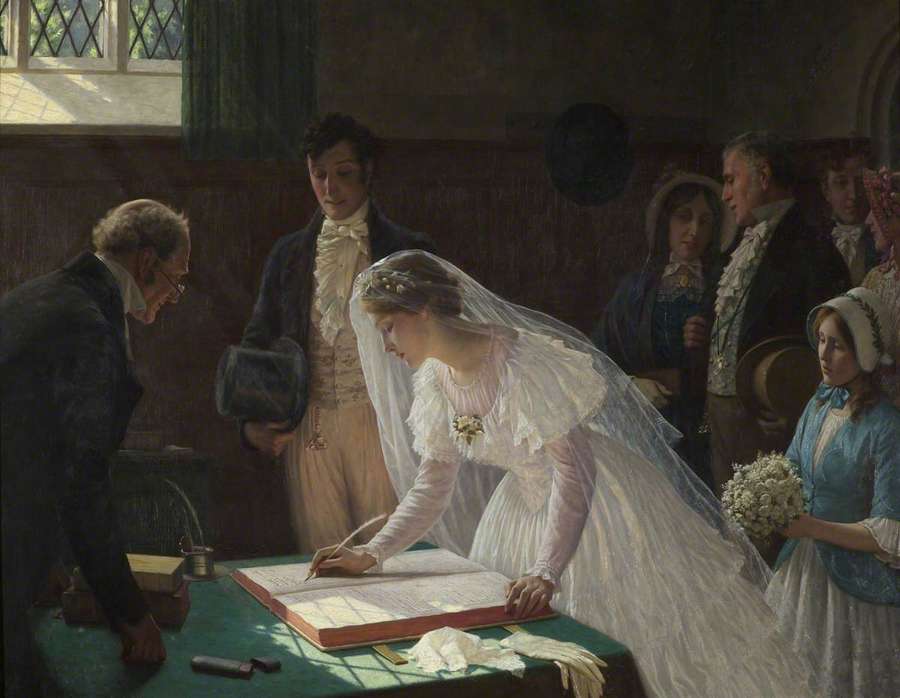
The ceremony has a solemn statutory form. Both of you declare before the USC head that you enter into marriage with each other, in the presence of two adult witnesses, and the declarations are public (art. 7). The USC head wears a chain bearing the Polish eagle, and everyone present stands, except those who cannot for health or age reasons (Civil Registry Records Act art. 85 §2-3).
You can ask to hold the ceremony outside the registry building - at a venue within the USC's registration district - if the place you propose preserves the solemn form and the safety of those present (art. 85 §5). The USC head may refuse in writing if it does not.
At the ceremony you also declare the surnames you will use after the marriage and the surnames of your future children; these go into the marriage record (art. 88 §2).
If one of you does not speak Polish
The marriage record notes the sworn interpreter (tłumacz przysięgły) if one took part in drawing it up (art. 88 §2 pkt 8). In practice this means a partner who does not understand Polish needs a sworn interpreter present for the declarations and the ceremony; the interpreter is recorded in the act itself.
Religious marriage with civil effects
Since 1998 Poland has recognised a second route: a wedding before a cleric of a church or religious association whose internal law the couple is subject to can have civil effects, where an international agreement or Polish law provides for it. The couple declares before the cleric that they are simultaneously entering into marriage under Polish law, and the USC head then draws up the marriage record; the marriage counts as concluded at the moment of the declarations before the cleric (Family Code art. 1 §2-3).
The paperwork for this route:
- The USC head issues a certificate of no impediment (zaświadczenie) based on your written assurance. It is issued in two copies - one for the church, one for the USC - and is valid for 6 months (Civil Registry Records Act art. 81; Family Code art. 4¹).
- The cleric may only conduct the wedding with civil effects after seeing that certificate, and must send the certificate confirming the declarations were made to the USC head within 5 days of the wedding (art. 8 §1-3).
The Catholic Church is the most common case (the 1993 concordat provides for civil effects), but several other churches and religious associations have equivalent arrangements.
Marrying outside Poland
If you plan to marry abroad but your capacity to marry is assessed under Polish law - Polish citizens abroad, and some foreigners - you can get a Polish certificate stating that under Polish law you may marry, from any USC head (or a consul, for Polish citizens). You present an ID, the written assurance and a document confirming your civil status; the certificate is valid for 6 months (Civil Registry Records Act art. 83).
What it costs and how long the record takes
The USC head who accepted your declarations draws up the marriage record (akt małżeństwa) no later than the next working day (art. 86 §1). Standard registry fees apply for copies of the record; check the current fee schedule with your USC when filing.
Frequently asked questions
### How long do we have to wait between filing and the ceremony?
At least one month from the written assurance of no impediments, by default (Family Code art. 4 §1). The USC head may shorten this for important reasons, and may set a later date at your request (art. 4 §2).
My country does not issue certificates of no impediment. Can we still marry?
Yes. A Polish court in non-contentious proceedings can exempt you from that document when obtaining it faces obstacles that are difficult to overcome; the court then determines your capacity to marry itself (Civil Registry Records Act art. 79 §2).
Can a foreigner without Polish language skills get married at a USC?
Yes, but you will need a sworn interpreter present for the declarations and ceremony, and the interpreter's participation is recorded in the marriage record (art. 88 §2 pkt 8).
Can we hold the civil ceremony outside the registry office?
Yes, within the USC's registration district, if your proposed venue keeps the solemn form of the ceremony and the safety of those present. The USC head decides on your written request (art. 85 §5).