Insurance Claim Deadlines in Poland: 30, 14 and 90 Days Explained
Short answer: Polish insurers must normally pay within 30 days of a claim. In complicated motor OC cases, payment is due 14 days after clarification and within 90 days at most.
After a car accident or damage to your home, one question comes up fast: how long can the insurer take to pay? Polish law sets clear deadlines, and they differ between compulsory insurance, such as motor third-party liability (OC), and voluntary insurance, such as autocasco (AC) or home cover. This guide follows a Financial Ombudsman (Rzecznik Finansowy) leaflet dated June 2022, published on its website.
The leaflet relies on the law as it stood in 2022, so check whether anything has changed before you rely on a specific article number.
Compulsory insurance, such as motor OC
The Ombudsman explains the rule from Article 14 of the act on compulsory insurance, the Insurance Guarantee Fund and the Polish Motor Insurers' Bureau:
- The insurer should pay within 30 days of the claim being reported by the injured person.
- If the facts needed to settle liability or the amount cannot be established in 30 days, payment is due 14 days after the day they could have been established with due diligence, and no later than 90 days from the claim.
- The 90-day cap does not apply if liability or the amount depends on ongoing criminal or civil proceedings.
- Within 30 days the insurer must still tell the claimant in writing why it cannot settle in whole or in part, give the expected date of its final position, and pay the undisputed part.
The Ombudsman says the longer period is meant for objectively complicated cases only.
The undisputed amount
You cannot refuse to accept the undisputed part, according to the leaflet, and accepting it does not close the way to further claims. But further claims become hard or impossible if you sign a settlement (ugoda). The Ombudsman suggests stating in writing that the payment does not fully satisfy your claim, best done through a formal complaint.
If the at-fault driver's insurance cannot be confirmed
If the insurer does not establish within the deadline whether the compulsory insurance of the person responsible was valid, it must send the file to the Insurance Guarantee Fund (UFG) and tell the claimant. The leaflet says the same 30-day logic applies to the Fund, counted from receiving the file, and in a dispute between the Fund and an insurer, the insurer pays within 30 days of getting the file and later settles with the Fund.
Voluntary insurance, such as AC and home cover
For voluntary insurance, the Civil Code applies. Under Article 817:
- The insurer must pay within 30 days of receiving notice of the event.
- If the facts cannot be clarified in that time, payment is due within 14 days of when they could have been, but the undisputed part is still due within the 30 days.
- The contract or the general terms can set a shorter deadline in your favour, never a longer one.
The Ombudsman adds that this deadline also matters for limitation periods, because it is the date the claim falls due.
Delay means interest
Once the deadline passes, the insurer is in delay. The leaflet cites Article 481 of the Civil Code: a creditor can demand interest for the delay even without proving a loss. If the delay is the insurer's fault, you may also seek compensation for damage under general rules.

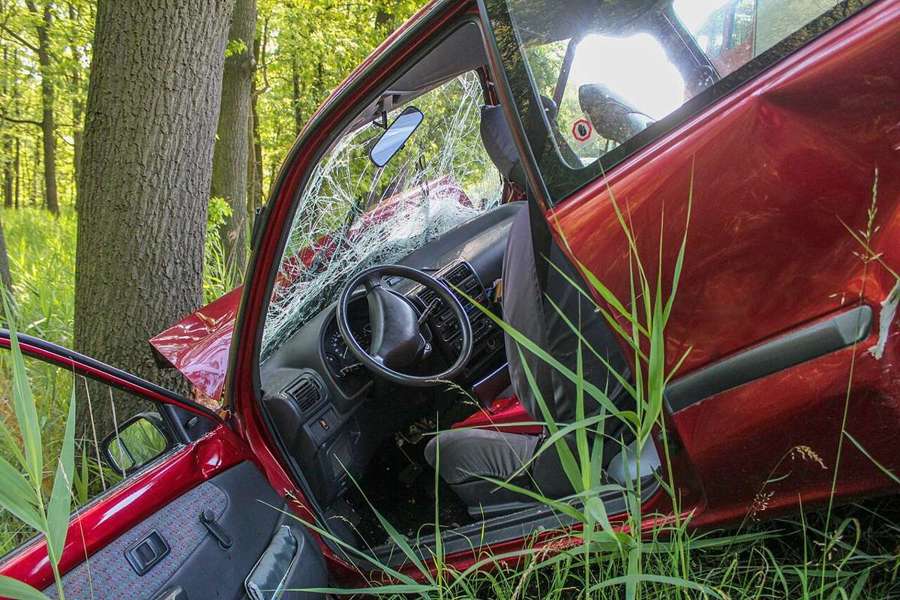
* Photos: Warsaw, Wikimedia Commons, CC0. Illustrative.
Written reasons for a refusal
Under the insurance activity act, an insurer that does not pay within the deadline must tell the claimant in writing why. If it decides that no compensation is due, or less than claimed, it must say so, state the facts and the legal basis, and tell you that you may go to court.
What to do if the insurer is slow or refuses
The leaflet's advice:
1. Start with a complaint to the insurer. 2. Ask the Financial Ombudsman for an intervention procedure, or try an amicable settlement through its mediation. 3. If that fails, go to court. You can also ask the Ombudsman for a legal opinion to support your case, which is not binding on the court.
The Ombudsman runs a phone line on 22 333 73 28 (Monday 9:00 to 17:00, Tuesday to Friday 9:00 to 14:00 per the leaflet) and an email address, [email protected], for advice on motor and other insurance. Check the website for current hours.
What the leaflet does not cover
It does not discuss foreigners, claims by non-residents, or accidents abroad. It gives deadlines only, not amounts of compensation.
Frequently asked questions
How long does an insurer have to pay after a car accident in Poland?
For compulsory motor OC, 30 days from the claim being reported, extendable in complicated cases to 14 days after the facts become clear, and no later than 90 days, according to the Ombudsman.
Is the deadline the same for autocasco?
The Civil Code sets the same 30-day base period for voluntary insurance, with 14 days after clarification. A contract can shorten it but not extend it.
Can I accept a partial payment?
Yes. The Ombudsman says the undisputed amount must be paid within 30 days and accepting it does not end your claim, unless you sign a settlement.
Do I get interest if the insurer is late?
The Ombudsman cites Article 481 of the Civil Code, which allows interest for delay even without proof of loss.