Kielce Toy Museum: Tickets, Winter Hours and a Family Visit
The essentials: Kielce's Museum of Toys and Play is at plac Wolności 2. The Polish tariff lists 25 zł regular, 15 zł reduced and 66 zł for two adults and two children. Its winter section lists Tuesday to Sunday 08:00-16:00, but other pages differ, so confirm your date and any free window.
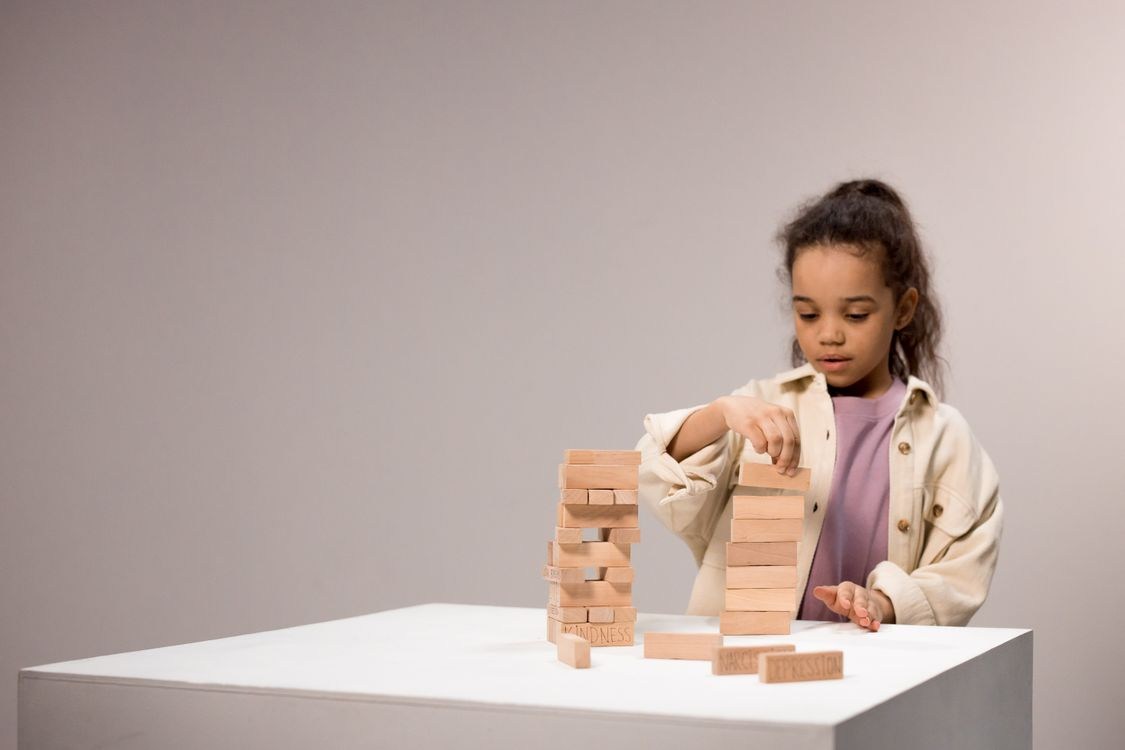
Cover: a child stacks wooden blocks, an illustrative play scene rather than a visitor at the Kielce museum. Photo: Ron Lach / Pexels.
Kielce's Museum of Toys and Play, Muzeum Zabawek i Zabawy, is a useful indoor stop for families who want more than a room of things to photograph. Its permanent-exhibition list brings together historical toys, Polish animation characters, model-making and an account of childhood in communist-era Poland. For a family newly living in Poland, that mix can turn unfamiliar names and objects into a conversation across generations.
It is not simply an indoor playground, and the museum's own website needs careful reading before you travel. The dedicated Polish hours-and-tickets page lists a winter timetable and higher prices than the English page. General pages and footers also display a different opening time. This guide explains those differences rather than quietly combining them into a schedule that the museum has not published.
Where it is, and what sort of visit to expect
The museum is at plac Wolności 2, 25-367 Kielce. Its English introduction describes a historic nineteenth-century former market building, with collections ranging from historical and folk toys to dolls, models and theatrical figures. That is a helpful way to frame the visit: the objects are part of a history of play, design and everyday life, rather than a shop display of today's most popular toys.
Expect different levels of interest within the same family. A child may recognise a shape, animal or vehicle before understanding its history. An adult may be more interested in how toys were made, sold or remembered. You do not need to know every Polish cartoon beforehand to enjoy looking together. Pick a few themes rather than making the visit a test of who can read the most labels.
The English introduction says the museum includes interactive elements and a play area. That does not mean every object can be handled. Treat display cases and historical objects as museum exhibits, and use only the activities clearly offered for touching or play. If you are unsure, ask staff before a child reaches into a display or tries to operate a model.
The winter-hours conflict to check before leaving
The dedicated Polish hours-and-tickets page lists the winter period as 2 November to 31 March, with opening from 08:00 to 16:00, Tuesday to Sunday, and Monday closed. For that winter period it lists free admission on Saturday and Sunday from 08:00 to 10:00.
However, the visitor landing page and several site footers say Tuesday to Sunday, 09:00 to 17:00. A dated notice from 1 April 2026 announces 09:00 to 17:00 and a weekend free-entry window of 09:00 to 11:00. Those times match the summer section of the dedicated timetable. The English page also gives 09:00 to 17:00, alongside older-looking ticket prices.
For a late-November plan, the winter-specific section is the most directly relevant published timetable, but the site's conflicting general text means you should confirm before arranging an early arrival or relying on a free-entry window. The museum lists 690 559 979 and 41 343 37 06 for reservations and information. Ask for the hours on your exact date and the current free-admission conditions.
Do not turn the two versions into a new promise such as “open 08:00 to 17:00.” Neither page says that. Also check special notices around holidays or events. A recurring weekly schedule is not proof that every date has the same access, and a free-admission period is not automatically a free workshop booking.
Tickets: use the dedicated Polish tariff, not the English price
The Polish ticket page lists 25 zł for a regular ticket, 15 zł reduced, and 66 zł for a family ticket covering two adults and two children. It also lists admission with educational activities at 25 zł, while warning that special workshops may cost more because of materials and duration. Do not assume every programme is included in an ordinary exhibition ticket.
The English page gives 22 zł regular and 11 zł reduced. These conflict with the dedicated Polish tariff. Budget using the Polish ticket page and confirm the current price when checking your visit. This is especially important if someone has saved an older English screenshot or is comparing the museum with a third-party attraction listing.
The reduced-ticket section names categories including school pupils, students, doctoral students, teachers, pensioners and people with disabilities and their carers. Bring the evidence relevant to the category and ask whether your document is accepted. A foreign document or a child's age should not be turned into a guaranteed discount without checking the museum's rules.
The page also describes Large Family Card and local Kielce card concessions. They have different conditions, so the word “family” on a pass is not enough to establish the price. If your group is not exactly two adults and two children, ask which ticket combination applies rather than assuming the 66 zł family ticket covers every household arrangement.

Choose a few permanent-exhibition themes
Miasto zabawek, the City of Toys, asks what children played with in the eighteenth, nineteenth and early twentieth centuries, where toys were bought and who produced them. That makes it a good starting point for a mixed-age family. Ask what looks handmade, what resembles a modern toy and what might have been difficult to make or repair.
Bohaterowie polskich animacji focuses on characters from Polish children's animation, including Miś Uszatek and Colargol. For newcomers, this can be an introduction to references that Polish friends or grandparents may already know. You do not need to watch a complete series before visiting. Recognising a character and learning its name can be enough to begin a conversation.
Świat modeli, the World of Models, lists ships, aircraft and other models, including medal-winning work. This is a different kind of play history: patience, scale and making things matter as much as pretending. It may be the section that interests a child who is less drawn to dolls or a parent who enjoys construction and engineering.
The permanent-exhibition list also includes Zabawajki, with work in toy-making, painting, sculpture and paper cutting. Together, the themes give you options. If one section does not hold a child's attention, you can change the question rather than insisting that every room deserves equal time.
What “Zatkało kakao?” adds
The museum describes Zatkało kakao? as a conversation between grandparents, parents and children about childhood in the Polish People's Republic, often shortened to PRL. Its exhibition text uses fictional children, Jurek and Tereska, to introduce everyday life, school, home, toys and favourite sweets. Adult visitors are also offered material about toy design and production.
The detailed exhibition page describes toys, books, magazines, photographs and archival material, along with activities connected to older games and domestic life. Read it as the museum's description of the exhibition, not a guarantee that every individual activity or object will be accessible on the day. Ask staff about anything that particularly matters to your child.
For an expat family, this section is useful because it connects toys to living conditions rather than presenting nostalgia without context. You can ask how children found entertainment when a particular product was hard to obtain, what people made themselves, and which games needed little equipment. Keep the conversation open: one family's memory is not the whole history of the period.
English support and workshops need a separate question
The museum's English introduction says it does not offer guided tours in English, although simple translation is available. Because that same page has conflicting prices and hours, do not rely on it as a guaranteed current language-service booking. Contact the museum if English support is important, and ask exactly what is available for your date and group.
The Polish ticket page asks groups of more than 15 people to make a reservation. It says extra individual activities are organised on selected weekends, during holidays and during school breaks, with current offers in the news section. That is different from saying a workshop runs whenever the building is open. Check the age suitability, language, duration, booking requirement and total price for the particular activity.
A self-guided family visit can still work without a translated tour if you enjoy looking closely and discussing objects. But a child who needs a structured English session may have a different experience. Establish that difference before paying or promising a specific activity.
Access, quiet and practical family planning
The museum's accessibility declaration, reviewed on 31 March 2026, describes a ground-level entrance, manually opened doors and exhibition space on the ground floor. It also describes a vertical platform for wheelchair users to reach the upper floor, where offices, a library and a room used for educational activities are located. Ask about the route for your chosen workshop, not only entry to the main exhibition.
The declaration says assistance and guide dogs are allowed with the relevant certificate and vaccination evidence. It also identifies limitations, including no Braille or enlarged-print orientation markings, no audio-description devices for loan and no induction loops. These details matter more than a broad “accessible” label. Contact staff about the support or equipment you need before travelling.
As a planning choice, keep the museum as one clear indoor stop rather than crowding it between several timed bookings. Give children a chance to choose a favourite object or character, then stop before interest turns into exhaustion. Confirm the current timetable and tariff, distinguish a display from a hands-on activity, and book any special language or workshop support separately. Those checks make this a much easier first visit.
Frequently asked questions
What does the family ticket cover?
The dedicated Polish tariff lists 66 zł for two adults and two children. Ask about other group compositions.
Why should I confirm the hours?
The winter-specific timetable lists 08:00-16:00, while general pages show 09:00-17:00. Confirm the exact date and free-entry conditions.
Are English tours guaranteed?
No. The English introduction says no English guided tours, with simple translation available, but it also has conflicting prices and hours. Ask for current support.