Medical Transport in Poland: When the NFZ Pays for Transport Sanitarny
Short answer: Medical transport (transport sanitarny) needs an NFZ doctor's order. It is free for urgent transfers or movement disorders, 40% covered in listed illnesses, and paid otherwise.
Medical transport is one of the least known benefits of the Polish public health system. If you or a relative cannot get to a hospital or clinic safely, the National Health Fund (NFZ) can cover a ride with medical care on board, but only in defined situations and only with a doctor's order. This guide follows the Patient Ombudsman (Rzecznik Praw Pacjenta) article "Transport sanitarny - kiedy i na jakich zasadach możesz z niego skorzystać?" published on gov.pl on 12 September 2025, read again on 18 October 2026. The article describes the rules for patients treated under the NFZ system. It does not discuss foreigners separately, so the details of how this applies to someone with a different insurance status should be checked with the clinic. The Patient Information Line, 800 190 590, is free and the page says it answers around the clock, 7 days a week.
What it is, and what it is not
According to the Ombudsman, sanitary transport (transport sanitarny) is taking a patient to a medical facility such as a hospital or clinic, or from a facility back home, with the care of medical staff during the trip: a doctor, nurse, midwife or paramedic. It is not the same as an emergency ambulance. The emergency medical team is called only when there is a direct threat to health or life and is not used for planned transport.
You need a doctor's order
To use it you need an order from a doctor who provides services under the NFZ, for example in primary care (POZ) or in outpatient specialist care (AOS). The doctor decides if you qualify. The Ombudsman says free transport applies if the doctor orders it so that you can:
- start immediate treatment at a medical facility, for example when a doctor decides during a home visit that you must be sent to hospital, in which case you are taken to the nearest facility that provides that kind of service,
- continue treatment already begun, for example a transfer between two hospitals for tests or further treatment,
- travel to the nearest suitable facility and back if you have a movement disorder that prevents you from using public transport.
Free, 40% covered, or paid
The Ombudsman lists three levels:
- Free: for example when a doctor finds an immediate transfer to another facility necessary to continue treatment, or when a patient with a movement disorder cannot use public transport to get home.
- Partly paid (the NFZ covers 40% of the cost): when the patient can move without constant help from another person, but needs someone's help or adapted public transport and has one of the illnesses listed in the Minister of Health regulations. The article names, among others, diseases of the blood, cancers, mental illnesses and diseases of the nervous, respiratory, digestive and circulatory systems, injuries and poisonings.
- Paid: in all other cases.
Who organises it
The facility that treats you provides the transport. You arrange the details with it. In primary care, transport covers, among other things, travel from home to inpatient or day treatment, to a first visit at a specialist clinic or dental treatment and back, to medical procedures tied to your treatment, and to a long-term care facility. If you are treated at a facility other than POZ, that facility must organise the transport. A specialist clinic must provide it for later visits if the indications remain. A hospital is responsible when you must be moved to another facility or for a test, and when you are discharged home, including from the emergency department, if you have a movement disorder and cannot move on your own.
Long-distance transport
The Ombudsman describes "far" transport in primary care as a ride over 120 km there and back combined, or a return after treatment in a hospital abroad. The primary care doctor assesses the case, but the NFZ decides. If you needed hospital help abroad for unforeseen reasons and your condition is stable but you cannot get home on your own, you are taken from the Polish border to your home. If you still need treatment, you are taken from the border to the nearest facility that can continue it. In Poland, long-distance transport applies when you must use a specific specialist clinic more than 120 km away (there and back) and your general state of health does not allow you to get there alone.
Quick checklist
1. Ask your doctor about a transport order before your visit or discharge. 2. Check with the treating facility how it organises the ride and which category you fall into. 3. For a planned trip, do not call an emergency ambulance. 4. If you are refused or unsure, call 800 190 590.
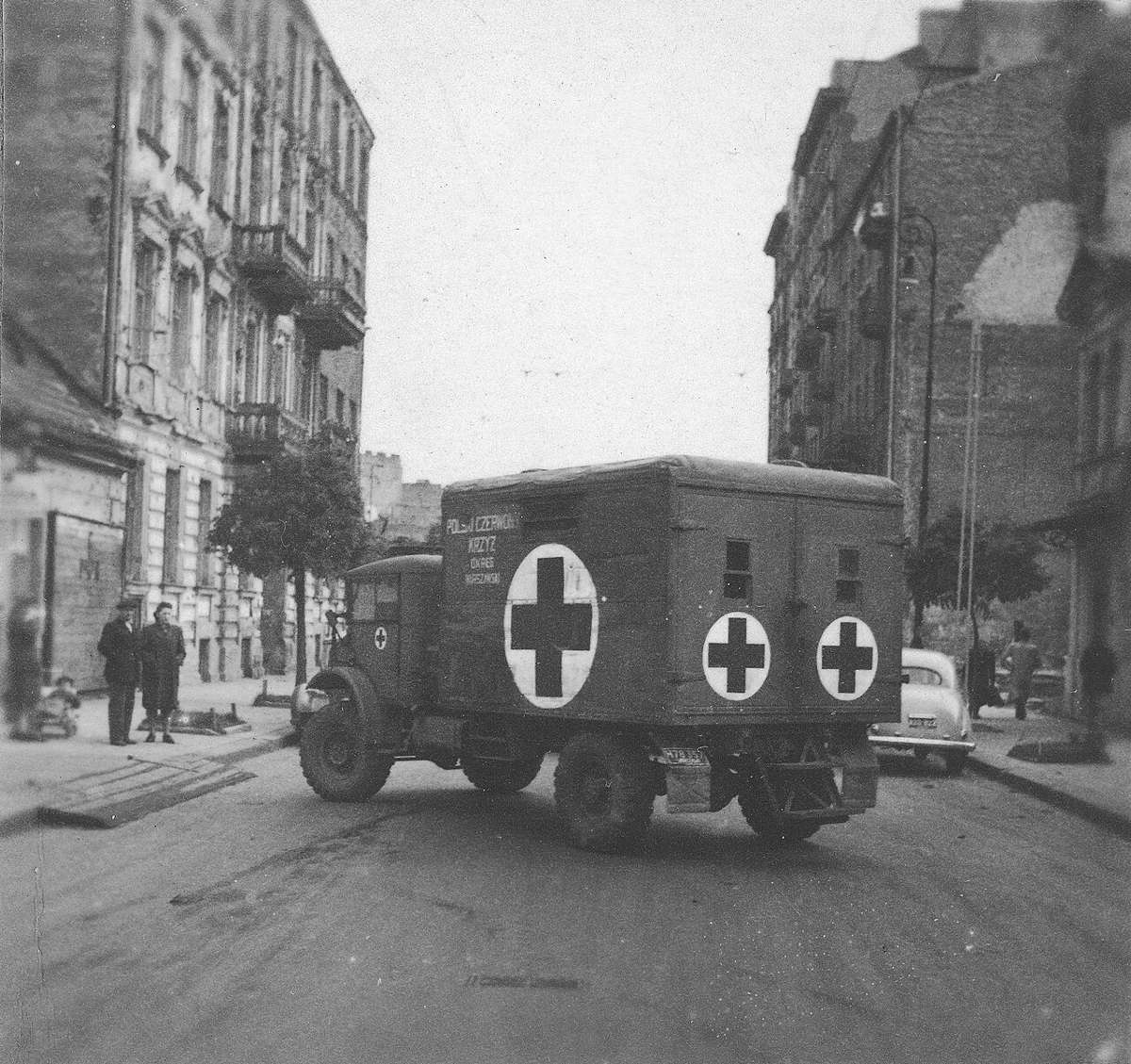
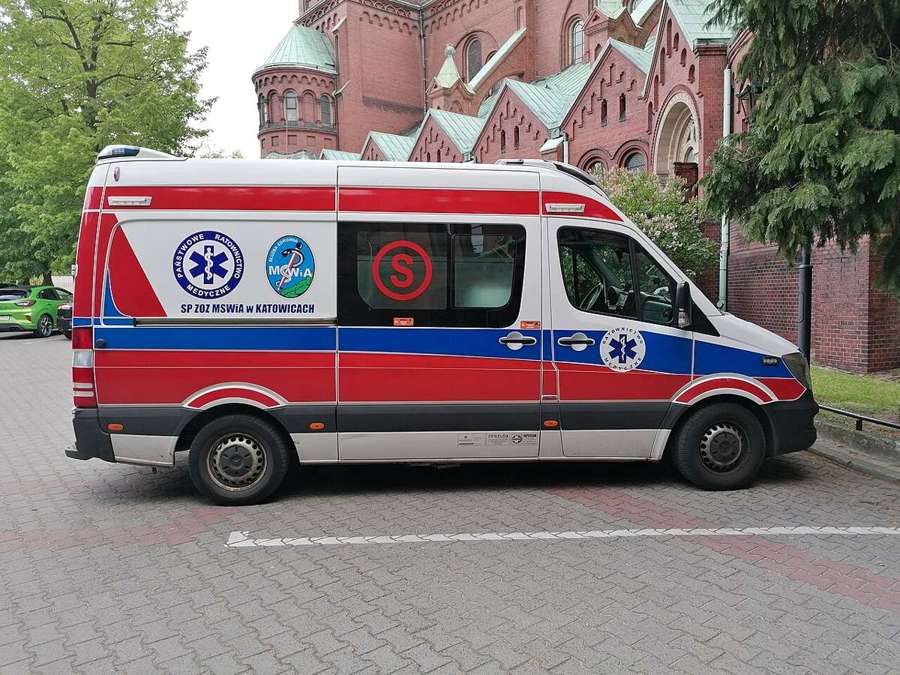
* Photos: ambulance in Katowice (CC0) and a Polish ambulance (public domain), Wikimedia Commons. Illustrative.
Frequently asked questions
Can I order a sanitary transport myself in Poland?
No. The Patient Ombudsman says you need an order from a doctor who works under the NFZ, and the doctor decides whether you qualify. The treating facility then organises the ride.
Is sanitary transport free?
Sometimes. It is free in situations such as an immediate transfer to continue treatment, 40% is covered by the NFZ in some illness cases where you need assistance, and in other cases you pay.