PKP Intercity Ticket Sale: Buy by 1 December, Travel in 2026
The essentials: PKP Intercity has added 2.5 million tickets at least 35% cheaper, sold 25 November to 1 December 2026 for travel through year-end. Stock is limited. Check the final fare and ticket conditions.
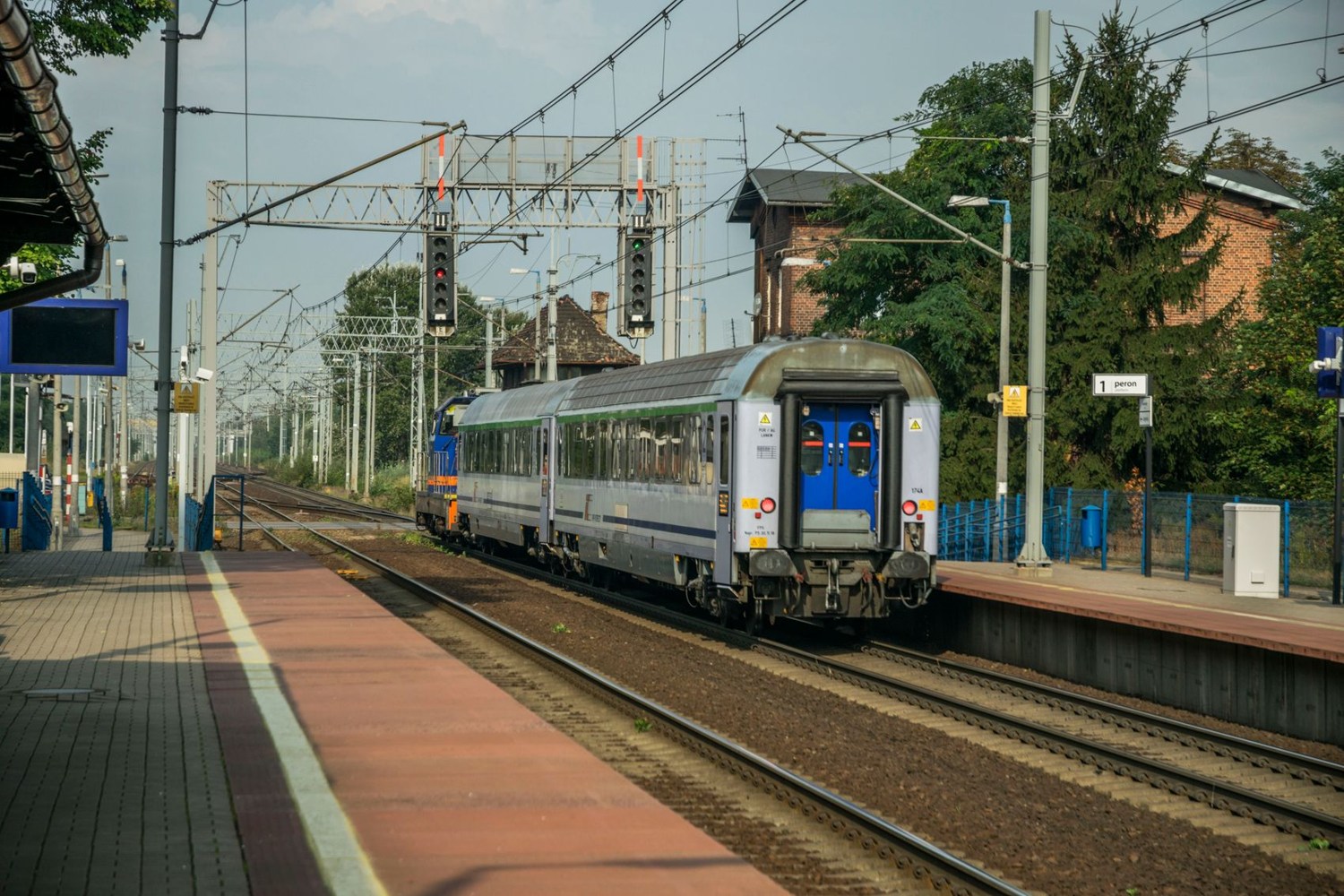
Buy by 1 December, travel before the year ends
PKP Intercity has added 2.5 million promotional tickets for Railway Workers' Day. Its announcement, updated on 26 November 2026, says the extra tickets are at least 35% cheaper, can be bought from 25 November to 1 December and cover journeys through the end of 2026. For residents arranging a December weekend, a family visit or a Christmas trip within Poland, this is a useful reason to compare departures now.
It is not a promise that every seat on every train is reduced by 35%. The operator is increasing promotional ticket allocations across its connections, including Pendolino services. Availability still depends on the train, date, class and fare level offered when you buy. Treat the headline as an invitation to search, not a voucher to subtract from any fare you see.
This guide separates the campaign announcement from the ordinary Promo and online-sales rules. It does not quote live route prices or claim to have checked a particular train's remaining seats. The price and conditions shown for your chosen journey remain the decision point.
The dates mean different things
- Purchase window: 25 November to 1 December 2026.
- Journey window: travel through the end of 2026, not January 2027.
- Channels named in the announcement: station ticket offices, the PKP Intercity mobile app and the carrier's website.
- Inventory: an additional allocation of 2.5 million promotional tickets, not unlimited discounted seats.
Do not confuse the sales deadline with your departure date. A ticket bought during the window can be for a later eligible journey, subject to that train being open for sale. Conversely, the announcement does not promise that promotional stock will remain until 1 December. Nor does it specify a closing hour in the text we checked. Avoid leaving payment until the final minutes or assuming a foreign timezone determines the cutoff.
If a late-December train is not available to buy, that is not by itself evidence that its discounted seats have sold out. Advance-sale periods and timetable changes can affect when a service opens. The current online-sales rules expressly allow a shorter opening period in exceptional circumstances such as timetable changes. Check the operator's own result rather than substituting another date without noticing.
What the ordinary Promo rules actually cover
The Promo conditions effective from 13 November 2026 cover domestic, single journeys without a change of train, in seated accommodation in first or second class on TLK, IC, EIC and EIP trains. Anyone can buy a normal-fare Promo ticket. An eligible reduced fare requires the relevant entitlement and evidence. These are the ordinary fare conditions, not proof that a particular ticket belongs to the extra Railway Workers' Day allocation.
The distinction matters when planning a connection or an overnight trip. Do not infer that one discounted domestic leg discounts an entire multi-train itinerary, an international journey, a sleeper or a couchette. Check each ticket's named offer. Super Promo International is a different product with different conditions. The campaign announcement is too short to support a blanket claim that every international fare or accommodation type receives this discount.
Promo has nine price levels. The rules say allocations at each level are limited and the carrier can offer all levels, some levels or none for a departure. The published percentage levels include 7%, 14%, 21%, 28%, 35%, 42% and 56% below the base price, with separate tables for the other levels. The base price is the maximum single-journey price for the route, class and train category before discounts or special offers. A 35% headline should not be read as an extra reduction from an already-discounted search result.
Compare the final amount, not the largest percentage
Search the actual station pair, date and passenger mix. Compare nearby departure times if your plans allow it, and look at the train category as well as the fare. A slower train can still be the better purchase if its arrival time works; a nominally larger discount on a different category does not automatically make it cheaper in złoty.
The current e-IC rules add an important warning: prices on the e-IC 2.0 and app results list are indicative. Limited offer allocations, changing seat availability and cached search results can mean the amount changes before purchase. The final price appears before you approve the purchase and pay. Recheck the amount there, especially when buying for several people.
Check both directions before committing to a return visit. A cheap outward ticket does not guarantee a similarly priced return, and the two journeys may use different offer levels. Include any separate travel you need to reach the station in your own budget. This campaign announcement is not a promise of an integrated city-transport ticket.
Reduced fares need the right documents
The Promo rules allow further reductions for specified statutory discount rates, including 37%, 51%, 78%, 95% and 100%, where the traveller actually qualifies. That is not permission to select a student or other reduced fare simply because you hold a similar card from another country. Eligibility and the accepted evidence must match the Polish entitlement you choose.
During inspection you must show the ticket and, when claiming a reduction, the document confirming your entitlement. The Promo rules require payment of the difference if you cannot show the evidence for the reduced fare. Before paying, check the passenger name, discount type and document you will carry. A normal promotional fare can be the safer choice when you cannot establish entitlement to a statutory reduction.
For a family or group, review each passenger rather than copying one person's discount to everyone. Also check that the seats you accept fit your needs. A low fare is less useful if you overlook the specific departure, class or ticket details that make the journey workable.
Changes can cost more even when a fare is flexible
Under the Promo rules, changes such as date, time, train category, class, accommodation category or discount require exchanging the ticket. Another Promo ticket must be available to keep using that offer. If it is not, the replacement is issued outside the offer. Do not budget on retaining the original discount when changing to a busy departure later.
The current e-IC conditions, effective from 24 September 2026, distinguish direct sales from agent sales. For ordinary domestic tickets within their scope, exchanges through e-IC, e-IC 2.0 or the PKP Intercity app must be completed before the scheduled departure from the boarding station on the ticket. Agent exchanges have a five-minute-before-departure cutoff. Special ticket types have exceptions, so check your own document and channel.
Some older FAQ wording still gives a five-minute limit more broadly. Use the current conditions for your channel, but act early rather than testing the last possible second. A page being open, a replacement being searched or a payment being started does not mean an exchange has finished. Save the replacement ticket and check its details.
A voluntary refund is not necessarily free
For ordinary domestic monetary refunds within the current e-IC rules, the carrier deducts 15%. The operator's newer self-service guide describes an 85% refund for domestic single tickets. This is a voluntary cancellation rule, not a statement about separate passenger rights when the operator cancels a train or the journey is disrupted.
A wholly unused ordinary domestic ticket can be returned through the relevant direct online channel before scheduled departure, subject to the rules' exceptions. The operative rules retain a five-minute limit for an agent-issued document returned through the agent, even though a short self-service help page uses broader wording. Do not assume every seller has the same deadline. Start with the channel where you bought the ticket and read its current instructions.
If you already have a ticket and see a cheaper one, compare the saving with the cancellation deduction before cancelling. Also check replacement availability and the exchange process. Cancelling first can leave you without the original seat while the cheaper allocation disappears. This article does not recommend speculative purchases or promise that a refund reaches your bank immediately.
A short checkout check
Before paying, confirm the precise departure and arrival stations, travel date, scheduled time, train number, class, passenger details, reduction and final total. Check the offer name rather than assuming every low price has the same exchange conditions. If you need a connection, assess the whole itinerary, not only the attractive leg.
After purchase, save the actual ticket and make sure you can display it for inspection. Keep the confirmation accessible and carry the documents required by the fare. An illustrative train photograph, an old timetable screenshot or a search result is not your ticket.
The useful takeaway is straightforward: compare eligible December journeys during the sales window, judge the final price and buy only when the itinerary works. The extra allocation creates an opportunity, not a guarantee. For wider rail basics, use our train guide; for a disrupted journey, use the separate delay-compensation guide rather than applying voluntary cancellation terms to a different problem.
Frequently asked questions
Is every PKP Intercity seat 35% cheaper?
No. The announcement adds 2.5 million promotional tickets. Fare levels and remaining allocations vary; compare the final amount for your train.
Can I travel in January 2027?
The announced campaign covers journeys through the end of 2026, not January 2027.
Are Promo tickets non-refundable?
The ordinary domestic Promo rules use standard single-ticket exchange and refund conditions. The current e-IC rules normally deduct 15% for a voluntary monetary refund. Different products and channels can have different conditions.
Sources
- PKP Intercity campaign announcement updated26November2026
- Actual Promo rules effective13November2026
- Current e-IC rules index
- Actual e-IC operative rules effective24September2026
- October self-service cancellation guidance
- Older FAQ checked against current operative rules
- Independent railway trade coverage of campaign