Autumn in Poland: Golden Leaves, Mushroom Picking and All Saints' Day
Short answer: Autumn in Poland centres on three rituals: the golden October foliage (złota jesień), family mushroom picking (grzybobranie) that feeds bigos and pierogi, and All Saints' Day on 1 November, a public holiday when cemeteries fill with candles.
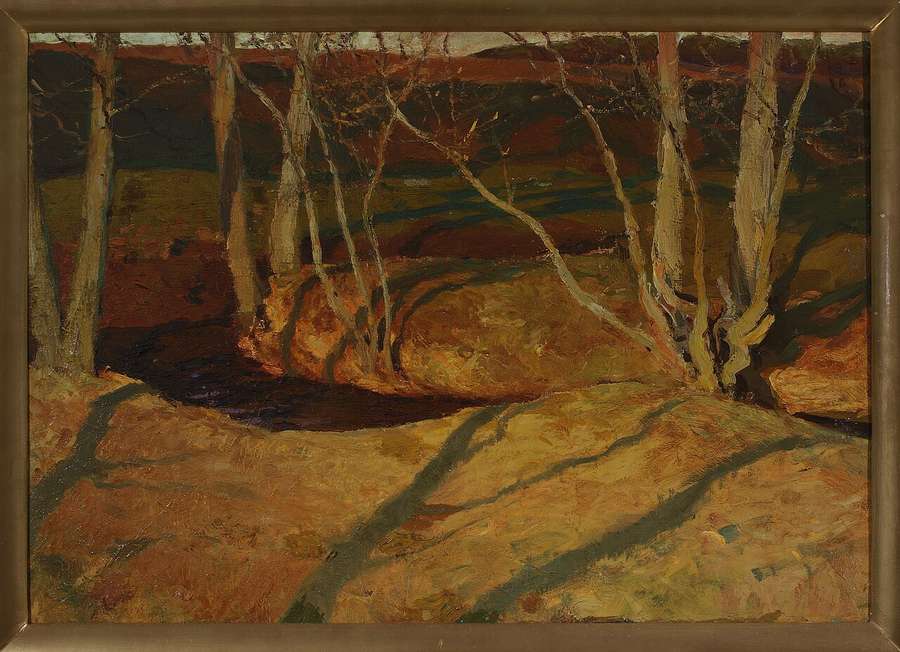
Poland in autumn is a different country from the one summer visitors see. The crowds thin out, the forests turn gold and red, and a set of seasonal rituals takes over everyday life: mushroom picking, hearty cooking and the candle-lit cemeteries of All Saints' Day. For expats, October and early November are the best weeks of the year to understand Polish culture from the inside. Here is what to look for, with the facts behind each tradition.
Złota jesień: the golden autumn
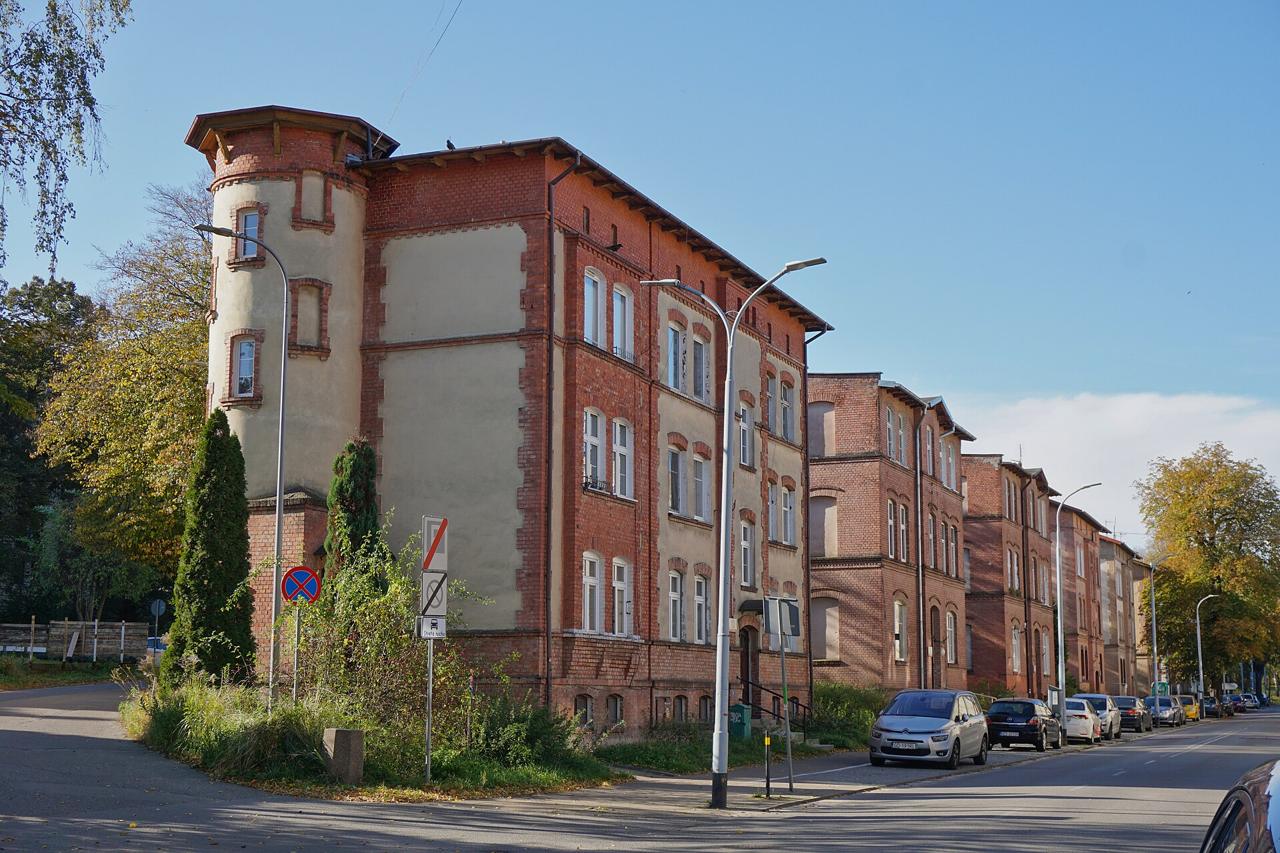
Poles have a name for the peak of the season: złota polska jesień, the golden Polish autumn. Through October, deciduous forests across the country turn yellow, orange and red, and the national tourism organisation actively promotes autumn travel for exactly this reason. Its recommendations include the Bieszczady Mountains, where the beech forests and brownish mountain meadows peak in October, the Roztocze region with its mixed forests, and the Baltic coast, which is empty and atmospheric once the season ends. The practical upside for residents: lower prices and fewer tourists than in summer, with weather that is often still mild.
Grzybobranie: mushroom picking as a national sport
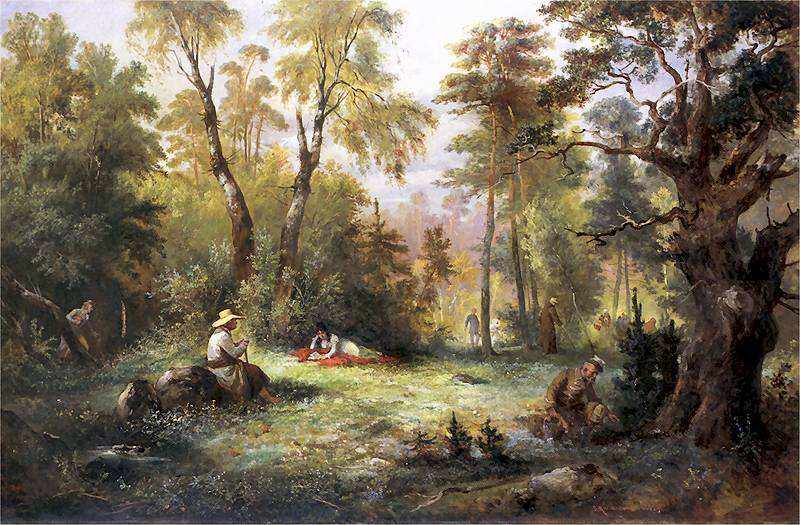
Few Polish traditions surprise foreigners as much as mushroom picking. According to the Polish Tourism Organisation, it is a deeply rooted, family affair: from September onwards, parents, grandparents and children head into the forests with baskets and small knives, returning with bay boletes, parasol mushrooms and birch boletes, the most commonly picked edible varieties.
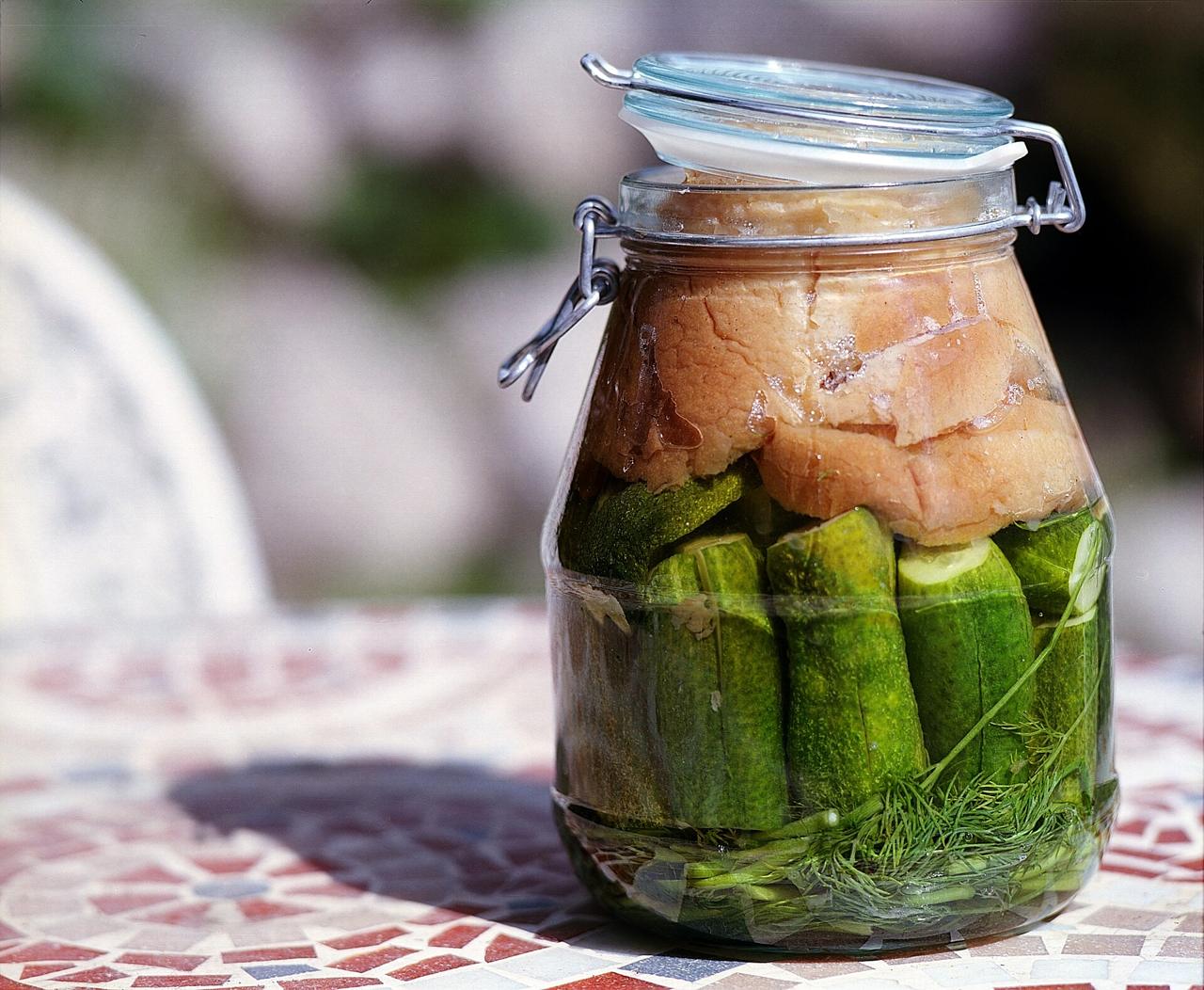
The harvest does not end at the basket. Families clean and sort the mushrooms the same day, drying many of them for winter use, and the pickings feed straight into Poland's most iconic dishes: bigos, the hunter's stew of cabbage, meat and mushrooms; creamy mushroom soup; and pierogi filled with mushroom and sauerkraut, a staple of the holiday table. The Tuchola Forest, the country's second-largest forest complex, is the classic destination: the tourism organisation notes that around one in ten of the mushrooms growing there is edible.
One safety note matters more than any other: pick only what you can identify with certainty. Polish pickers are traditionally conservative, keeping only species they know well, and visitors should do the same or go with someone experienced.
Soup season: how the food changes
Autumn rewires the Polish kitchen. Light summer dishes give way to the heavy hitters: bigos, barszcz (beetroot soup), żurek (sour rye soup) and placki ziemniaczane, crispy potato pancakes that anchor the menus of the country's beloved bar mleczny canteens. Apples are everywhere and cheap, baked into szarlotka and stewed into compote. For an expat, this is the season when eating like a local costs the least and tastes the best.
All Saints' Day: a cemetery full of candles
The emotional peak of the Polish autumn is 1 November, All Saints' Day (Wszystkich Świętych), a statutory public holiday when almost everything closes. Families travel across the country to visit the graves of their relatives, clean the headstones and light znicze, the distinctive grave candles sold everywhere in the days before.
The result is one of Europe's most striking sights: after dark, Polish cemeteries glow with tens of thousands of flames. The atmosphere surprises most foreigners. It is not mournful but communal and calm, with whole families walking between the graves, florists and candle sellers outside every cemetery gate, and public transport running special cemetery routes in the big cities. If you experience one Polish tradition in your first autumn, make it an evening walk through a cemetery on 1 November.
Practical notes for expats
A few things worth planning around. On 1 November shops and most services close, so do your shopping beforehand. The days around the holiday bring heavy traffic near cemeteries and on intercity routes, as millions of people travel to family graves. And if you want to try mushroom picking, go with someone who knows the local species; the forest belongs to everyone, but the knowledge does not come in the welcome pack.
Frequently asked questions
### What is the golden Polish autumn?
Złota polska jesień is the Polish name for the peak foliage weeks of October, when the country's deciduous forests turn gold and red. The Polish Tourism Organisation promotes autumn as a prime season to visit, with colourful landscapes, fewer tourists and mild weather.
Is mushroom picking in Poland open to foreigners?
Yes. Mushroom picking in state forests is open to everyone and no permit is needed for personal collecting. The key rule is safety: keep only species you can identify with certainty, ideally going with an experienced picker the first time.
Is 1 November a day off in Poland?
Yes. All Saints' Day is a statutory public holiday in Poland, when shops and most services close. Families visit cemeteries to light candles on the graves of relatives, creating the famous sea of lights after dark.