Przeworsk Palace and Firefighting Museum: Winter Visit Guide
The essentials: In October–April, Przeworsk’s palace and firefighting museum open Tuesday–Friday 10:00–15:00 and weekends 11:00–15:00, with last admission one hour before closing. Mondays are closed. A combined ticket is PLN 39 standard or PLN 30 reduced; Tuesday is free for the palace, Thursday for the firefighting museum.
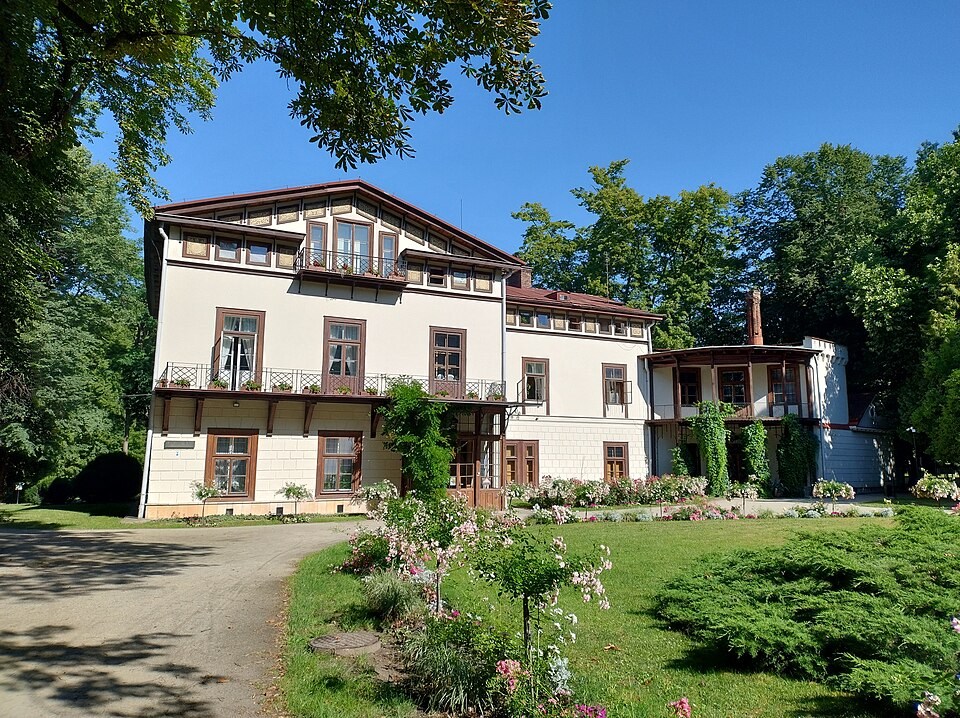
Cover: Lubomirski Palace in Przeworsk on 3 July 2026. An archival summer view, not a current winter-conditions check. Author: Patryk Duszkiewicz/Wikimedia Commons (CC-BY-SA-3.0). Resized and recompressed under the same licence.
Two museums, one park and an early last entry
The museum complex in Przeworsk combines the Lubomirski Palace, a separate firefighting museum and a historic park. That makes it a useful choice for a mixed-interest group: one person can focus on interiors and family history, another on pumps, helmets and the history of local fire brigades. It does not mean that one entrance gives immediate access to everything.
The operator's visiting page, checked on 28 November 2026, gives October–April opening of 10:00–15:00 Tuesday–Friday and 11:00–15:00 Saturday–Sunday. Mondays are closed. The crucial line is last admission: visitors are admitted only until one hour before the relevant building closes. Plan around 14:00 as the winter admission limit, not a 14:45 arrival.
Start at the Centrum Informacji Turystycznej Kordegarda, the ticket and information point at Park 1. The main museum address is Park 2, while the firefighting museum is at Park 6. Buy the route you actually want and ask which building to enter first. A combined ticket does not remove the last-entry rule at the second building.
Choose the ticket before choosing the free day
The current operator tariff lists the palace at PLN 30 standard or PLN 23 reduced, and the Muzeum Pożarnictwa at PLN 20 standard or PLN 15 reduced. A combined palace-and-firefighting ticket is PLN 39 standard or PLN 30 reduced. These are admission prices, not the total for a privately guided visit.
For a visitor paying the standard tariff, the combined product is PLN 11 less than buying the two individual admissions at their listed prices. That comparison matters only if you will actually visit both. If one exhibition is inaccessible to someone in your party or you arrive too late to use both, the cheaper-per-building ticket is not automatically the better purchase.
Tuesday is the palace's free-admission day; Thursday is the firefighting museum's. The museum does not describe either day as free access to both buildings. A Tuesday palace visit does not establish free entry to the firefighting collection, and a Thursday firefighting visit does not make the palace free.
The published entry note refers to full-hour admissions on weekends and holidays and to free days during the holiday period. Its phrasing should not be expanded into a promise of continuous entry at other times. Ask the Kordegarda for the day's actual departure or admission arrangement, particularly if you are trying to fit two buildings into a short afternoon.
Family discounts are tied to a named card
The tariff gives special prices for holders of Karta Dużej Rodziny. For the palace, the listed child or young-person price is PLN 1 and the parent or guardian price PLN 23. For the firefighting museum these are PLN 1 and PLN 15. The combined product lists PLN 2 and PLN 30 respectively.
These are card-linked categories, not a general family ticket offered to every adult travelling with children. Bring the relevant card and ask staff about eligibility and proof for the reduced category you intend to use. The checked table does not provide enough detail to assign every foreign student, older visitor or child to a discount category in advance.
Temporary exhibitions normally cost PLN 5 unless another price has been set for the particular exhibition. The museum lists the Magnez gallery, Oranżeria and former house chapel as temporary-exhibition spaces open during museum working hours. Check the current show and ticket scope rather than treating every extra building as an included permanent gallery.
What the palace actually preserves
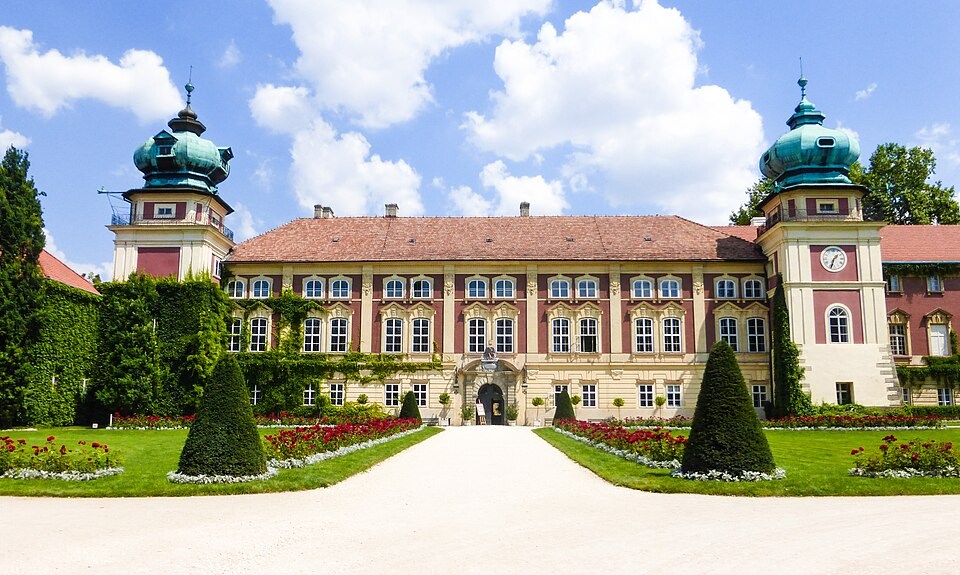
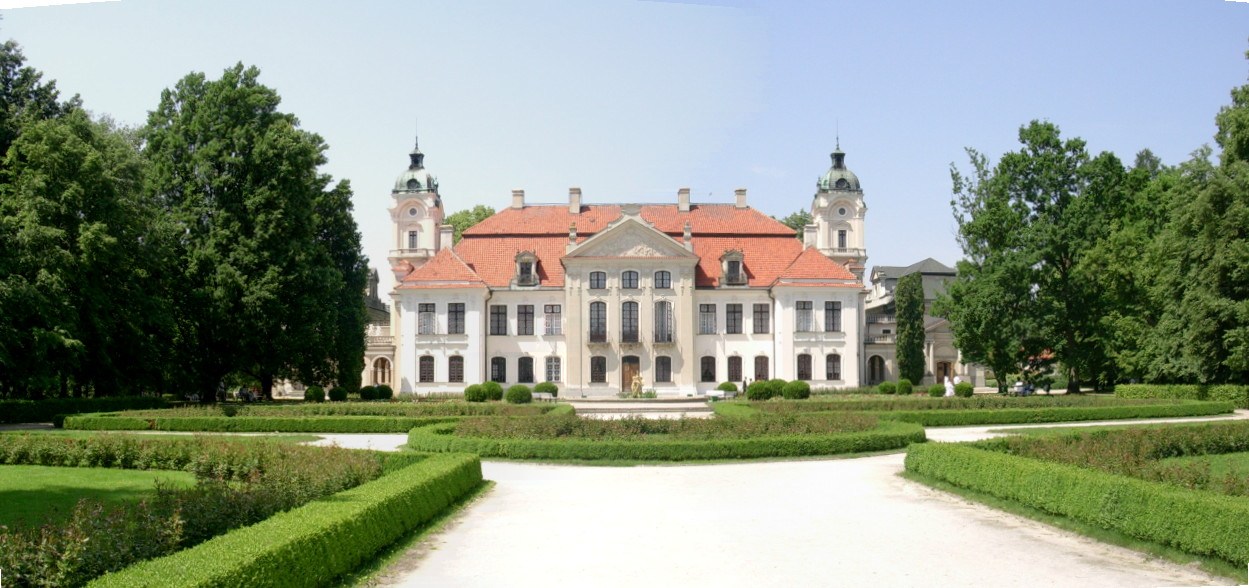
The present palace grew out of an older residence. The museum's own architectural history describes substantial walls and vaulted ground-floor rooms inherited from a seventeenth-century manor. Princess Izabela Lubomirska bought Przeworsk from her daughters in 1799 and began creating a residence for Henryk Lubomirski.
The project involved Jan Griesmeyer and then Christian Piotr Aigner, with interior stucco work by Fryderyk Bauman. The museum does not give a securely known completion date; it says the residence was habitable by 1807. That is a better distinction than presenting a single construction year as though the building appeared all at once.
Look at the contrast between the fairly restrained exterior and the decorative interiors, rather than expecting another Łańcut Castle. The residence became a setting for cultural and social life in the nineteenth century. Its history also connects the Lubomirskis with the Ossolineum and collections that moved beyond Przeworsk.
The wartime and post-war story matters when looking at the rooms. The museum says the buildings escaped major structural losses, but their furnishings were dispersed. The museum interiors assembled after conservation work include some former furnishings alongside later acquisitions. They should not be described as an untouched household preserved exactly as its owners left it.
The firefighting museum has its own story
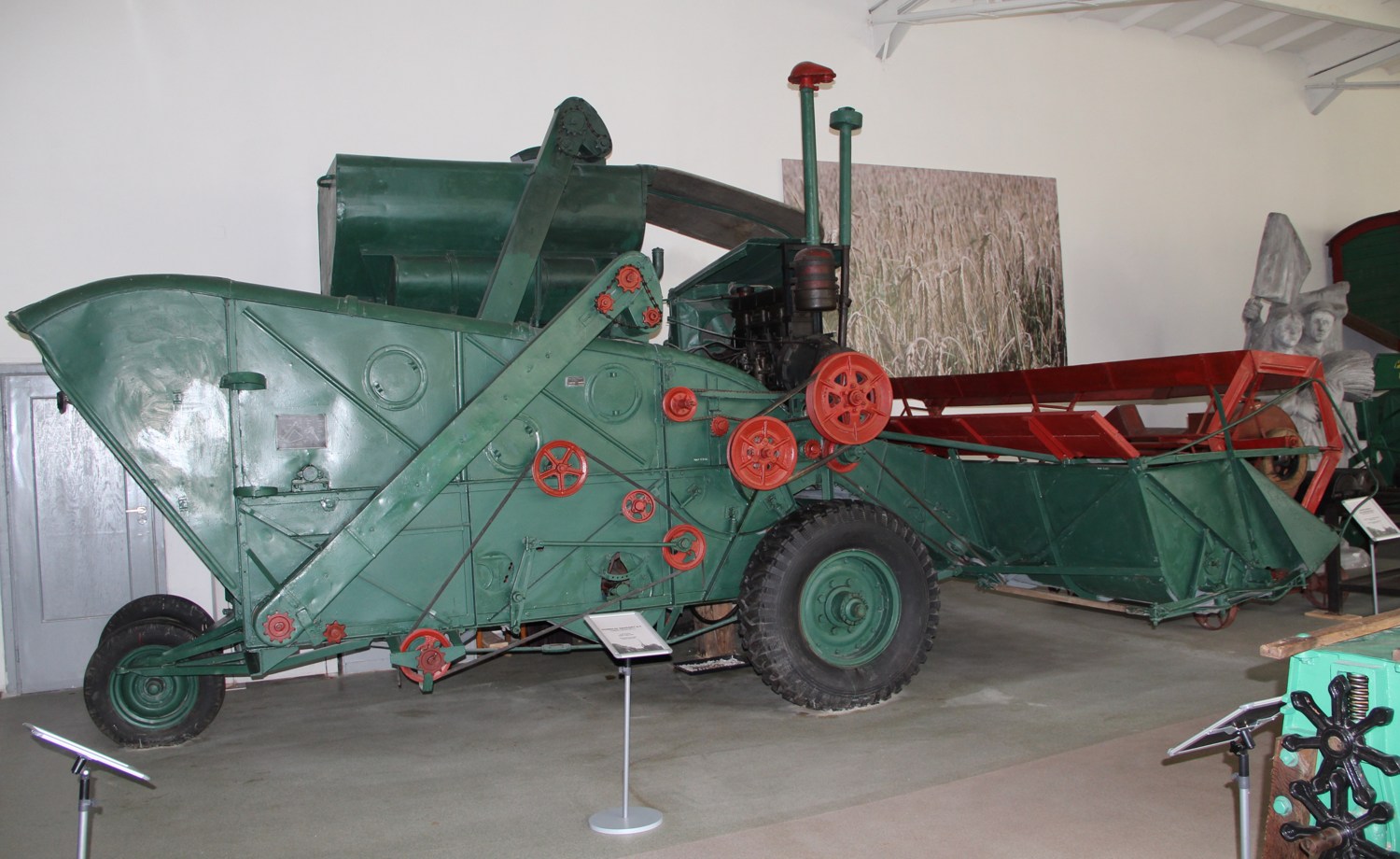
The Muzeum Pożarnictwa occupies former carriage-horse stables in the palace complex. Its origins lie in the collecting work of Leon Trybalski and local firefighting history, rather than in a display of aristocratic vehicles. The museum opened on 8 June 1974.
The operator describes more than 1,200 objects concerning fire protection and brigades in the Przeworsk district and Przemyśl region. The collection includes hand-operated and horse-drawn pumps, equipment associated with water supply, uniforms and helmets. Those are the reasons to choose this building, not an expectation of a modern emergency-services activity centre.
One useful way to read the collection is as a change in how a town organised protection. Portable pumping equipment, horse-drawn apparatus and motor pumps show different practical demands. Uniforms, parade helmets, medals and photographs show the brigade as a civic organisation as well as a response service.
There are also archival documents, including an eighteenth-century fire-precaution order described by the museum, and material about local volunteer brigades. Do not assume that every document in the archive is on display or available to handle. The visitor rules prohibit touching exhibits, and the checked pages do not promise hands-on demonstrations or children's activities with working equipment.
Check access using the newer report
Accessibility is the main reason to plan the buildings separately. The museum's older online declaration dates from 2020. A later official report, completed on 17 March 2025 and describing the position on 1 January 2025, is available through the county's public-information site. Neither document is a same-day access inspection, but the later report supplies important detail missing from older summaries.
For the palace, the 2025 report says wheelchair access is available to the ground-floor corridor and exhibition. The first-floor route is not accessible, and there is no lift, ramp or platform serving it. An accessible entrance is therefore not evidence that the palace's main upstairs interiors can be reached without stairs.
The firefighting museum has three steps at its main entrance without a ramp, and further steps within the exhibition halls. A ground-floor building is not necessarily a step-free building. Ask about your exact route and equipment before buying a combined ticket, especially if the firefighting collection is the main reason for the trip.
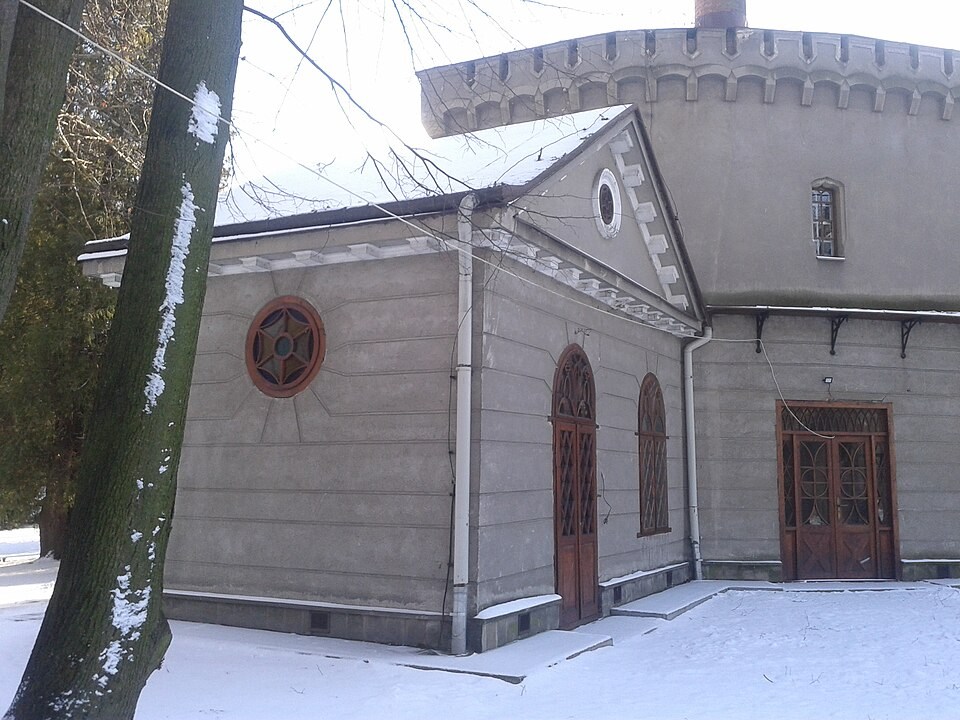
The later report describes the Kordegarda as a ground-floor building with wheelchair access and an adapted public toilet. This corrects the impression that there is no adapted toilet anywhere in the complex, which a reader might get from older building-specific information. The report still says there is no separate adapted toilet in the palace. Confirm the Kordegarda toilet's current opening and availability when planning your visit.
Do not generalise access across the grounds
The 2025 report says the Oranżeria's ground floor is accessible, while the Magnez gallery lacks ramps and platforms. The older declaration describes three steps down into that gallery. Treat its basement location as a route to check, not a minor detail that disappears because the adjacent palace entrance can accommodate a wheelchair.
The same report identifies no buildings with fully barrier-free circulation and no access to every room across the complex. Staff assistance may help with arrangements, but it does not turn the estate into a fully accessible site. For specific needs, contact the museum office on +48 16 628 44 04 or use the contact information on the official visiting page.
Assistance-dog access also needs a direct conversation. Both the older rules and the 2025 report describe restrictions rather than giving a clear welcome. This guide is reporting what the museum publishes, not deciding whether that policy complies with applicable law. Ask the museum to explain the arrangements for an assistance dog before travelling, and do not interpret a general pet restriction as legal advice.
Guides and language need advance checking
The tariff lists a guide supplement of PLN 60 for the palace, PLN 60 for the firefighting museum or PLN 100 for the combined visit, in addition to tickets. Weekend and holiday guiding requires an advance reservation. The formal visitor rules define an organised group as at least ten people, require such a group to use a guide and cap an exhibition group at thirty.
The checked price table does not name a guaranteed English-language guide or audio guide. Ask about language, availability, route and the final charge before reserving, rather than assuming that an English tourism description means an English tour is included. A staff member supervising entry is not necessarily providing a booked foreign-language tour.
Practical rules for the winter visit
The museum's still-published visitor rules are attached to an order from April 2014. They require protective shoe covers for the palace, with the current visiting page confirming that covers are supplied there. The older rules also require coats, bags, backpacks and umbrellas to be left in the cloakroom and prohibit high heels in the palace displays.
The rules allow photography in named permanent exhibitions without flash or a tripod, after informing staff and in their presence. They separately exclude free photography in the coach house because its objects are not owned by the museum. Ask about the actual exhibition you are entering; a general statement that photography is allowed misses that exception.
The park is free throughout the year, but that statement is not a promise of round-the-clock gate access or safe winter surfaces. It is a useful optional walk around the museum visit, not a guaranteed substitute for an inaccessible room. The operator lists Christmas closures on 25–26 December and also closes on 31 December, 1 January and 6 January. Check current notices for additional one-off closures.
For a first visit, arrive early enough to buy the right ticket, settle any access or language question and enter both chosen buildings before their admission cutoffs. Keep transport planning separate and check current connections for your date. Przeworsk works best when its palace and firefighting collection are treated as two worthwhile visits, rather than squeezed into the last few minutes of one opening window.
Frequently asked questions
Is the whole museum free on Tuesday?
No. Tuesday is the palace free day, while Thursday is the firefighting museum free day. The park is free throughout the year.
Can I arrive just before 15:00 in winter?
The operator admits the last visitors one hour before the relevant building closes, so plan around a 14:00 admission cutoff rather than the 15:00 closing time.
Is the whole complex wheelchair-accessible?
No. The 2025 report describes ground-floor palace access, no lift to the first floor, entrance and internal steps in the firefighting museum, and an adapted public toilet in the Kordegarda.
Sources
- Museum: winter hours, last entry and current tariff
- Museum: palace history and dispersed furnishings
- Museum: firefighting collection and its origins
- Museum: published visitor rules from April 2014
- County: official accessibility report, position January 2025
- County: museum public-information record
- Museum: older accessibility declaration from 2020
- Regional tourism: museum and tariff context
- Today in Rzeszów: chapel restoration context