Public vs Private Kindergarten in Poland: A Guide for Foreign Parents
The essentials: Public kindergartens in Warsaw are free, with parents paying only for meals, and every child from age 3 to 6 is guaranteed a place. Private kindergartens charge monthly tuition, around PLN 1,650 in one Warsaw chain in 2026/2027, but often offer English or bilingual groups and year-round enrolment.
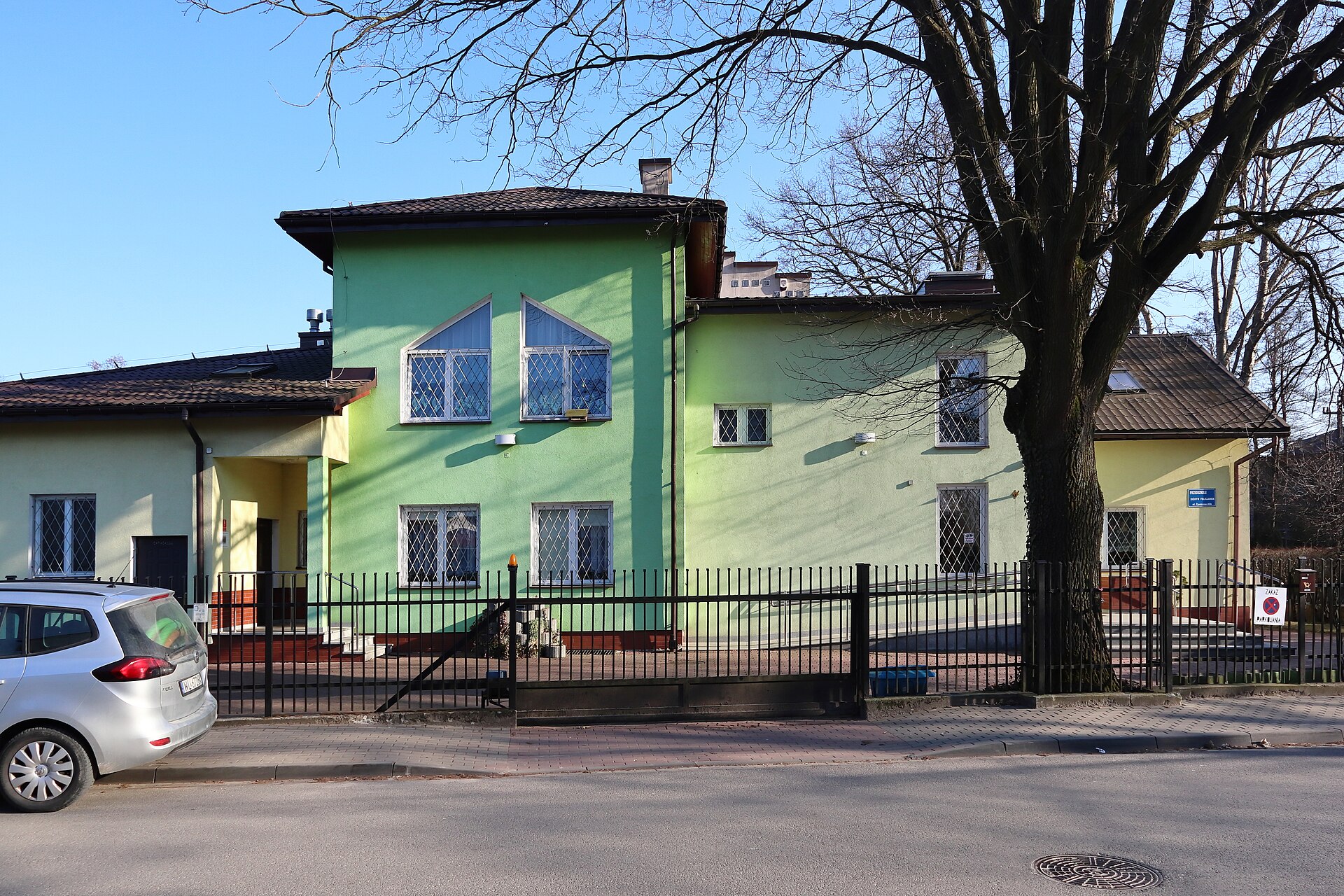
Choosing a kindergarten is one of the first big decisions expat parents face in Poland, and the public-versus-private question comes with a language twist: the free public system is excellent value but runs in Polish, while private kindergartens sell the English environment many foreign families want. Here is how both tracks actually work, based on the City of Warsaw education portal and national rules, checked on 20 October 2026.
What to know: the headline fact is that public kindergarten in Warsaw is genuinely free, and a place is guaranteed for every child from 3 to 6. Private kindergarten is a paid alternative you choose for language, hours or pedagogy, not because the public option is closed to foreigners.
The national frame: ages, guarantees and one obligation
Preschool education in Poland covers children aged 3 to 6. One year of it is compulsory: every 6-year-old must attend kindergarten or a preschool class, and the municipality must provide that place. The guarantee is in fact wider than the obligation: the local authority must secure a kindergarten place for all children aged 3, 4 and 5 whose parents want them to attend. In exceptional cases a child can start at 2.5 years old, but that happens outside recruitment, by direct decision of the kindergarten's director.
If your child already attends a kindergarten and you want to stay, you do not re-apply through recruitment. You file a continuation declaration with the director, using the kindergarten's own form, no later than 7 days before recruitment begins. Miss that declaration and your child goes back into the general pool.
The same enrolment rules apply to the other public preschool forms you will meet on Warsaw lists: preschool classes inside public primary schools (oddziały przedszkolne), public preschool points and public preschool education teams. For a parent the practical difference is the setting, not the entitlement: a preschool class in a primary school follows the same guarantee and recruitment rules as a standalone kindergarten.
Data source: Gov.pl guide to enrolling a child in kindergarten, updated 20 October 2026.
Public kindergartens: what "free" means in Warsaw
Warsaw's rule is simple and unusually generous: public kindergartens in the city, both municipal and non-municipal, are free of charge. Parents pay only for their child's meals, and may additionally pay voluntary contributions to the parents' council, the body representing parents at the institution. There is no tuition line and no monthly invoice for the education itself. The city's education portal maintains a map of all public kindergartens across Warsaw's districts, which is the natural starting point for shortlisting near your home.
Foreign families sometimes assume public institutions are reserved for citizens. They are not: recruitment is open to children living outside Warsaw as well, and the system has an explicit path for children who do not yet have a PESEL number. Your first-choice kindergarten or school will issue an identification number for the recruitment system, and you proceed like everyone else.
Data source: City of Warsaw education portal, updated 20 October 2026.
How recruitment actually works
Warsaw runs recruitment through an electronic system, with a main round in spring and supplementary rounds for remaining places. For the 2026/2027 school year the supplementary recruitment covered children born in 2020 to 2023, that is 3- to 6-year-olds, plus children with a deferred school obligation. Children born in 2024 were not covered by recruitment at all: their parents can seek a place only once the child turns 2.5, by the director's decision.
The application itself gives you real choice. You build your own preference list of kindergartens showing free places, and in Warsaw there is no limit on how many you list; nationally, the organising authority must let you choose at least three institutions. The first entry is treated as your first-choice kindergarten. You can file the application three ways: online signed with a trusted profile, online then printed and delivered to the first-choice institution, or fully on paper, with staff entering it into the system. Timing within the window does not matter: the date and hour of your submission have no effect on admission order, which is decided by the recruitment commission against formal criteria.
Two formalities catch parents out. Both parents must sign the application, and if one cannot, you attach a declaration explaining why and confirming you jointly agreed on the application. And after results are published, you must actively confirm your child's enrolment, in writing or electronically, or the place lapses. If your child was already accepted elsewhere, you must first resign that place in writing before confirming the new one.
If you apply online through the national route, the city office may ask you to deliver supporting documents; follow the platform's instructions, and remember the legal minimum: the organising authority must let every parent choose at least three preschool institutions. Results are published as lists of qualified and non-qualified children, and you can check your child's status directly on their account in the recruitment system.
Data source: City of Warsaw recruitment rules for 2026/2027, published 30 April 2026.
Private kindergartens: what you pay and what you get
Private kindergartens set their own fees, enrol year-round, and decide admissions directly, which makes them the practical answer when you arrive in Warsaw mid-year or miss the recruitment window. Fees vary widely by institution, so treat any single number as an example, not a market rate. One verified reference point: the Słoneczko chain lists, for the 2026/2027 school year, PLN 1,650 per month at its Warsaw locations in Włochy and Bemowo and PLN 1,300 at its Raszyn location, plus a one-time non-refundable PLN 500 enrolment fee, with full-day care from 7:00 to 18:00, meals and educational activities included. At the higher end, the KIDS&Co. kindergarten at Warsaw Spire lists tuition of PLN 2,550 to 3,200 per month in its August 2026 price list, with meals charged separately from PLN 32.50 per day and a reduced rate of PLN 2,295 for an older sibling. The spread between PLN 1,300 and over PLN 3,000 shows why comparing actual price lists beats trusting averages.
What the money typically buys beyond a place: smaller groups, a chosen pedagogy such as Montessori, extended hours, and, decisively for many expat families, English-language or bilingual groups. If your child will move on to an international school, a bilingual private kindergarten can smooth that path.
Data source: Słoneczko and KIDS&Co. price lists for 2026/2027, updated 20 October 2026.
Which is better for a foreign child?
There is no universal answer, but the trade-offs line up clearly. A public kindergarten gives your child full Polish immersion, which most children turn into fluent playground Polish within a year, plus neighbourhood friends and zero tuition. The challenge is the first months, when a child who speaks no Polish can find the environment overwhelming, and teachers are not required to speak English.
A private kindergarten buys you the softer landing: English-speaking staff, smaller groups and intake at any point in the year. The cost is real money every month, and your child hears less Polish day to day. Many expat families split the difference: a year of private bilingual kindergarten to settle, then public kindergarten or school once the child has footing. Whatever you choose, visit the institution, ask how non-Polish-speaking children are supported, and ask current parents about daily life. The brochure answer and the honest playground answer are not always the same.
Data source: City of Warsaw and Gov.pl pages cited above, updated 20 October 2026.
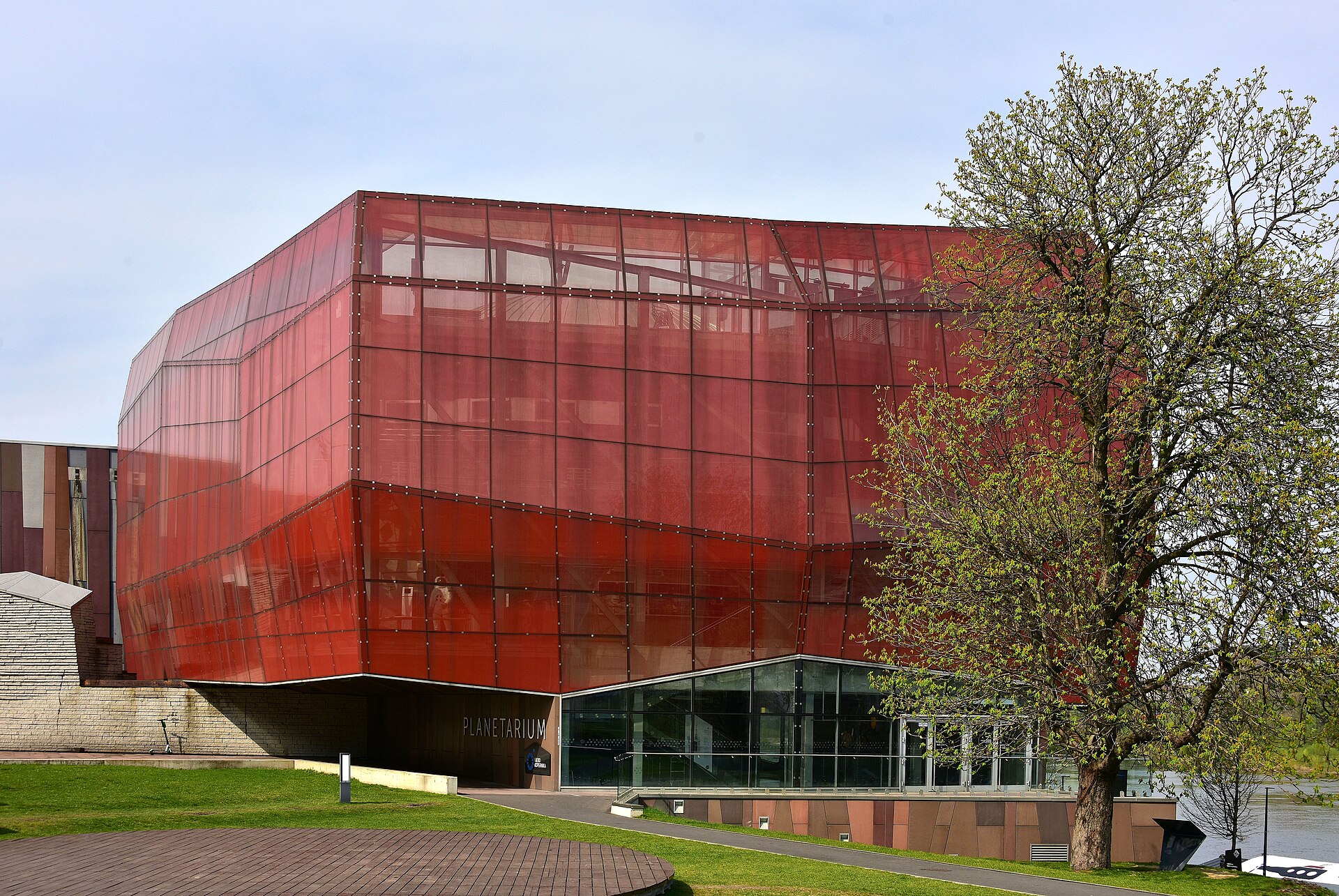
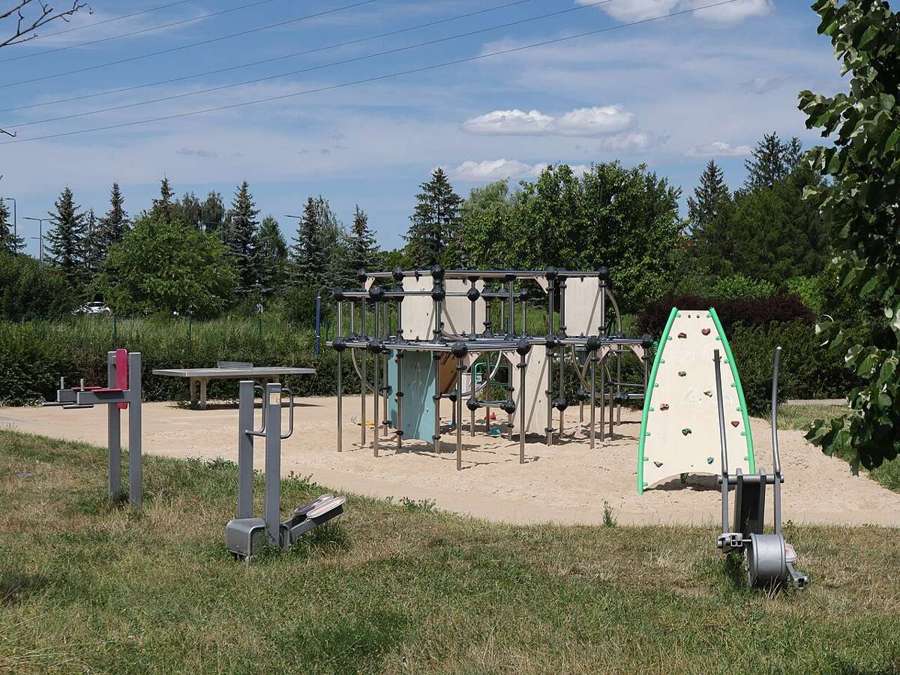
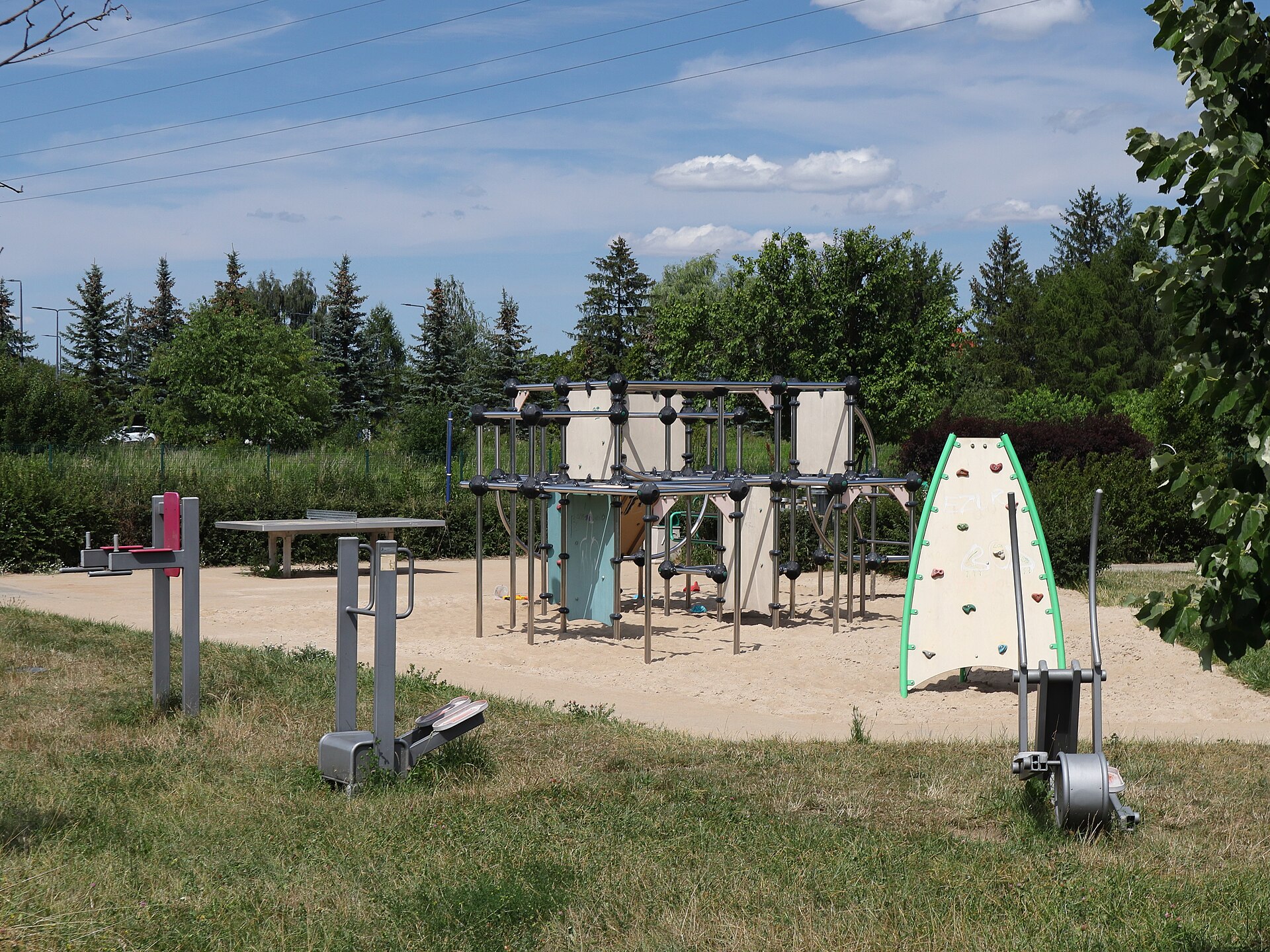
* Photos: kindergarten building and playground in Warsaw, both by Cybularny, CC0, via Wikimedia Commons.
Frequently asked questions
Is public kindergarten free in Poland?
In Warsaw, public kindergartens, both municipal and non-municipal, are free. Parents cover only the cost of their child's meals and may pay voluntary contributions to the parents' council.
At what age do children start kindergarten in Poland?
Kindergarten covers ages 3 to 6. Attendance is compulsory at 6, and in exceptional cases a child can start at 2.5 years old by decision of the kindergarten's director, outside the recruitment process.
Can a child without a PESEL number apply to a Warsaw kindergarten?
Yes. If your child has no PESEL, go to your first-choice kindergarten or school and ask for an identification number for the recruitment system, then apply normally.
How much does a private kindergarten in Warsaw cost?
Fees vary by institution. As one verified example, the Słoneczko chain lists PLN 1,650 per month for its Warsaw locations in 2026/2027, with a one-time PLN 500 enrolment fee, meals and full-day care from 7:00 to 18:00 included.