Recycling in Poland: The Five-Bin Waste System Explained
Short answer: Poland uses five bins: yellow for metals and plastics, blue for paper, green for glass, brown for bio waste, black for mixed waste. Batteries, medicines and electronics go to shop drop-offs or the municipal PSZOK. Gminas can charge two to four times the base fee when a property does not sort.
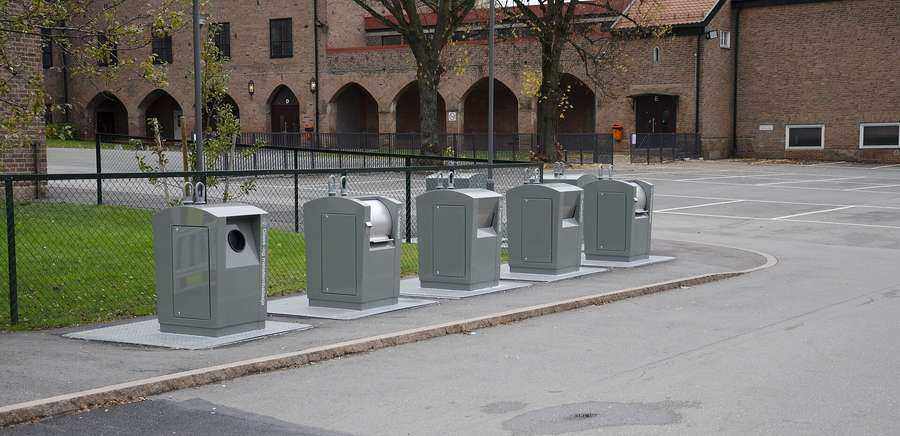
Your first week in a Polish flat comes with a small puzzle: five coloured bins and a set of rules nobody explains. Waste sorting is not optional etiquette here - it is a national system with fees behind it, and getting it wrong can double or quadruple the bill. Here is how Poland's segregation system works, as of October 2026.
The five bins
The Ministry of Climate and Environment sets out a uniform national system with five fractions, each with its own colour:
- Yellow - metals and plastics: cans, plastic bottles and packaging, metal bottle caps and jar lids, aluminium foil, and multi-material cartons for milk and juice.
- Blue - paper: newspapers, cardboard, office paper and books.
- Green - glass: bottles and jars.
- Brown - bio waste: food scraps, peelings, garden waste.
- Black - mixed waste: everything that is left, such as ceramics, used hygiene products and dirty packaging that cannot be cleaned.
The ministry's detailed guidance lists what to keep out of each bin, and the exclusions catch many newcomers. Plastic and metal containers should not receive medical waste such as syringes, construction and demolition rubble, or hazardous leftovers like paint and solvent residues. Paper should not include foil-coated paper, tracing paper, disposable nappies, wallpaper or fertiliser and cement bags - hygiene products are the single most common sorting mistake. Glass is for packaging glass; broken windows, mirrors, ceramics and heat-resistant kitchen glass belong elsewhere, because their melting points ruin a recycling batch. The brown bio bin takes what rots: fruit and vegetable scraps, eggshells, coffee grounds, tea bags, faded flowers and garden cuttings; it is not for pet waste, ash or vacuum-cleaner contents. When in doubt, mixed waste is the safer bin - a contaminated recyclables load can be rejected wholesale.
Hazardous waste and electronics never go in any bin
Batteries and accumulators, expired medicines, fluorescent tubes, chemical residues and old electronics (electro-odpady) must not go into mixed waste. The ministry directs these to designated drop-off points in shops and pharmacies and to the PSZOK - the municipal selective collection point that every gmina organises. Your gmina's website lists PSZOK locations and opening hours, and they typically accept furniture, renovation leftovers and tyres as well. For bulky items that will not fit in a car, most gminas also run scheduled bulky-waste collections - again, the dates and booking rules are published locally, so the gmina page is the reference.
The fee system behind the bins
Sorting is backed by money. Municipal waste in Poland is financed by a monthly fee that the property owner pays under a declaration filed with the gmina; the gmina council sets the rate and the calculation method (per person, per container or by water use) under the Act on Maintaining Cleanliness and Order in Gminas. The same act gives the council a stick: if the property owner does not fulfil the duty of selective collection, the gmina sets an increased fee of between two and four times the base rate. In blocks of flats the building community passes these costs through in the monthly charges, so neighbours' sorting habits affect everyone's bill.
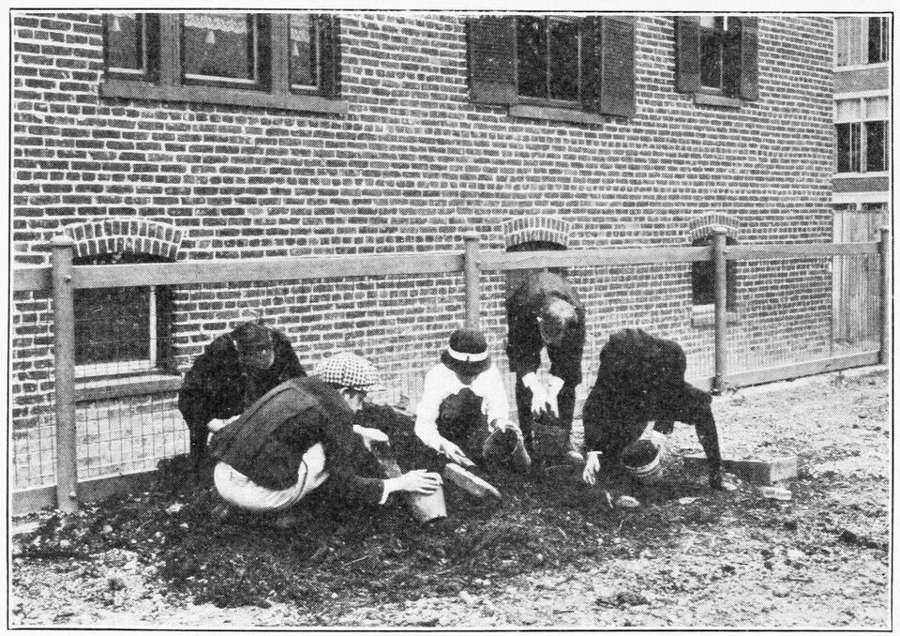
Homeowners get one more option: a gmina may skip collecting bio-waste from a single-family house whose owner declares in the waste-fee declaration that they compost in a home composter.
Practical checklist
- Learn the five colours: yellow metals/plastics, blue paper, green glass, brown bio, black mixed.
- Keep syringes, rubble and hazardous waste out of the recycling bins.
- Take batteries, expired medicines, tubes and electronics to shop drop-offs or the PSZOK.
- Renters: the waste fee is part of your building charges, and poor sorting by the community can raise it.
- Homeowners: file the gmina declaration, and declare home composting if you do it.
- Dirty packaging you cannot clean goes to mixed waste, not recycling.
Frequently asked questions
### Who actually pays the waste fee - me or my landlord?
The declaration and fee belong to the property owner under the cleanliness act. In rented flats the cost is usually passed through in the rent or service charges.
What happens if my building does not sort at all?
The act lets the gmina set an increased fee of two to four times the base rate for properties that fail to collect selectively.
Where do I throw away an old washing machine?
Not in any bin. Large electronics go to the PSZOK or to shops that accept used equipment; the ministry's guidance treats electronics as waste that must never enter mixed waste.
Do all gminas use the same colours?
Yes. The five-fraction colour system is national, set by a 2021 regulation of the Minister of Climate and Environment.