Study in Poland as a foreigner: who pays tuition, who studies free
Short answer: Full-time studies in Polish at public universities are free for EU/EEA citizens, permanent residents, Karta Polaka and C1 holders. Others pay about 2,000 euro a year on average.
Do foreigners pay tuition at Polish public universities? It depends on your status, not on your nationality alone. Full-time studies taught in Polish are free for several groups of foreigners, while everyone else pays. This guide explains the rule in the higher education law, who falls under it, what tuition looks like for those who pay, and which scholarships are open to foreign students. It is based on the Ministry of Science and Higher Education, the national study portal run by NAWA and the admissions pages of Polish universities, checked on 16 October 2026.
The basic rule
According to the study.gov.pl portal, full-time studies in Polish at public universities are free for Polish citizens and for foreigners who start studying on the terms that apply to Polish citizens. The portal says this group includes EU and EEA citizens and students from other countries who hold a Karta Polaka.
The legal basis is article 324 of the Law on Higher Education and Science. The ministry explains that, for people who started studies from the 2019/2020 academic year, a public university does not charge for full-time studies in Polish for the groups listed below. Foreigners outside these groups, and all foreigners who choose programmes taught in another language, normally pay.
Who studies free in Polish
The ministry's list covers foreigners who are:
- citizens of EU or EEA states or Switzerland, and their family members living in Poland
- holders of a permanent residence permit or EU long-term resident status
- holders of a temporary residence permit granted on the grounds named in article 159(1) or article 186(1)(3) or (4) of the Act on Foreigners
- holders of refugee status granted in Poland, or people with temporary or subsidiary protection in Poland
- holders of a certificate of Polish as a foreign language at level C1 or higher
- holders of a Karta Polaka or a decision confirming Polish origin
- the spouse, parent or child of a Polish citizen, living in Poland
- holders of certain research-related permits or visas, listed in the ministry text
Universities apply the list to their own admission rules. The University of Silesia in Katowice, for example, publishes the same list in its fee pages and adds that its own first-cycle graduates continuing to a second-cycle degree there, graduates of its one-year Polish language preparatory course, and winners of its competition for the best foreign candidates also pay nothing. It also notes that NAWA scholarship holders are exempt. On the University of Silesia page, the free option covers full-time studies in Polish or English, which shows that the details differ from one university to the next, so read your target university's own resolution.
What those who pay should expect
If you do not fall under any group, or you choose a programme in English, the university sets the fee. Study.gov.pl gives these average annual amounts for foreigners in public universities:
- first-cycle, second-cycle or long-cycle master's studies: 2,000 euro
- doctoral and postgraduate studies and some other programmes: 3,000 euro
- a language course, including a preparatory course for studies in Polish: 2,000 euro
The portal adds that fees are set by each institution and cannot be lower than the planned cost of the teaching. It gives a range of 2,000 to 6,000 euro a year at non-public universities and about 8,000 to 12,000 euro for MBA programmes. These are averages and ranges, not a price list, so look at the specific programme.
Fee tables change from year to year. The Silesian Medical University states that its 2026/2027 fees for foreigners will be published after the rector issues a new order, and the University of Silesia pricing PDF still refers to the 2025/2026 cycle. Always take the figure from the university that applies to your start year.
Scholarships and student loans
Not every foreign student has the same access to financial support. The ministry says that the social scholarship and the student loan are open to foreigners who:
- hold a permanent residence permit or are EU long-term residents
- hold a temporary residence permit on the grounds named in article 159(1) or article 186(1)(3) or (4)
- hold refugee status, temporary protection or subsidiary protection in Poland
- hold a Polish language certificate at C1 or above
- hold a Karta Polaka or a confirmation of Polish origin
- are the spouse, parent or child of a Polish citizen living in Poland
- hold certain research-related permits
According to the same page, all foreign students who started in 2019/2020 or later can apply for the other forms of aid, which include the rector's scholarship, the scholarship for people with disabilities, a one-off allowance, and scholarships for academic or sports results.
For doctoral students, the ministry states that foreigners in doctoral schools receive a stipend of 2,350 zł at the beginning and 3,632 zł gross after the mid-term evaluation. The minister and NAWA can also grant scholarships and cover tuition or living costs for selected foreigners.
Do you need a residence permit?
If you come from outside the EU, studying also needs a legal stay. Our student residence permit guide on this site explains the documents and the proof of paid tuition that is required for fee-paying students. Free tuition does not replace the residence procedure.
Documents to prepare
Universities ask for proof of the status that gives you free tuition. The University of Silesia, for example, asks EU, EEA and EFTA citizens to show an ID card or passport that names the citizenship. For permit holders, bring the card or decision, and for the C1 route, the state commission's certificate. Ask the admissions office for the full list for your group.
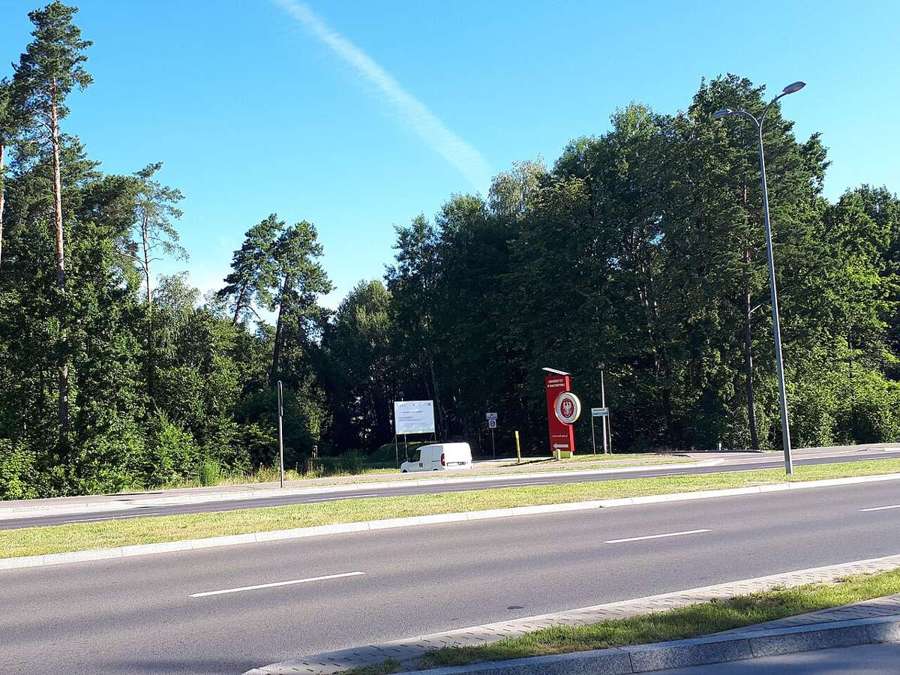
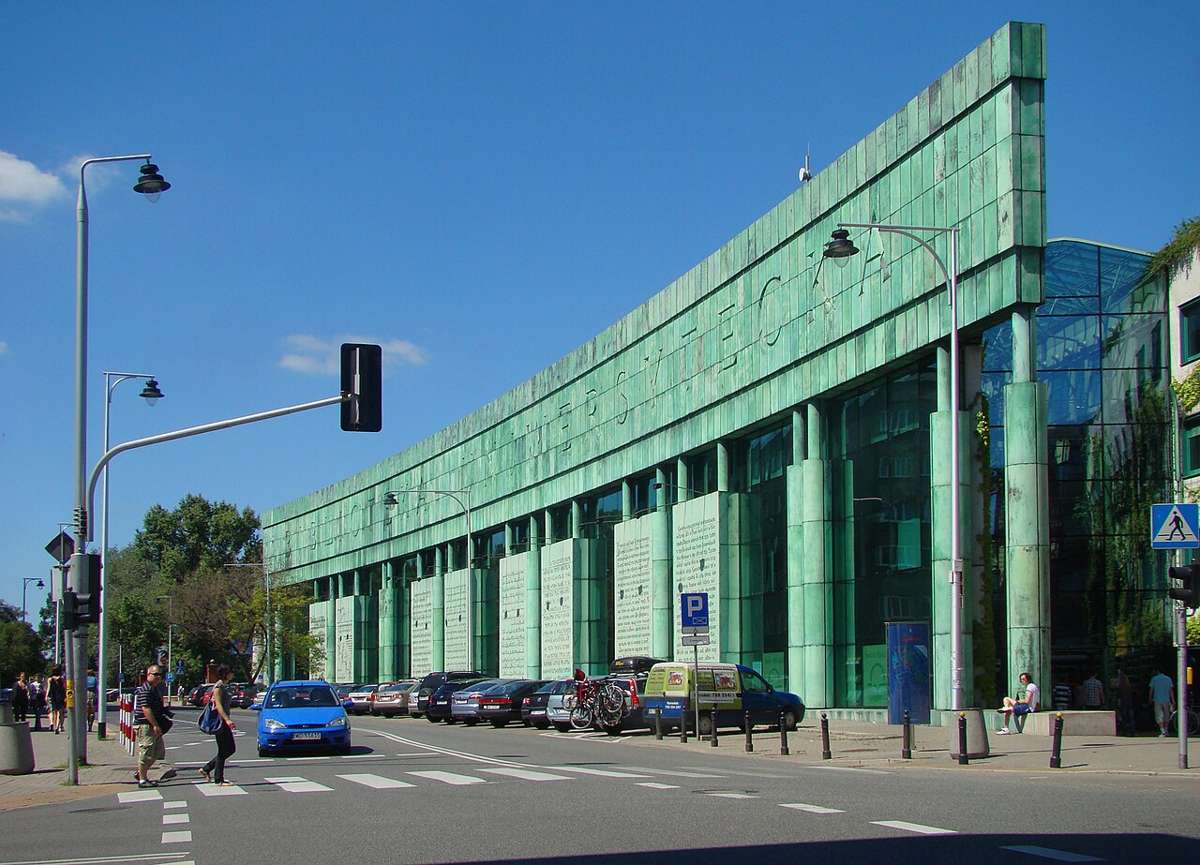
* Photos: University of Białystok campus, Wikimedia Commons, CC0. Warsaw University Library, Wikimedia Commons, public domain.
Frequently asked questions
Are Polish-language studies free for foreigners?
For the groups listed in article 324 of the Law on Higher Education and Science, yes, full-time studies in Polish at public universities are free. This includes EU and EEA citizens, permanent residents, Karta Polaka holders and C1 certificate holders.
How much do foreigners pay if they are not exempt?
Study.gov.pl gives an average of 2,000 euro per year for bachelor's and master's programmes at public universities, but each university sets its own fee and it cannot be lower than the planned cost of the teaching.
Can foreign students get a social scholarship?
Only some of them. According to the ministry, the social scholarship and student loan are open to groups such as permanent residents, refugees, Karta Polaka holders and C1 certificate holders.
Is studying in English free?
Not by the rule in article 324, which covers studies in Polish. The University of Silesia states that its exemption also covers English-language studies, so check the target university's rules.
Sources
- Ministry of Science and Higher Education, Na jakich zasadach cudzoziemcy podejmują i odbywają nauki w polskich szkołach wyższych
- Study in Poland (NAWA), Czesne
- University of Silesia, Opłaty za studia (recruitment portal)
- Medical University of Silesia, Opłaty i zwolnienie z opłat (cudzoziemcy)
- Law on Higher Education and Science (Dz.U. 2018 poz. 1668)