Best Volunteering in Warsaw for English-Speaking Expats: 5 Routes
The essentials: Five verified options: the city portal Ochotnicy Warszawscy (English version); Szlachetna Paczka (2026 recruitment opened 7 July); WOSP Grand Finale collection (register via iWolontariusz); Fundacja Ocalenie (training provided); and Paluch shelter dog groups (ul. Paluch 2). None requires fluent Polish.
Why volunteering works especially well for expats in Warsaw
Volunteering solves three expat problems at once: it gives the week structure, it puts you in repeated contact with the same Poles (the actual mechanism of friendship), and it produces local references and stories that no Polish course can. Warsaw's volunteering scene is also unusually accessible to non-Polish speakers - the city's own volunteering portal runs an English version, and several flagship organizations actively recruit international residents. The five routes below are verified, current and genuinely open to English speakers.
*Data source: ochotnicy.waw.pl (city volunteering portal, English version) - checked 21 October 2026.*
The city portal: Ochotnicy Warszawscy
Start here. Ochotnicy Warszawscy (ochotnicy.waw.pl) is the City of Warsaw's volunteering platform, based at ul. Leona Kruczkowskiego 2, and it aggregates offers from across the city - one-off events, long-term commitments, individual and group options. The site has an English version ("Choose volunteering for yourself"), which matters: most municipal infrastructure in Poland assumes Polish, and this one does not. Browsing the current offers for a month gives a realistic map of who needs what, before you commit anywhere.
*Data source: ochotnicy.waw.pl - checked 21 October 2026.*
Szlachetna Paczka: the autumn-to-Christmas sprint
Szlachetna Paczka ("The Noble Gift") is Poland's best-known direct-aid program: volunteers help identify families in need, verify their situations, and match them with donors who prepare personalized gift packages for Christmas. Its 2026 volunteer recruitment opened on 7 July 2026 - the work begins months before the December "Weekend of Miracles," so autumn is exactly the right moment to join. The roles suit organized, people-comfortable volunteers: interviewing families, coordinating donors, logistics in the final packing days. Warsaw is one of the program's biggest cities, so local teams are large and active.
*Data source: szlachetnapaczka.pl news, "Ruszyła rekrutacja do wolontariatu" (7 July 2026) - checked 21 October 2026.*

WOŚP: one January day, a country of volunteers
The Great Orchestra of Christmas Charity (Wielka Orkiestra Świątecznej Pomocy) runs Poland's largest one-day public collection. The 34th Grand Finale played on 25 January 2026, and the pattern repeats every late January: registered volunteers collect donations in the famous sealed money boxes on streets across the country, with Warsaw's collection among the biggest. Adults register through the iWolontariusz portal (iwolontariusz.wosp.org.pl) for traditional collection boxes. For an expat, it is the lowest-commitment entry point on this list - one day, no Polish required beyond a smile and a "dziękuję," and you spend it inside a local team. Registration for each Finale opens in the preceding weeks; watch the portal from November.
*Data sources: wosp.org.pl/final (34th Finale, 25 January 2026) and iwolontariusz.wosp.org.pl - checked 21 October 2026.*
What a volunteering week actually looks like
A realistic composite week for a Warsaw expat volunteer: one evening browsing or applying through the city portal; a Saturday morning shift or walk at Paluch (the shelter accepts in-kind donations daily 10:00-18:00, and volunteer groups coordinate their own schedules); a weekday evening training session at Ocalenie when a new cohort starts; and, in season, Szlachetna Paczka family-verification visits on two or three evenings across autumn. Total: four to eight hours a week - enough to belong somewhere, not enough to consume a life. Most organizations on this list let you scale up or down; the mistake is signing up for a heroic schedule in week one and burning out by week six.
Fundacja Ocalenie: helping other foreigners
The Ocalenie Foundation supports refugees and migrants in Poland, and its volunteer community numbers over 400 people working under formal volunteer agreements, with free training and team support. Roles range from helping run Polish-language courses for adult foreigners to accompanying families through offices, schools and hospitals - work where being a foreigner yourself is an asset rather than a barrier, and where English (or another language you carry) is directly useful. This is the most structured option on the list: agreements, training and a professional support system, suited to people who want a defined, ongoing role rather than ad-hoc events.
*Data source: ocalenie.org.pl/wlacz-sie/wolontariat - checked 21 October 2026.*
Schronisko na Paluchu: dogs, walks and a ready-made group
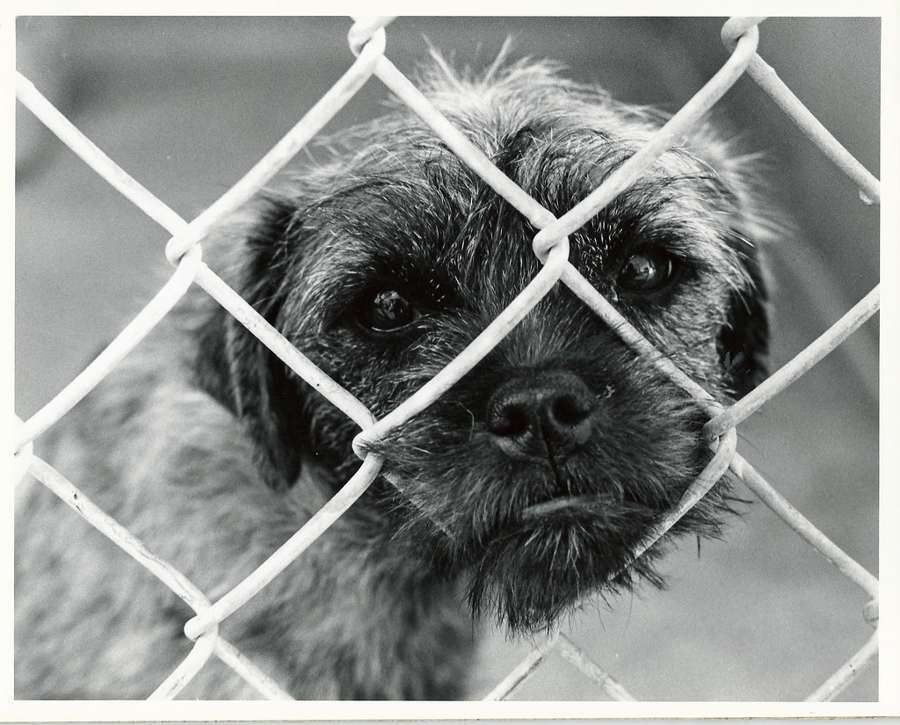
Warsaw's municipal animal shelter - Schronisko na Paluchu im. Jana Lityńskiego, ul. Paluch 2 in the Wawer district - describes volunteering as the heart of its operation. Volunteers are organized into groups around specific dogs: walking them, promoting them online, and supporting the adoption process; you choose the tasks you want to focus on. It is the most social animal option in the city, and the group structure means you are assigned to a team from day one rather than floating. In-kind donations are accepted daily 10:00-18:00 if you want to start smaller.
*Data sources: napaluchu.waw.pl volunteering page and BIP contact record (ul. Paluch 2, 02-147 Warszawa) - checked 21 October 2026.*
The social dividend, honestly described
What volunteering gives an expat that a language exchange or meetup usually does not: continuity with a purpose. A Paluch dog group meets because the dogs need walking, week after week; a Szlachetna Paczka team meets because families are waiting. You stop being "the foreigner looking for friends" and become "the person who handles the Tuesday shift" - and friendship follows the role, not the other way around. This is also why the structured options (Ocalenie, Paluch) tend to outperform one-off events for people who stay in Warsaw long-term: the agreement and training are not bureaucracy for its own sake, they are the container that keeps the group stable.
Choosing your route: a practical decision guide
1. Want maximum variety and English support - browse Ochotnicy Warszawscy first. 2. Want a seasonal, high-energy project - Szlachetna Paczka (join in autumn; the December finale is the payoff). 3. Want one iconic day - WOŚP's late-January Finale; register from November via iWolontariusz. 4. Want a defined, trained, long-term role - Ocalenie's volunteer program. 5. Want animals and a fixed team - Paluch shelter's volunteer groups.
A note on language: Szlachetna Paczka and WOŚP fieldwork runs in Polish but welcomes helpers at any level; Ocalenie and the city portal are the most explicitly international. None of the five requires fluent Polish to start - and all five will improve it faster than any classroom.
What to expect on the formal side
Polish NGOs take volunteering paperwork seriously, which protects you. Expect a volunteer agreement (porozumienie o wolontariacie) spelling out tasks, hours and any insurance - Ocalenie names this explicitly in its offer. Long-term roles often come with free training; event volunteering (WOŚP) requires only registration and, for collection boxes, adult status. One genuine benefit: regular volunteers can request a certificate (zaświadczenie), useful for CVs, university applications and, in some cases, residency-file evidence of community involvement. Keep every document the organization gives you.
*Data sources: ocalenie.org.pl (agreements and training), iwolontariusz.wosp.org.pl (adult registration) - checked 21 October 2026.*
Common mistakes to avoid
- Joining in December. Szlachetna Paczka's cycle starts in summer; arriving in December leaves you with packing shifts only. Join in autumn.
- Waiting for "perfect Polish." The organizations above recruit capability, not grammar; start at your current level and let the work teach you.
- Skipping the paperwork. The volunteer agreement and training are what entitle you to insurance, support and later certificates - treat them as part of the deal, not an obstacle.
- Chasing variety over continuity. One team for six months beats six events for one weekend each, for both impact and friendship.
Frequently asked questions
Can I volunteer in Warsaw without speaking Polish?
Yes. The city's Ochotnicy Warszawscy portal has an English version, Fundacja Ocalenie actively uses volunteers' foreign languages, WOŚP street collection needs no Polish, and Paluch shelter dog-walking is language-light. Szlachetna Paczka fieldwork runs in Polish but welcomes helpers.
What is the easiest volunteering to start with in Warsaw?
The WOŚP Grand Finale street collection - one day in late January (the 34th was 25 January 2026), free registration via iWolontariusz - or dog-walking groups at the Paluch shelter (ul. Paluch 2), where you join an assigned team.
Where do I find volunteering offers in Warsaw in English?
Ochotnicy Warszawscy (ochotnicy.waw.pl), the City of Warsaw's volunteering platform at Leona Kruczkowskiego 2, runs an English version aggregating offers from across the city.
Do Polish NGOs give volunteers any documents?
Yes - structured programs (like Ocalenie) work under a written volunteer agreement with free training, and regular volunteers can request a certificate of volunteering, useful for CVs and applications. Keep the agreement and any certificates.
When can I join Szlachetna Paczka as a volunteer?
Recruitment for the 2026 edition opened 7 July 2026; the program runs through autumn with the gift-delivery "Weekend of Miracles" in December. Joining early in autumn gives you the full cycle. * Photos: shelter dog ("Awaiting Rescue", CC BY 2.0, via Flickr) and the WOŚP heart sculpture in Łódź (Wikimedia Commons, CC BY-SA).