Warsaw Rising Museum: A First Visit in English
The essentials: Regular admission is 35 zł and reduced admission is 30 zł; Thursday entry is free. Allow about two hours. English audio-guide hire is 13 zł, or 10 zł on your own smartphone. The museum recommends the full exhibition for visitors older than 13.
Generated editorial illustration of visit preparation with a generic city skyline, not a museum photograph or an actual view from the venue.
The Warsaw Rising Museum is a useful first stop for newcomers who want to understand why memory occupies so much space in contemporary Warsaw. It is also an emotionally demanding visit. The exhibition deals with the 1944 uprising, civilian life, destruction and its aftermath. Treating it as a quick collection of wartime objects misses much of its purpose; treating it as an uncomplicated children's attraction creates a different problem.
This guide uses the museum's visitor information and Warsaw's official tourism pages checked on 7 November 2026. The practical starting point is simple: allow about two hours, choose an English audio guide or an appropriate guided visit if you need one, and make a deliberate decision about children. Free admission on Thursday can save money, but it does not remove the need to plan the visit.
Start with the museum's name and subject
The official English name is Warsaw Rising Museum. You may also see Warsaw Uprising Museum in English listings; the Polish name is Muzeum Powstania Warszawskiego. Its address is Grzybowska 79, in Wola. Save the address alongside the name when sharing a meeting point with visitors, rather than relying on a translated museum name alone.
Warsaw's tourism office describes the exhibition as covering the 63 days of fighting in 1944, the everyday lives of civilians and post-war communist terror. It is housed in a former tram power plant. That combination helps explain its approach: military equipment is part of the story, but so are personal testimony, communication, everyday survival and the fate of the city.
Hours, last tickets and the November holiday exception
The published regular hours are 08:00-18:00 on Monday, Wednesday, Thursday and Friday, and 10:00-18:00 on Saturday and Sunday. Tuesday is the closed day. Admission tickets are sold until 30 minutes before closing. That is a sales deadline, not a recommendation to arrive at 17:30: the museum estimates about two hours for the exhibition.
There is a current exception worth separating from the normal timetable. On Wednesday 11 November 2026, the museum says it will open from 10:00 to 18:00. Do not apply the usual Wednesday 08:00 opening to that holiday. Check the museum's Visit Us page before a later trip, because holiday changes are published there and can override the weekly pattern.
A workable first-visit plan is to choose a morning or early-afternoon arrival, leaving time for ticketing, storing bags and collecting an audio guide before the exhibition itself. If your group needs breaks or reads extensively, leave more space than the two-hour estimate. Avoid placing an inflexible appointment immediately after the museum simply because you have seen that estimate online.
Tickets and the actual cost of an English-language visit
The current regular admission ticket is 35 zł and the reduced ticket is 30 zł. A Large Family Card ticket is 10 zł per person and is available at the box office on presentation of the card. Reduced admission requires the relevant supporting document. Being a visitor from abroad or living in Warsaw does not by itself establish entitlement to a reduced ticket.
The museum lists reductions for categories including school pupils, students and doctoral students, people over 65, pensioners, people with disabilities and their carers. There are additional defined categories in the official FAQ. Read the category that applies to you rather than assuming a general family or student discount will cover everyone in your party.
Thursday admission is free, with free tickets issued at the museum's ticket office on the day. The museum also lists free admission for children up to seven and certain other documented categories. Keep free entry separate from optional services: an audio guide has its own published price, so a free-admission day should not be described as making every part of the visit free.
You can buy an individual admission ticket at the museum without booking beforehand or use the official online ticket site. Buying a ticket is not the same as booking a guide. The ticket platform separates single tickets, groups with a guide, collective guided tours and other attractions. Check the product heading before paying, especially if an English-language tour is the reason for your visit.
Audio guide, private guide or independent visit?
Audio-guide hire costs 13 zł per person; access through your own smartphone costs 10 zł per person. The museum lists English, French, German, Greek, Italian, Slovak, Spanish and Ukrainian audio guides. Its FAQ says a photo ID is needed to rent a device. Put that on your packing list before choosing the rental option.
A guided tour in English, German, French, Russian, Italian or Spanish is listed at 250 zł plus admission tickets. This is a guiding-service fee, not a replacement admission price for the whole party. The ticket site labels its collective guided tour for individual guests as Polish-language only. An English audio guide is therefore a different option from joining that collective tour.
Only the museum's own guides may guide visitors around the exhibition. To arrange a guide, use the official group-with-guide booking route or contact the museum in advance. If tours are full, the FAQ says an individual visit, or a small group visit with a carer, is still possible without an earlier reservation. Do not promise a guide to visiting friends until that service is actually confirmed.
What to give your attention to inside
The exhibition's central steel monument runs through the building's floors. Warsaw's tourism office describes dates of the uprising and bullet marks on its walls, with the sound of a heartbeat from within. It is a useful reminder to slow down: the installation connects the museum's different levels to the life of the city, rather than functioning only as a backdrop for photographs.
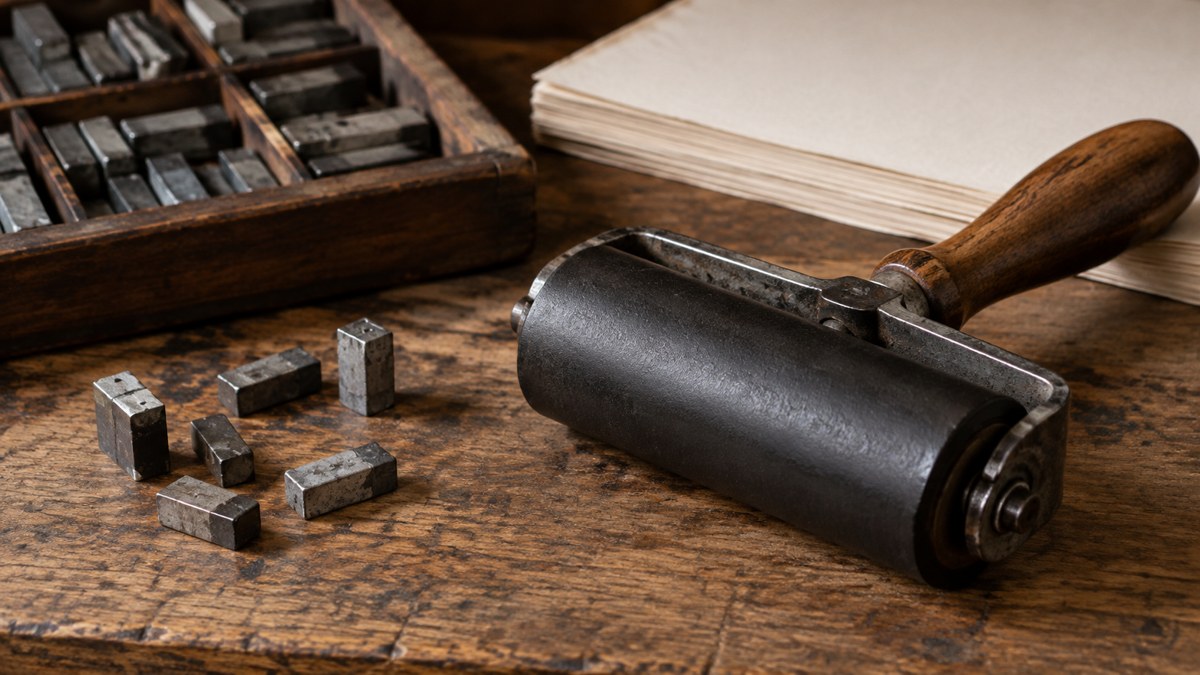
The printing shop and communications room offer another way into the story. Along with the Liberator bomber replica and sewer reconstruction, these are elements the museum itself identifies as potentially engaging for younger visitors. For adults, they can anchor questions about how information, supplies and movement worked under wartime conditions. Use the interpretation around them rather than judging the exhibition only by its largest objects.
The film City of Ruins is included in admission. It presents a reconstruction of devastated Warsaw seen from the air. The official FAQ is inconsistent about the screening format: its ticket answer calls the included viewing 2D, while a later answer discusses the original 3D reconstruction. Plan to see the film if you want to, but ask staff about the current presentation rather than buying on a promise of a particular format.
Outside, Freedom Park's Memorial Wall is another place for reflection. The city's tourism office describes nearly 11,000 names of soldiers killed in the uprising engraved there. Give it time if conditions and access allow, rather than treating the end of the indoor route as a signal to rush away. The museum is both an exhibition and a place of remembrance.
Children: admission permission is not age suitability
The museum recommends the entire exhibition for visitors older than 13 because the wartime histories can be difficult for sensitive visitors. It also says some elements can interest children of different ages. These statements are compatible: a child may enjoy a printing press or aircraft while finding other parts distressing. Free or reduced admission does not answer the suitability question.
The published supervision rule says children below 13 must be accompanied by an adult, with one adult supervising no more than three children below 13. It also says young people aged 13-18 visit under the supervision of a teacher or carer. Families and youth groups should use those rules when deciding who needs to accompany the visit, not a general assumption that teenagers can always enter independently.
For a younger child, choose a limited plan and explain in advance that this is a museum about war and real people. Be ready to leave a section, take a break or end early. Avoid promising that every interactive feature is a game. The museum is accessible to prams, has lifts to upper sections and provides toilets suited to parents with young children, but physical convenience does not make the subject less demanding.
Getting there, bags and access needs
The museum identifies Rondo Daszyńskiego on metro line M2 as a public-transport approach. Check the current route from your actual starting point rather than relying on a permanently printed list of bus and tram numbers. There is no museum-owned passenger-car parking lot. Nearby private parking is an option, not a guaranteed museum space included in your admission.
Backpacks and large bags must be left in luggage lockers in the courtyard; the FAQ specifies a refundable deposit using a single 5 zł coin. Coats go in the cloakroom. Bring a suitable coin if you expect to use a locker, and leave time for this before collecting your audio guide or meeting a booked guide. It is easier to start the exhibition without negotiating luggage at the last moment.
The museum says the exhibition is wheelchair accessible, with a lift on each level and a wheelchair available from the cloakroom. Carers of visitors with disabilities have free admission. Audio description and requested guided support are described in the FAQ, including services that require booking. Contact the museum before travelling if a particular support service is necessary; a general accessibility statement is not confirmation that a specialist visit is available on your chosen day.
If plans change, check the return deadline early
The official FAQ says online tickets can be returned within 14 days of purchase, no later than the visit day, through the museum's stated return channels. It also says refunds are not available after that 14-day purchase window. Keep the booking or PRO order number. Do not assume the visit date alone determines whether a refund remains possible.
Before buying, read the current terms linked from the ticket site, particularly for a guided service or a different attraction. For most first-time visitors, the best plan is an unhurried exhibition visit with the right language support, followed by time to talk or walk. That gives Warsaw's history room to register without trying to turn one museum into an exhausting all-day checklist.
Frequently asked questions
Is an English guided tour included in admission?
No. Choose the separate guided service or English audio guide. Audio-guide hire costs 13 zł, or 10 zł on your own phone.
Is the museum open on Tuesdays?
No. Tuesday is the regular closed day; check holiday changes before travelling.