How to Access Contraception in Poland as a Foreigner
The essentials: Yes. Regular contraception needs a prescription, but any doctor can write one - GP, private doctor or telemedicine - and NFZ gynaecologists need no referral. For emergency contraception, pilot-programme pharmacists can issue the prescription after a consultation (ages 15+); the pilot runs to 30 June 2028.
Contraception in Poland works differently from most of Western Europe, and the differences catch foreigners off guard: the pill is prescription-only, emergency contraception still needs a prescription when almost everywhere else in the EU it does not, and a government pilot programme has quietly made pharmacies part of the solution. None of this makes access hard once you know the system - but you do need to know it. The facts below come from the Ministry of Health, the National Health Fund (NFZ) and gov.pl, checked on 21 October 2026.
The Basic Rule: Prescription First
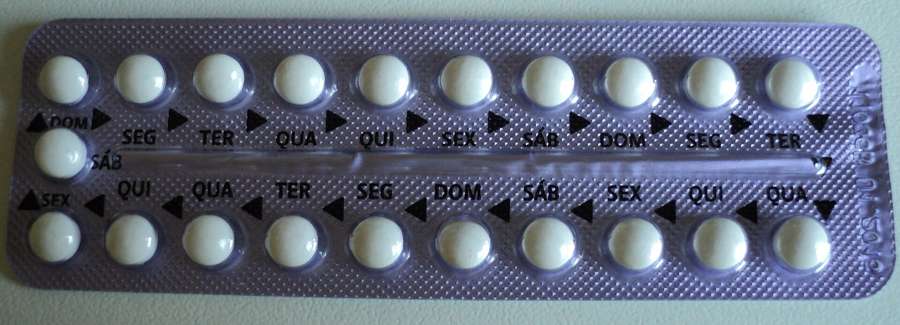
Hormonal contraception - the combined pill, the mini-pill, patches, rings, injections - is prescription-only in Poland. The good news is how wide the prescribing door is: any doctor can write the prescription, not just gynaecologists. A GP at a public clinic, a private doctor, or a telemedicine consultation can all issue it, and once a gynaecologist has chosen a method with you, a primary-care doctor can continue the prescriptions without repeating the specialist visit. Prescriptions are electronic by default: you receive a code by SMS or email and show it at any pharmacy. Condoms, by contrast, need no prescription and are sold in pharmacies, supermarkets and vending machines everywhere.
Emergency contraception is the exception that surprises people. The European Commission reclassified the ulipristal-acetate pill as over-the-counter in 2015, and it is sold without a prescription across the EU - except Poland and Hungary, where a prescription is still required. Poland's workaround, running since 1 May 2024, is a Ministry of Health pilot programme under which pharmacists in participating pharmacies can themselves issue a prescription for the ulipristal pill after a short consultation, for anyone aged 15 or over.
Data source: Ministry of Health, "Antykoncepcja awaryjna" (gov.pl, 30 April 2024), checked 21 October 2026.
The Pharmacy Pilot: Emergency Contraception Without a Doctor's Visit
The pilot has been extended: by a regulation of 22 June 2026 it now runs until 30 June 2028, so it is fully current. The numbers show it is used and functioning: from 1 May 2024 to 30 April 2025 pharmacists held 24,487 consultations and issued 22,601 prescriptions - over 92% of consultations ended with a prescription - and a further 6,825 patients used it in the first quarter of 2026 alone. Participating pharmacies hold contracts with the NFZ; the consultation includes basic education on correct use, side effects and effectiveness.
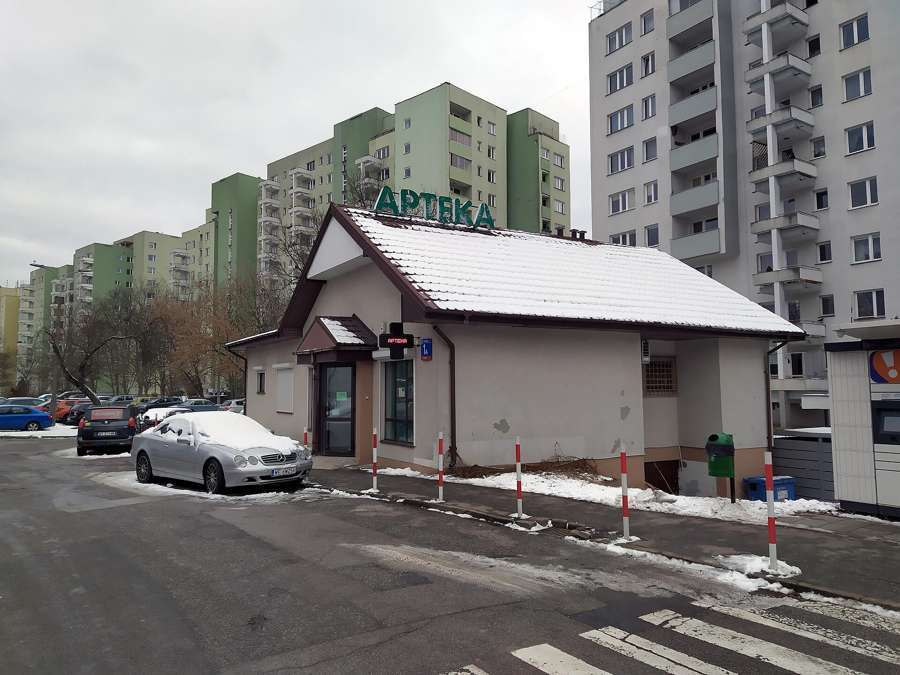
The practical path for a foreigner: find a participating pharmacy, ask for a consultation (konsultacja farmaceutyczna) regarding antykoncepcja awaryjna, and the pharmacist interviews you and issues the prescription on the spot, which they then dispense. Not every pharmacy participates - the programme is contract-based - so in an unfamiliar neighbourhood, expect to try more than one, or ask any pharmacist to point you to a participating one. Timing still matters: ulipristal works best within 72 hours and up to 120 hours after unprotected sex, and levonorgestrel-based options (which a doctor can also prescribe) work within 72 hours, so do not wait for a gynaecology appointment - use the pharmacy route or any doctor the same day.
Data source: Ministry of Health, "Pilotaż dostępu do antykoncepcji awaryjnej w aptekach przedłużony do 30 czerwca 2028 r." (gov.pl, 30 June 2026), checked 21 October 2026.
Seeing a Gynaecologist: No Referral Needed
If you are insured, specialist access is simpler than in many countries: Poland requires no referral to see a gynaecologist under the public system. The NFZ's own guidance says you find a provider through the official "Gdzie się leczyć" (Where to get treatment) search at gsl.nfz.gov.pl, choose the gynaecology specialisation and your location, and book directly. Public-sector waits for a routine visit can be long in big cities, which is why many foreigners use the parallel private system: a private gynaecology visit in Warsaw typically costs in the low hundreds of złoty, gets you seen within days, and ends with the same electronic prescription either way. Telemedicine platforms (Polish ones operate in English) can renew a stable prescription without any visit at all.
Data source: NFZ Academy, "Pierwsza wizyta u ginekologa" (akademia.nfz.gov.pl, updated 5 June 2026), checked 21 October 2026.
What Your Insurance Status Changes
Access rules track insurance, not nationality. If you are insured in Poland - through work, a spouse, student status or voluntary NFZ cover - you have exactly the same access as insured Polish citizens: GP and gynaecology visits, the pharmacy pilot, everything. If you are an EU/EFTA citizen here temporarily, your EHIC card (or its temporary replacement certificate) entitles you to necessary medical care on the same terms as people insured in Poland, including guaranteed health services and refunded medicines; without the card the doctor may bill you and you claim reimbursement from your home insurer later. Citizens of countries with bilateral health agreements (including Serbia, Bosnia and Herzegovina, Montenegro, North Macedonia, Albania and Tunisia) get necessary care for sudden illness when legally staying. Everyone else - and anyone who prefers speed - uses the private system, which is pay-per-visit but genuinely affordable, and pharmacies will fill any valid Polish prescription regardless of who paid for the visit.
One more practical note: IUDs and implants are available but almost entirely private - you pay for both the device and the insertion, typically arranged through private gynaecology clinics.
Data source: Ministry of Health, "Finansowanie leczenia cudzoziemców w Polsce" (gov.pl), checked 21 October 2026.
Conscientious Refusals: Know Your Backup
Polish law lets individual doctors and pharmacists decline to prescribe or dispense on conscience grounds, and reproductive-health products are where foreigners most often meet this. It is not a wall but a detour: a refusal from one pharmacy means the next one - or a participating pilot pharmacy - will usually serve you, and telemedicine removes the in-person variable for routine prescriptions entirely. Plan ahead where possible: keep a buffer month of your regular pill, know one participating pilot pharmacy near home, and save the details of one English-speaking telemedicine service before you need them at 9 pm on a Sunday.
Costs at the Pharmacy Counter
Contraceptive pills in Poland are mostly not refunded by the NFZ, so expect to pay the full retail price - which is nonetheless low by Western standards, with a monthly pack of common combined pills typically costing the equivalent of a casual restaurant meal. Emergency contraception through the pilot is likewise paid out of pocket (the consultation and prescription are the service; the pill itself is a retail purchase). Generic versions are widely stocked, and pharmacists will usually offer the cheaper equivalent if you ask - "Czy jest tańszy zamiennik?" ("Is there a cheaper substitute?") is a useful sentence. If price matters, ask the prescribing doctor to write the generic name; Polish prescriptions can specify it, which lets the pharmacy substitute freely.
Language at the Counter
Pharmacy staff in city centres usually manage basic English, and the pilot consultation can be handled with simple English plus patience. Still, three terms unlock everything: antykoncepcja (contraception), antykoncepcja awaryjna (emergency contraception), and recepta (prescription). Written down on your phone, they survive any pronunciation. For medical visits, booking platforms let you filter doctors by languages spoken, and private-clinic receptionists in Warsaw, Kraków, Wrocław and the Tri-City routinely work in English.
A Foreigner's Setup Checklist
Sort these in your first month and contraception stops being a topic: register with a GP or identify a private clinic; have one gynaecology consultation to choose or review your method; learn your electronic-prescription workflow (IKP account or SMS codes); identify your nearest pilot-programme pharmacy; and set a repeat-prescription reminder a week before each pack ends. After that, the Polish system is routine - cheap, fast, and mostly digital.
Frequently asked questions
Can foreigners get birth control pills in Poland?
Yes. The pill is prescription-only, but any doctor can prescribe - a public GP (no referral to a gynaecologist is needed under NFZ), a private doctor, or a telemedicine service. Prescriptions are electronic and filled at any pharmacy. If you are insured in Poland you have the same access as Polish citizens; otherwise private visits are affordable.
Can you buy the morning-after pill in Poland without a prescription?
Not over the counter - Poland and Hungary are the only EU countries still requiring a prescription. But since May 2024, pharmacists in pharmacies participating in a Ministry of Health pilot can issue the prescription themselves after a consultation, for anyone 15 or older. The pilot was extended on 22 June 2026 and now runs to 30 June 2028.
Do I need a referral to see a gynaecologist in Poland?
No. Under the public NFZ system you book a gynaecologist directly - no referral required - using the official "Gdzie się leczyć" finder. Private clinics also take direct bookings, usually within days.
Does EHIC cover contraception-related care in Poland?
EHIC covers necessary medical care on the same terms as people insured in Poland, including guaranteed services and refunded medicines. Routine, planned care is where the line sits - many visitors simply use affordable private clinics and pay out of pocket, claiming reimbursement from their home insurer where applicable.