Polish Healthcare 101: How to See a Doctor and Use the NFZ System
The essentials: Sign a free declaration (deklaracja) with a local primary-care clinic to get a family doctor, who handles everyday care and referrals. Many specialists need no referral. In a life-threatening emergency, call 112 or 999.
Moving to Poland means learning a new healthcare system before you actually need it. The good news: once you are insured, most care is free at the point of use. The catch: the system has its own logic - a gatekeeping family doctor, a referral culture, and separate rules for nights, weekends and emergencies. This guide walks through how to see a doctor in Poland in 2026, from your first declaration form to the middle-of-the-night options.
How the public system works
Poland runs a single-payer public system built around the Narodowy Fundusz Zdrowia (NFZ), the National Health Fund. If you are insured, you can use clinics and hospitals that hold an NFZ contract without paying at the desk - the fund settles directly with the provider. Coverage is broad: doctor visits, diagnostics, hospital treatment, surgery and partially reimbursed prescription medicines.
Most working residents are insured automatically. Employees pay a health contribution of 9% of the assessment base, deducted from salary alongside social insurance contributions, and close family members - a spouse, children, and in some cases parents living in the same household - can be registered on a worker's insurance. The key principle from the Ministry of Health is simple: if you are insured in Poland, you have the same access to medical care as insured Polish citizens.
Data source: Ministry of Health, "Financing treatment of foreigners in Poland" (gov.pl), checked 21 October 2026.
Who can use the NFZ as a foreigner
Your route into the system depends on your status:
- Working in Poland (employment contract, mandate contract, business activity): your employer or you pay contributions, and you are insured like any Polish worker. Family members can be added to your insurance.
- EU/EFTA citizens on a temporary stay: a valid European Health Insurance Card (EHIC) or a temporary replacement certificate entitles you to necessary medical care on the same terms as people insured in Poland - guaranteed health services, orthopedic appliances and auxiliary devices, and reimbursed medicines. Without the card, a doctor may bill you and you claim reimbursement from your home insurer afterwards.
- Citizens of countries with a bilateral agreement: Poland has signed social security or healthcare cooperation agreements with countries including Albania; if you stay legally and fall suddenly ill or have an accident, the Ministry of Health covers necessary care.
- Everyone else: you can sign a voluntary insurance agreement with the NFZ, or rely on private insurance - but private insurance policies do not open the doors of NFZ-contracted public clinics.
Data source: Ministry of Health, "Financing treatment of foreigners in Poland" (gov.pl), checked 21 October 2026.
Your first step: the family doctor and the deklaracja
Primary care - podstawowa opieka zdrowotna, or POZ - is the front door of the system. Your POZ doctor (lekarz rodzinny, the family doctor) diagnoses and treats common illnesses, issues prescriptions and sick notes, orders basic tests, and writes referrals to specialists and hospitals.
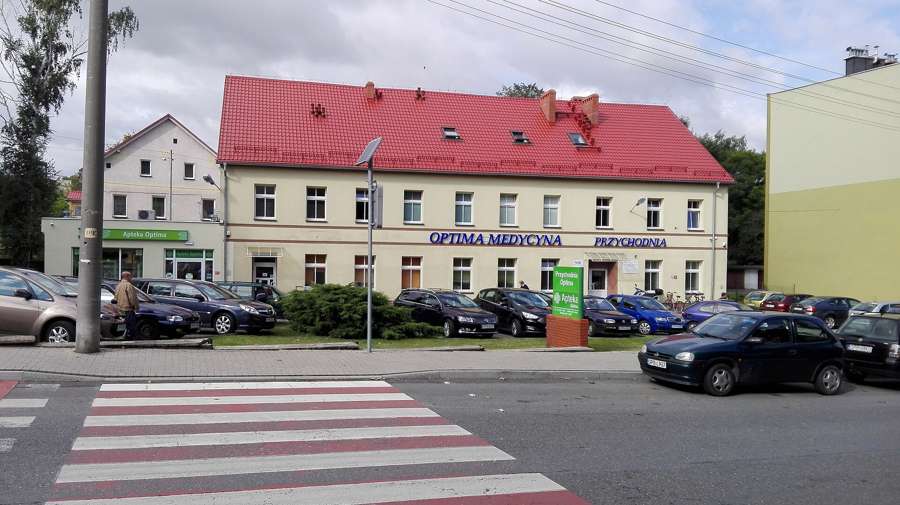
To get one, choose a clinic (przychodnia) with an NFZ contract near where you live and sign a deklaracja - a short declaration picking your doctor, nurse and midwife. The declaration is free and can be filed in writing at the clinic or online through the Internet Patient Account (IKP). You are not locked in: if the fit is wrong, you sign a new declaration elsewhere.
Data source: NFZ, "Primary healthcare" patient information page (nfz.gov.pl), checked 21 October 2026.
Referrals: who needs one and who does not
For most specialist clinics you need a referral (skierowanie) from your POZ doctor or another doctor in an NFZ-contracted facility. A referral is a medical decision, not a formality: according to the Patient Rights Ombudsman, the POZ doctor assesses whether specialist consultation is justified and is not obliged to issue a referral on demand. Hospital treatment also generally requires a referral, with emergencies the big exception.
Some care is deliberately open without any referral. The Patient Rights Ombudsman's navigator lists clinics you can walk into referral-free:
- gynecology and obstetrics;
- oncology;
- psychiatry;
- dentistry;
- venereology;
- psychological, psychotherapeutic and community care for children and young people.
Since 17 September 2025, three more professions joined that list at facilities holding an NFZ contract: sports-medicine doctors, optometrists and psychologists. An optometrist who spots worrying symptoms during an examination can refer you on to an ophthalmologist. The change was designed to shorten the diagnostic path - including for stress and anxiety, where the psychologist route now skips the family-doctor visit entirely.
Data sources: Patient Rights Ombudsman, "New list of specialists available without a referral from 17 September 2025" (gov.pl, 27 October 2025), and Patient Rights Ombudsman Patient Navigator, checked 21 October 2026.
Nights, weekends and holidays
If you fall ill outside clinic hours, you do not need an emergency room. Night and holiday care (nocna i świąteczna opieka zdrowotna) provides POZ-level services from Monday to Friday between 18:00 and 8:00 the next morning, and around the clock on public holidays and days off.
You can go to any night-care point in the country - it does not matter where you live or which doctor holds your declaration. The duty doctor can advise you at the clinic, at your home when medically justified, or by phone. Use it when you have a sudden illness or a sudden worsening that is not life-threatening, home remedies and over-the-counter medicines have not worked, and waiting for your clinic to open could make things worse.
Data source: NFZ, "Night and holiday healthcare" (nfz.gov.pl), checked 21 October 2026.
Emergencies: 112, 999 and the SOR
When a condition threatens life or health, the route is different. Call 112, the general EU emergency number, or 999 for the ambulance service directly - the Ministry of Health lists both for life-threatening situations. You can also go straight to a hospital emergency department (SOR, szpitalny oddział ratunkowy). Emergency care is provided regardless of your paperwork; sorting out entitlement happens later, and uninsured patients can be billed afterwards. For an insured resident, ambulance transport and emergency treatment carry no charge at the point of use.
Data source: Ministry of Health, "Mental Health Centres" page listing emergency contact routes (gov.pl), checked 21 October 2026.
Mental health support
Poland has been rebuilding community mental health care around Centra Zdrowia Psychicznego (CZP) - Mental Health Centres for adults. A CZP offers immediate, free help around the clock, with no referral and no appointment needed. Depending on your needs, that can mean clinic visits, a day ward, a full-time ward, or a community treatment team that visits patients at home. Your first contact is the Punkt Zgłoszeniowo-Koordynacyjny (PZK), which assesses your needs and agrees an initial plan; in urgent cases, admission must be arranged no later than 72 hours from reporting.
Where no CZP operates nearby, psychiatric and addiction-treatment care is available through mental-health clinics and hospital psychiatric wards - and remember, a psychiatrist is one of the specialists you never need a referral for. In an acute psychological crisis, the Centrum Wsparcia helpline for adults is 800 70 2222, with chat and e-mail options alongside.
Data source: Ministry of Health, "Mental Health Centres" (gov.pl), checked 21 October 2026.
The Internet Patient Account
The Internetowe Konto Pacjenta (IKP), at pacjent.gov.pl, is the digital layer of the public system. With an account - usually activated through a trusted profile (Profil Zaufany) or Polish online banking - you can view e-prescriptions and e-referrals, check your treatment history, and file your POZ declaration online instead of visiting the clinic with a pen. After any doctor visit, the prescription lands in your account; at the pharmacy, the four-digit prescription code plus your PESEL number is enough to collect the medicine.
Data source: NFZ, "Primary healthcare" patient information page describing the online declaration route (nfz.gov.pl), checked 21 October 2026.
When expats go private
The public system covers everything medically necessary, but waiting lists for some non-urgent specialists and procedures can be long. Poland's large private sector fills that gap: commercial clinic chains offer same-week GP and specialist appointments for a per-visit fee, and many employers bundle a private medical subscription into the benefits package. Private care and NFZ care are parallel tracks - a private doctor can diagnose and prescribe, but a referral into the NFZ hospital system still comes from the public side. Many residents use both: the NFZ for hospitals, emergencies and chronic care, private visits for speed and convenience.
Practical tips for your first visit
- Bring your passport or residence card and proof of insurance: your EHIC card, evidence of employment contributions, or your NFZ voluntary-insurance confirmation.
- Check that the clinic or specialist holds an NFZ contract for the service you need - the no-referral rules for psychologists, optometrists and sports-medicine doctors apply only in contracted facilities.
- Polish is the default language of care. In big cities many doctors speak English, but for important visits consider bringing a Polish-speaking friend or asking the clinic in advance.
- Sign your deklaracja before you need it. Registering takes minutes and saves real stress on the day you wake up with a fever.
- Save 112 and 999 in your phone, and find your nearest night-care point before the first weekend.
Frequently asked questions
Do I pay to see a doctor in Poland if I am insured with the NFZ?
No. Visits to doctors, specialists and hospitals that hold an NFZ contract are free at the point of use for insured patients; the fund pays the provider. You only pay out of pocket if you use a private provider or receive services outside the guaranteed benefits package.
Which specialists can I see without a referral?
Gynecology-obstetrics, oncology, psychiatry, dentistry, venereology, and psychological and psychotherapeutic care for under-18s are all referral-free. Since 17 September 2025, sports-medicine doctors, optometrists and psychologists also accept patients without a referral at NFZ-contracted facilities.
What should I do if I get sick at night or on a weekend?
Use night and holiday care (nocna i świąteczna opieka zdrowotna), open weekdays 18:00-8:00 and 24 hours on days off. You can visit any point in Poland, regardless of where your family-doctor declaration is filed.
What are the emergency numbers in Poland?
Call 112 for the general emergency number or 999 for an ambulance in any life-threatening situation. You can also go directly to a hospital emergency department (SOR).
Sources
- NFZ - Primary healthcare patient information
- NFZ - Night and holiday healthcare
- Patient Rights Ombudsman - specialists without a referral from 17 September 2025
- Patient Rights Ombudsman - Patient Navigator
- Ministry of Health - Financing treatment of foreigners in Poland
- Ministry of Health - Mental Health Centres