Alcohol Laws in Poland: Public Drinking, Purchase Rules and Fines
The essentials: Since 2018, drinking alcohol in public is banned across Poland except licensed bars and restaurants and zones designated by municipal councils, such as Warsaw Vistula boulevards. Violations bring an on-the-spot fine. The purchase age is 18 and ID checks are routine.
Poland's alcohol rules catch foreigners in two directions: some are stricter than expected (drinking in public is banned almost everywhere), others looser (no national closing hours for shops selling alcohol). The framework sits in one statute - the Act on Upbringing in Sobriety and Counteracting Alcoholism - and knowing its main lines keeps you out of fine territory. Here is what the law actually says in 2026.
The basic rule: no drinking in public
Since 9 March 2018, Polish law bans consuming alcohol in all public places, with one built-in exception: places designated for on-site consumption at licensed sales points - meaning bars, restaurants and cafes with an alcohol permit. Parks, streets, squares, benches by the river, bus stops: all covered by the ban by default.
Drinking in violation of the ban is a petty offence (wykroczenie) under Article 43(1) of the Act, punishable by a fine; even an attempt is punishable, and the alcohol involved can be forfeited. In practice, police and municipal guards (straz miejska) issue on-the-spot fines, and enforcement tightens in summer and around events.
Data source: Act on Upbringing in Sobriety, art. 14 and art. 43(1), consolidated text Dz.U. 2023 poz. 2151 (eli.gov.pl), checked 21 October 2026.
The exception that matters: council-designated zones
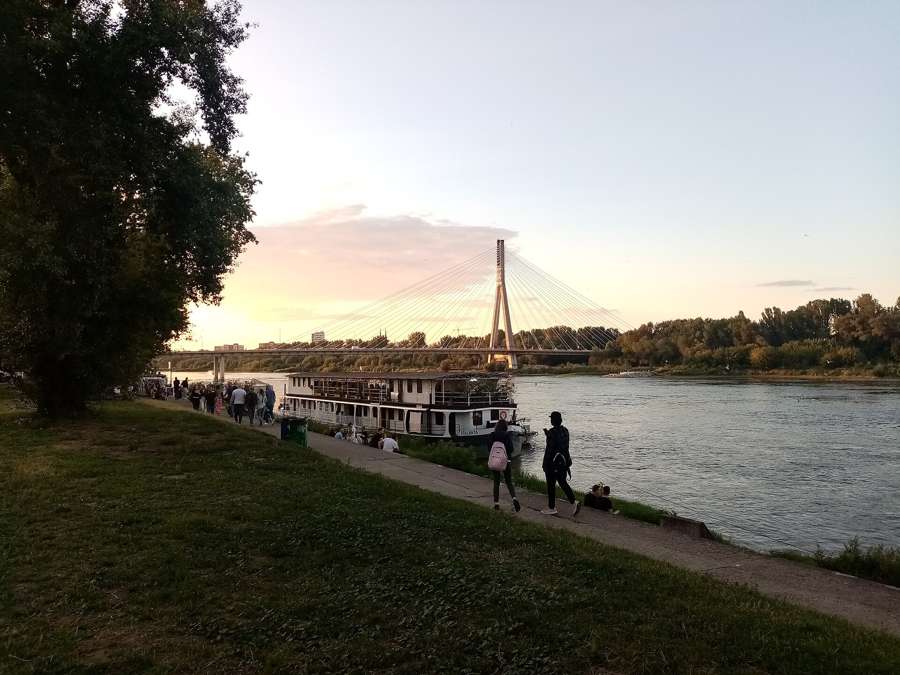
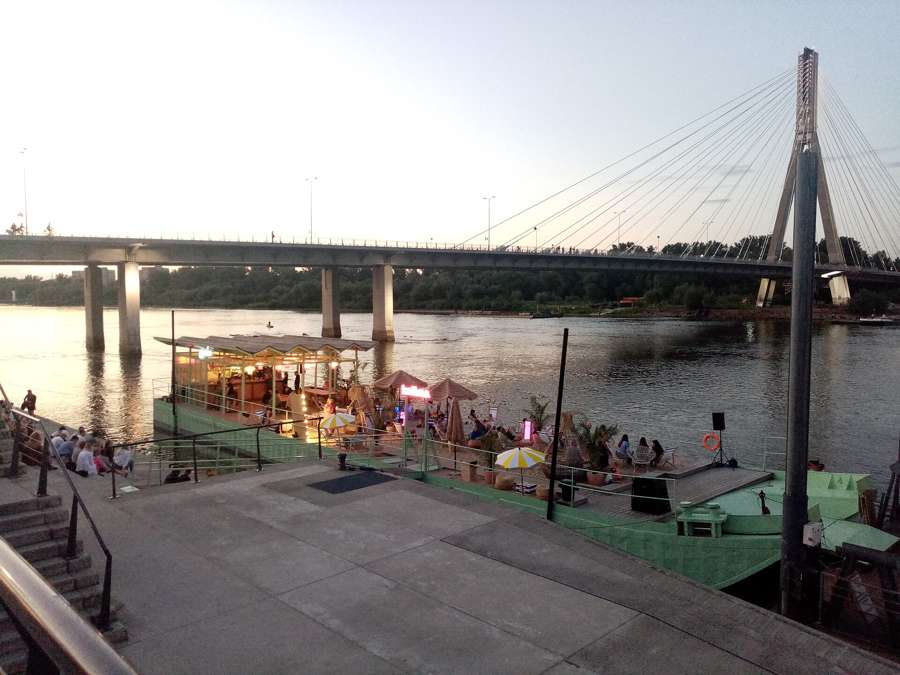
Municipal councils can carve out exceptions. Under Article 14(2b), a gmina council may by resolution permit drinking in a specific public place if it judges this will not harm anti-alcohol policy or public order. The most famous example is Warsaw's Vistula boulevards: since 20 April 2018, a city-council resolution has allowed drinking on the boulevards along the Flotylli Wislanej, Grzymaly-Siedleckiego, Pattona, Karskiego and Religi stretches, between the riverbank and the cycle path or walkway - and after a legal challenge, the Supreme Administrative Court upheld the resolution on 25 January 2023.
The lesson generalizes: the public-drinking ban is national, but the map of exceptions is local. Before drinking outdoors anywhere in Poland, check whether your city has designated a zone - most have not.
Data source: City of Warsaw notices on the boulevard alcohol zone (um.warszawa.pl, 6 April 2018 and 25 January 2023), checked 21 October 2026.
Places where alcohol is always off-limits
Article 14(1) of the Act bans the sale, serving and consumption of alcohol outright in:
- schools and other educational and care facilities, including student dormitories;
- workplaces and staff canteens;
- places and times of mass gatherings;
- public transport - with narrow exceptions: dining and buffet cars on domestic trains may serve drinks up to 4.5% alcohol and beer; international trains, airport international zones, aircraft on international routes and seagoing ships follow their own allowances.
Bringing your own alcohol into workplaces, stadiums and sports or entertainment venues is separately banned by Article 16. At stadiums and open-air events, drinks above 4.5% may be sold only with a permit and only in designated areas.
Data source: Act on Upbringing in Sobriety, art. 14-16, Dz.U. 2023 poz. 2151, checked 21 October 2026.
Buying alcohol: age, ID and hours
The purchase rules are simple and strictly enforced:
- 18 is the minimum age. Article 15(1) bans selling or serving alcohol to under-18s - and to visibly intoxicated persons of any age, or on credit.
- ID checks are the seller's right. Under Article 15(2), a seller who doubts a buyer's age may demand a document proving it. Carrying ID is the practical answer; looking younger than 25 will get you carded.
- Hours are local. There is no national night-time sales ban for shops, but Article 14(6) lets municipal councils restrict sales, serving, consumption and even carrying of alcohol in specific areas or times - several cities use this for late-night off-licence restrictions in their centres, so check your city's rules rather than assuming a 24-hour shop can always sell.
Data source: Act on Upbringing in Sobriety, art. 14-15, Dz.U. 2023 poz. 2151, checked 21 October 2026.
Drinking and driving: effectively zero
Poland's drink-driving thresholds are among Europe's strictest and are covered in detail in our Driving 101 guide: between 0.2 and 0.5 per mille blood alcohol is a misdemeanour, and above 0.5 per mille is a crime under Article 178a of the Criminal Code, carrying up to three years in prison. Cyclists are covered too. The only safe rule after drinking is not driving at all.
Data source: Polish Police guidance on states of intoxication (policja.gov.pl), checked 21 October 2026.
How selling alcohol is licensed
Every bar, shop and restaurant selling alcohol needs a municipal permit (zezwolenie) issued by the local wojt, burmistrz or city president for that specific outlet. Permits come in three strength tiers - up to 4.5% alcohol and beer, above 4.5% to 18%, and above 18% - and before granting one, the authority must obtain a positive opinion from the gmina's anti-alcohol commission that the location complies with council resolutions. Those resolutions matter more than most foreigners realize: municipal councils can cap the total number of alcohol outlets and set minimum distances from schools, churches and other sensitive sites. This is why some Polish neighbourhoods have a shop on every corner selling beer while others have none - it is a local-policy choice, not a market accident. At the wholesale level, trading in drinks above 18% requires a permit from the minister responsible for the economy; up to 18%, from the voivodeship marshal.
Data source: Act on Upbringing in Sobriety, art. 9, 12 and 18, Dz.U. 2023 poz. 2151, checked 21 October 2026.
A short history: the 2018 flip
The Act dates from 26 October 1982, and for most of its life the rule worked in reverse: drinking was banned only in the places the statute listed, so anything not listed was effectively allowed. That produced the familiar summer image of people drinking by rivers and in parks, and endless municipal attempts to ban it street by street. An amendment that entered into force on 9 March 2018 flipped the default: the ban now covers all public places by default, with licensed venues as the statutory exception and council-designated zones as the local one. Warsaw passed its Vistula-boulevards resolution within weeks - in force since 20 April 2018 - precisely because the new default would otherwise have outlawed the boulevards' long-standing drinking culture. When the resolution was challenged, the Supreme Administrative Court confirmed on 25 January 2023 that the council had acted within its powers.
Data source: Act of 14 December 2017 amending the Upbringing in Sobriety Act (in force 9 March 2018) and City of Warsaw notices (um.warszawa.pl, 2018 and 2023), checked 21 October 2026.
Advertising is restricted too
One more rule surprises visitors: advertising alcohol is banned across Poland, with beer as the sole exception - and beer ads face strict conditions. They cannot target or depict minors, cannot link drinking with physical fitness or driving, cannot claim health or calming benefits, cannot portray abstinence negatively, and cannot associate beer with sex appeal, relaxation, studying or professional success. Beer commercials are also banned on television, radio, cinema and theatre between 6:00 and 20:00, except during professional sports events, and cannot appear in children's or youth press or on magazine covers. This is why you see beer branding at football stadiums but never a vodka billboard campaign.
Data source: Act on Upbringing in Sobriety, art. 13(1), Dz.U. 2023 poz. 2151, checked 21 October 2026.
What enforcement looks like
Fines for public drinking are issued on the spot by police or municipal guards, and the bottle can be confiscated. Selling to a minor carries far heavier consequences for the seller - including loss of the alcohol permit - which is why ID checks are consistent. During summer, patrols concentrate on parks, riverbanks and beaches precisely because newcomers and tourists misread the local norm: the sight of people drinking legally on Warsaw's boulevards creates the false impression that parks everywhere are fair game. They are not.
Practical tips
- Assume every outdoor space bans alcohol unless your city has formally designated otherwise.
- Carry ID if you plan to buy alcohol, whatever your age.
- On trains, only the dining or buffet car is a drinking space - a beer in a regular carriage breaks the ban.
- House parties and private property are unaffected by the public-place rules; the ban targets public places.
- If fined, you can pay on the spot by card; ask for the receipt.
- When in doubt about a local exception zone, the city hall (urzad miasta) website publishes the resolution.
Frequently asked questions
Can you drink alcohol in public in Poland?
No - since 9 March 2018, drinking in public places is banned everywhere except licensed on-premises venues and specific zones designated by a municipal-council resolution, such as Warsaw's Vistula boulevards. Violations bring an on-the-spot fine.
What is the legal drinking age in Poland?
18. Selling or serving alcohol to under-18s or to visibly intoxicated persons is banned, and sellers may demand ID whenever they doubt a buyer's age.
Can you buy alcohol at night in Poland?
There is no national night-time sales ban, but municipal councils can restrict sales hours or areas by resolution, and several cities limit late-night off-licence sales in their centres. Check your city's rules.
Can you drink on a train in Poland?
Only in dining and buffet cars, and only drinks up to 4.5% alcohol or beer on domestic routes. Drinking in a regular carriage is banned, as is alcohol on other public transport.