Best Day Trips From Kraków: Salt Mines, Tatras and Castles (2026)
The essentials: Wieliczka Salt Mine (tickets from 82 zl, 20 min by train), the Auschwitz-Birkenau Memorial (free entry, online cards only), Zakopane (1h57 by Pendolino) and Ojcow National Park (free entry) are the essential day trips.
Kraków is Poland's most visited city, but some of the country's most remarkable sights sit within an hour or two of it: a cathedral carved from salt, the Tatras' alpine ridge, a limestone valley of castles and caves, and the Auschwitz-Birkenau Memorial. For expats based in Kraków - or visiting for more than a weekend - these are the four day trips that justify setting an early alarm, with current prices, booking rules and journey times from official sources. All four are doable without a car, which matters for expats who have not yet swapped their driving licence or bought one.
Wieliczka Salt Mine: the underground cathedral
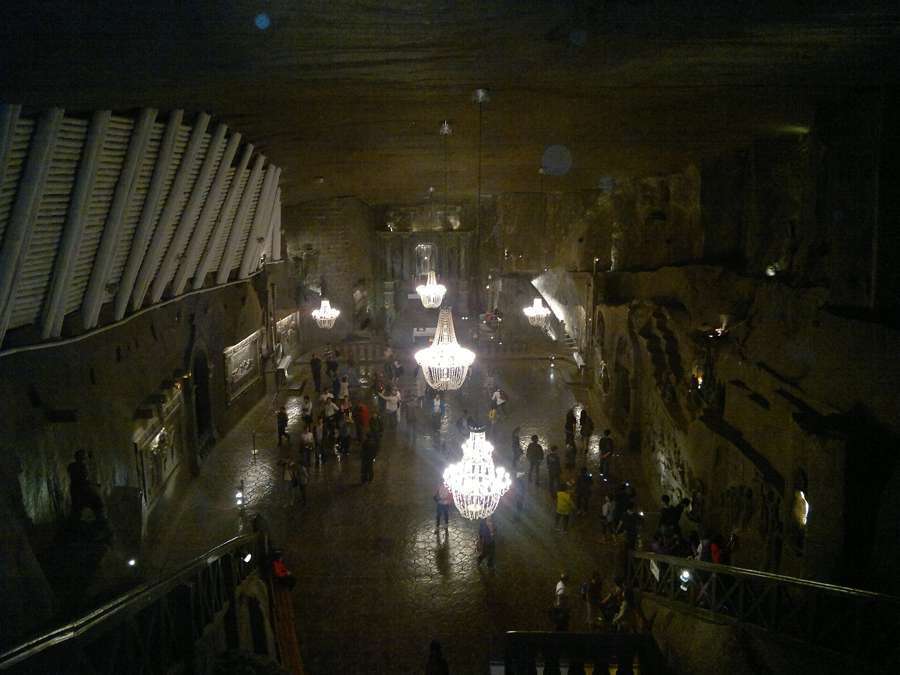
The Wieliczka Salt Mine, a UNESCO World Heritage site about 15 km southeast of the centre, has been worked since the 13th century. The Tourist Route covers 3.5 km of corridors and descends to 135 metres underground, passing mining chambers, saline lakes and chapels carved by generations of miners. The highlight is the Chapel of St. Kinga - a full church cut from rock salt, from the floor tiles to the chandeliers. The temperature underground holds around 14-16°C whatever the season, so bring a layer even in August. The whole visit takes about two to three hours, which leaves time for the town's graduation tower and park above ground.
Visits are guided only, in several languages. The route is open daily from 8:00 to 18:00, and tickets - normal, reduced and family - start from 82 zł per person; buy online in advance, especially in summer and around holidays. Getting there takes about 20 minutes on suburban trains from Kraków Główny to Wieliczka Rynek-Kopalnia station, a short walk from the entrance, and city buses also serve the town.
Data source: kopalnia.pl official Tourist Route page, checked 22 October 2026.
Auschwitz-Birkenau: a necessary, demanding visit
The Auschwitz-Birkenau Memorial in Oświęcim, about 70 km west of Kraków, is not a tourist attraction in the ordinary sense, but most long-term residents of Poland go once. Plan it properly, because the rules changed recently. Admission to the grounds is free of charge, but every visitor needs an entry card - and since 1 March 2025, entry cards are issued only online at visit.auschwitz.org, the museum's only official booking site. Slots without an educator are free; a standard guided tour of about 3.5 hours costs 150 zł per person in a language other than Polish and 140 zł reduced, under the museum price list valid from 2 January 2026. Free passes for unguided visits can be reserved no later than 7 days before the visit, subject to availability, and popular dates sell out.
The standard tour covers both parts of the complex: Auschwitz I, where the original brick barracks hold the exhibitions, and Auschwitz II-Birkenau, the vast extermination camp a few minutes away - a free museum shuttle links the two sites. The museum does not recommend visits for children under 14. Arrive at least 30 minutes before your slot for security checks. Getting there: Lajkonik buses run from Kraków directly to the museum car park, and Oświęcim railway station is about 1,500 metres from the site entrance.
Data source: auschwitz.org official visiting pages and 2026 entry-pass price list, checked 22 October 2026.
Zakopane and the Tatras: mountains in under two hours
Poland's winter capital sits at the foot of the Tatras, the country's only alpine range. The journey used to be the drawback, but PKP Intercity's 2025/2026 timetable, in force since December 2025, put Pendolino trains on the route: the fastest EIP service now covers Kraków to Zakopane in 1 hour 57 minutes, and new EIP and EIC trains also link Zakopane with Warsaw and the Tri-City. The train makes Zakopane a realistic day trip rather than an overnight slog. Buses from the station area remain the alternative, but weekend traffic on the Zakopianka road can double the journey time.
A day is enough for the Krupówki promenade, the funicular up Gubałówka for the panorama, or the cable car to Kasprowy Wierch. For actual hiking, remember that the trails above Zakopane - Morskie Oko, Giewont, the high ridge routes - lie inside Tatra National Park, which charges entry: 11 zł for a normal day ticket and 5.50 zł reduced, buyable online in advance or at entry points. Late autumn is quieter than ski season, though cable cars schedule maintenance closures, so check operating status before you go.
Data source: PKP Intercity timetable announcement of 17 October 2025 and tpn.gov.pl, checked 22 October 2026.
Ojców National Park: castles and caves in a limestone valley
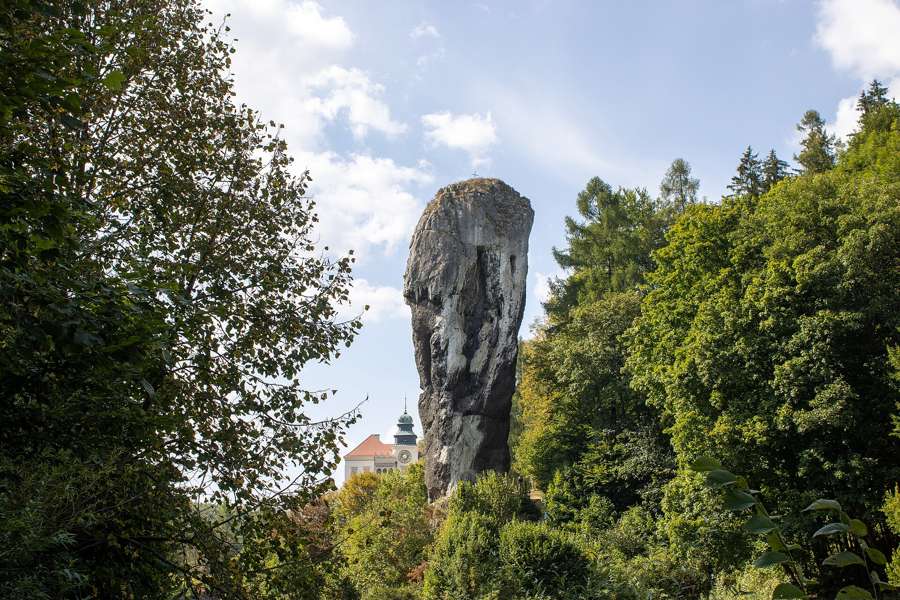
Poland's smallest national park packs an improbable amount into the Prądnik valley, about 25 km northwest of Kraków. White limestone monoliths rise over the trees - the most famous, the Maczuga Herkulesa (Hercules' Club), stands beside the Renaissance castle at Pieskowa Skała - and the ruins of the 14th-century Kazimierz castle watch over Ojców village itself. Marked trails thread the valley past caves once used as shelters; the Jaskinia Łokietka (Łokietek Cave) can be visited with a guide for 30 zł normal and 21 zł reduced. Entry to the park grounds themselves is free.
Ojców works in every season - wildflowers in spring, cool ravines in summer, foliage in October - October turns the valley into one of the best foliage walks near Kraków, and drivers can extend the trip along the Eagles' Nests, the chain of medieval watchtower castles strung across the Kraków-Częstochowa Jura. Without a car, local buses reach the valley from Kraków, though weekend services thin out, so check return times before you set off.
Data source: Ojców National Park official site (opn.gov.pl), checked 22 October 2026.
How to plan: practical notes for expats
Book ahead for the two big draws. Wieliczka and Auschwitz both use timed entry; Auschwitz cards exist only online, and both sell out in summer and around holidays. Give the memorial its own day - pairing it with the salt mine or Zakopane in one run is technically possible but emotionally and logistically unwise, since the visit alone takes around 3.5 hours. Book trains early too: PKP Intercity tickets include a seat reservation and rise in price closer to departure, and the morning Pendolinos to Zakopane fill fast on weekends. Check closure dates on official sites before travelling: museums and cable cars keep maintenance windows, especially in November. Carry a card and a little cash - ticket offices take cards, but small mountain stalls and some park cash desks may not. And in winter, build slack into any Zakopane plan: snow can slow both the road and the railway.
Data source: official visitor rules of the attractions listed above, checked 22 October 2026.
Frequently asked questions
What is the easiest day trip from Kraków?
Wieliczka Salt Mine: about 20 minutes by suburban train, guided tours in several languages, and tickets from 82 zł. The Tourist Route - 3.5 km long, 135 metres deep - runs daily 8:00-18:00.
Do I need to book Auschwitz in advance?
Yes. Since March 2025 all entry cards - including free unguided ones - are issued only online at visit.auschwitz.org, and slots sell out. Guided 3.5-hour tours cost 150 zł in non-Polish languages (140 zł reduced) under the price list valid from 2 January 2026.
How long is the train from Kraków to Zakopane?
The fastest EIP Pendolino takes 1 hour 57 minutes under PKP Intercity's 2025/2026 timetable; slower trains take longer. Remember that Tatra trails require a national-park entry ticket - 11 zł per day, 5.50 zł reduced.
Is Ojców National Park free?
Yes, entry to the park grounds is free. Individual sights charge separately - Łokietek Cave costs 30 zł (21 zł reduced) - and Pieskowa Skała castle has its own tickets.
Can children visit Auschwitz?
The museum does not recommend visits for children under 14. Families with younger children often split the day: one adult visits the memorial while the other explores Oświęcim or waits at the visitor centre.
Can I visit the salt mine and Auschwitz in one day?
Bundled tours do it, but both deserve time - the memorial alone takes around 3.5 hours and is emotionally heavy. Two separate half-days is the better plan.
Which of these trips work in winter?
Wieliczka runs year-round at a constant 14-16°C underground, and the Auschwitz Memorial is open all year (check holiday closures). Zakopane is in its element in ski season, while Ojców stays walkable in mild weather - though the Łokietek Cave keeps seasonal hours, so check the park site before going in the colder months. * Photos: St. Kinga's Chapel in the Wieliczka Salt Mine by Mark Healey, CC BY-SA 2.0; Maczuga Herkulesa in Ojców National Park by Aparat.tarnowski, CC BY-SA 4.0, both via Wikimedia Commons.