Best Warsaw Neighborhoods Near International Schools (2026)
The essentials: Mokotow hosts the densest cluster - the British School, three Canadian School campuses and the French lycee primary - while Wilanow has three schools of its own and Konstancin hosts the American School.
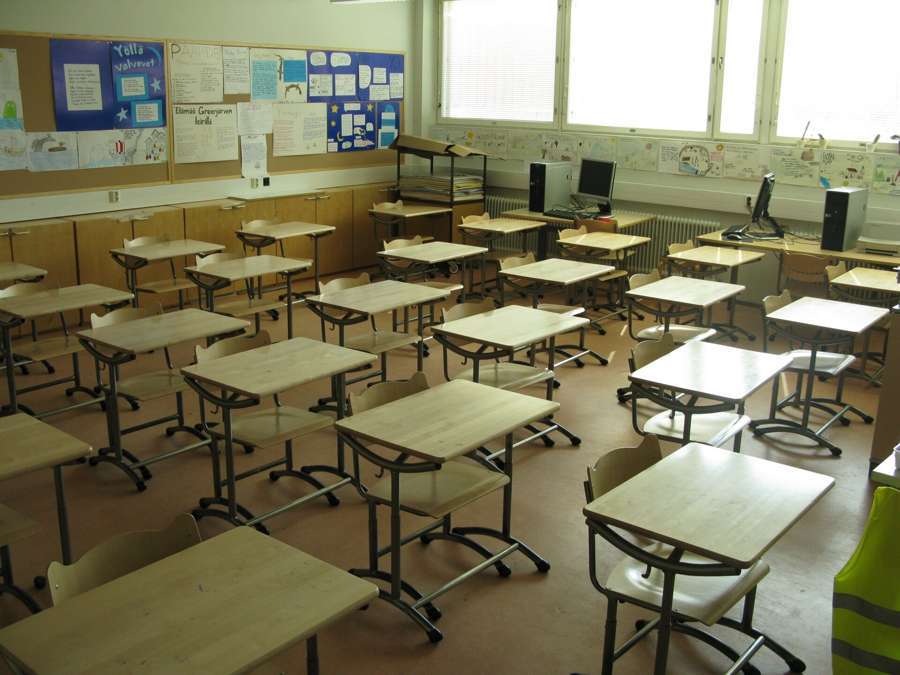
For expat families, the school usually comes first - and the flat follows. Warsaw's international schools cluster in a handful of districts, mostly in the city's south, and where you enroll determines your mornings, your commute and your rent. This guide maps the main international and bilingual schools to their neighborhoods, with verified addresses and current rent data, so you can shortlist areas before you start apartment hunting. One warning up front: fees at private international schools in Warsaw vary widely by school and year group and change annually, so treat this article as a map of where schools are, and get current fee schedules from each admissions office directly.
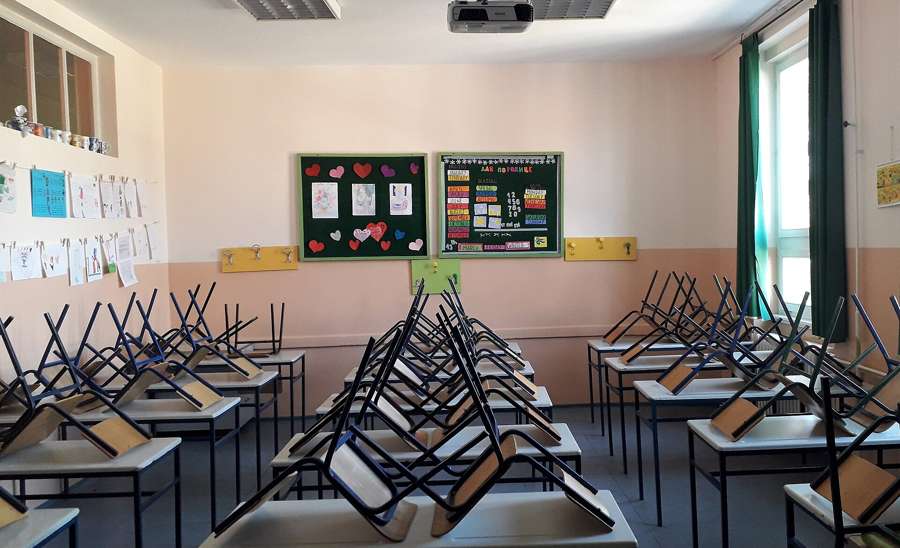
Wilanów: three schools and family-first housing
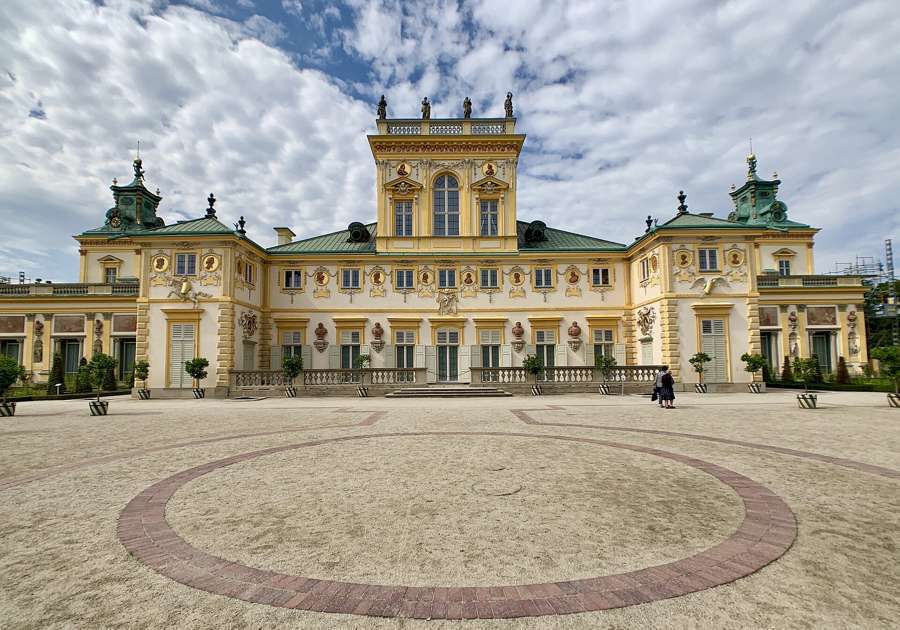
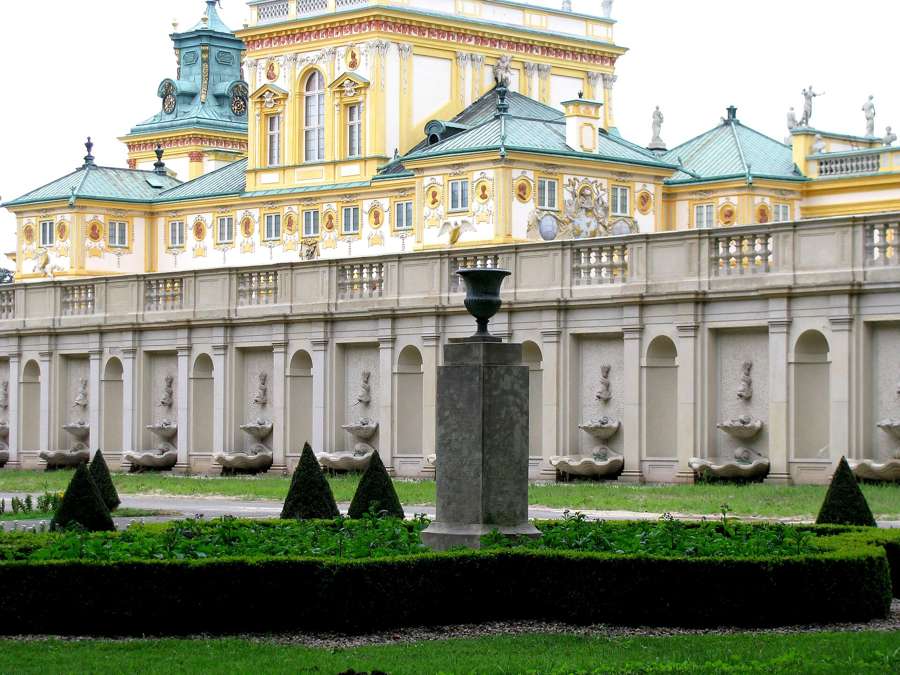
Wilanów is the strongest single-district bet for internationally minded families. Three schools sit inside its borders: the International European School (IES Warsaw) at ul. Wiertnicza 140, teaching in English from kindergarten through high school; the Polish-German Willy Brandt School at ul. św. Urszuli Ledóchowskiej 3, a bilingual German-Polish school from primary through secondary; and Akademeia High School next door at Ledóchowskiej 2, a private high school running a British-style A-Level programme.
The lifestyle fit is excellent: modern housing estates with playgrounds, the Wilanów Palace park as your weekend garden, and a direct tram to the city centre since October 2024 - about 30 minutes on lines 14 or 16, extended to the Stegny branch in mid-2025. The cost is real: Wilanów is Warsaw's most expensive district, with an average asking rent of 5,282 zł per month in the Znajdź Najem index for October 2026.
Data source: school official websites, ZTM and the Znajdź Najem rental index for October 2026, checked 22 October 2026.
Mokotów: the classic expat-school district
Mokotów, greener and closer to the centre, hosts the densest set of international schools in Warsaw. The British School Warsaw (part of the Nord Anglia group) runs its primary and secondary campus at ul. Limanowskiego 15, with a separate Early Years Centre at ul. Dąbrowskiego 84 - note the two-campus split if you have children of different ages. The Canadian School of Warsaw operates three Mokotów campuses: Bełska 7, Olimpijska 11 and Krasickiego 53. And in Sadyba, Mokotów's quiet southern wedge, the Lycée Français René Goscinny has its preschool and primary campus at ul. Konstancińska 13.
Beyond schools, Mokotów is the practical expat classic: metro line M1 runs through the district, which matters once children travel independently, and the housing stock ranges from pre-war villas to new apartment blocks around Pole Mokotowskie, one of the city's largest parks. Rents averaged 4,136 zł in the October 2026 Znajdź Najem index - high, but a fifth below Wilanów.
Data source: school official websites and Znajdź Najem, October 2026, checked 22 October 2026.
Saska Kępa and Praga-Południe: the French lycée's other half
Across the river, the leafy embassy quarter of Saska Kępa hosts the Lycée Français René Goscinny's collège and lycée campus at ul. Walecznych 4/6 - so French-curriculum families with older children should look at the right bank, not Mokotów, while those with small children need Sadyba. The International Trilingual School of Warsaw (ITSW) also has a Saska Kępa campus at ul. Jana Styki 17/19.
Saska Kępa itself is prized for its village feel, modernist villas, cafe-lined Francuska street and proximity to Skaryszewski Park. Praga-Południe as a whole is considerably cheaper than the school districts on the left bank: 3,386 zł average asking rent in October 2026 - and the lycée address is a big part of why the quarter attracts French-speaking families.
Data source: Lycée Français de Varsovie and ITSW official contact pages; Znajdź Najem, October 2026, checked 22 October 2026.
Powiśle: a central option
ITSW's second campus sits at ul. Karowa 14/16 in Powiśle, the central riverfront district of Śródmieście. For families working in the city centre who want a multilingual school within walking or cycling distance of downtown, it is the most central international option in Warsaw. Central rents run high and family-sized flats are scarcer than in the southern districts, but the trade-off is a commute measured in minutes and the Vistula boulevards at the end of the street.
Data source: ITSW official contact page, checked 22 October 2026.
Konstancin-Jeziorna: the American school, just outside the city
The American School of Warsaw (ASW) is not in Warsaw at all: its campus sits at Bielawa, ul. Warszawska 202, in Konstancin-Jeziorna, the historic spa town just south of the city limits. Many families either live in Konstancin itself - Warsaw's classic garden suburb of villas and pine trees, popular with diplomats - or in Wilanów, from which a paved bike path runs all the way to the school. Public transport works too: city buses from the Metro Kabaty terminus stop at Osiedle Konstancja near the campus.
ASW teaches an American curriculum and is the default choice for US-curriculum families; its location means the school-run question should shape your housing search from day one.
Data source: American School of Warsaw official contact and directions pages, checked 22 October 2026.
The public-school alternative
International fees are not the only path. Under Ministry of National Education rules, children arriving from abroad aged 7-18 attend Polish public schools on the same terms as Polish children, and those who do not yet speak Polish are entitled to additional Polish-language lessons of at least two hours per week (up to five hours including compensatory classes). Schools can also run preparatory classes - intensive language and adaptation groups, typically for up to one school year - before a child joins regular Polish classes. Some expat families use a local public school for the early years and switch to an international school later, which also opens up cheaper districts with no international campus.
Data source: Ministry of National Education guidance for children arriving from abroad, checked 22 October 2026.
How to choose: five practical filters
Curriculum first: British (British School, Akademeia, ITSW's English track), American (ASW), French (LFV, part of the AEFE global network), German (Willy Brandt) or international (IES). Second, the language of daily life - a bilingual school only works long-term if you can support the second language at home. Third, the campus map: the British School and the LFV both split age groups across sites, so plot every campus your family would use before signing a lease. Fourth, the commute: Mokotów's metro, Wilanów's tram and the Kabaty bus link define realistic morning journeys. Fifth, timing: Warsaw's popular international schools fill early, and waiting lists for the youngest year groups are common - start admissions conversations months before you need the place, and before you commit to a district.
Data source: school official websites and campus addresses as verified 22 October 2026.
Frequently asked questions
Which Warsaw neighborhood has the most international schools?
Mokotów: the British School Warsaw (two campuses), the Canadian School of Warsaw (three campuses) and the French lycée's primary campus in Sadyba are all in the district, which also has metro line M1 and a 4,136 zł average rent (October 2026).
Where should we live for the American School of Warsaw?
ASW is in Konstancin-Jeziorna, just south of Warsaw. Families typically live in Konstancin itself or in Wilanów; buses from Metro Kabaty serve the campus, and a bike path connects it with Wilanów.
Are there English-language schools in Wilanów?
Yes. The International European School (Wiertnicza 140) teaches in English from kindergarten to high school, and Akademeia High School (Ledóchowskiej 2) runs a British A-Level programme. Wilanów averaged 5,282 zł rent in October 2026 - Warsaw's most expensive district.
Is the French school in one place?
No. The Lycée Français René Goscinny splits its campuses: preschool and primary in Sadyba (Konstancińska 13), collège and lycée across the river in Saska Kępa (Walecznych 4/6). Check which campus your children's ages require before choosing where to live.
Can my child attend a Polish public school instead?
Yes. Children from abroad aged 7-18 have the right to attend public schools on the same terms as Polish children, with extra Polish-language support - at least two hours a week - if they need it, and intensive preparatory classes for up to a year.
Do Warsaw international schools have waiting lists?
The popular ones often do, particularly for the youngest year groups and at the start of the school year. Some families secure a school place before signing a lease and then house-hunt within commuting range of the campus.
When should we apply to Warsaw international schools?
As early as possible - ideally several months before the intended start. Waiting lists for the youngest year groups are common, and admissions decisions should drive your housing choice, not follow it. * Photos: Elementary school classroom in Vantaa, Finland by Leo-setä, CC BY 2.0; empty classroom by Dobrislava, CC BY-SA 4.0, both via Wikimedia Commons.