Living in Wilanów With Children: An Expat Family Guide
The essentials: Wilanow suits expat families who can afford Warsaw's highest rents (5,282 zl average in October 2026): new housing, IES and Willy Brandt schools in the district, a direct tram to the centre since October 2024, and the Wilanów Palace park for weekends.
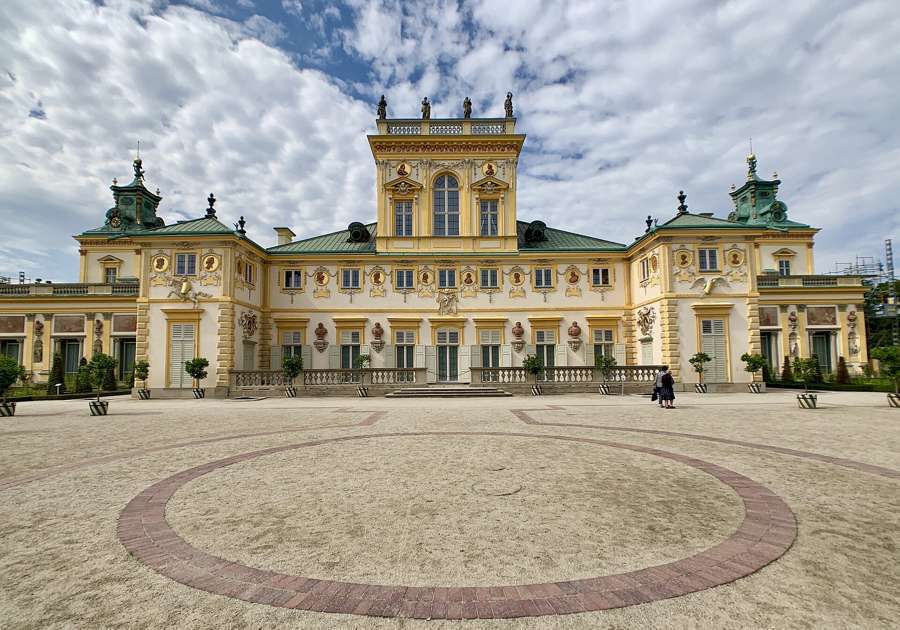
Wilanów is Warsaw's southernmost district and one of its youngest - a former royal village that has turned into the city's fastest-growing family suburb, built around new mid-rise estates, playgrounds and the baroque palace of King Jan III Sobieski. For expat families it offers a rare combination: new housing stock, several international schools within the district, serious green space, and - since October 2024 - a direct tram to the city centre. It is also Warsaw's most expensive district to rent in. Here is an honest, sourced look at living in Wilanów with children.
The district in numbers
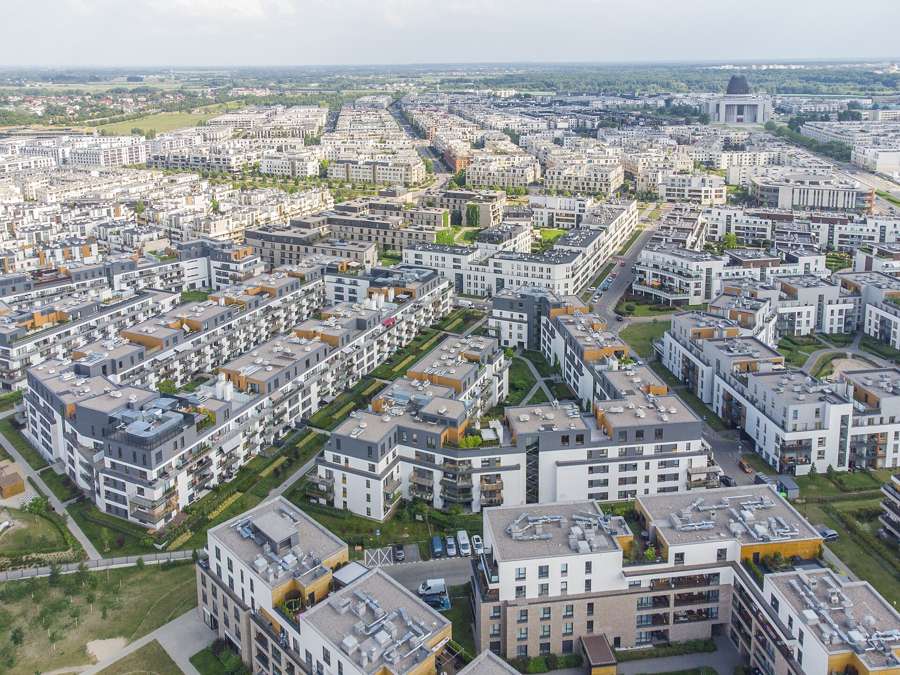
Wilanów covers 36.73 km² and had 44,940 registered residents as of 31 May 2025, according to the district office - a figure that keeps climbing as new estates in Miasteczko Wilanów fill up. The population skews young: families with small children dominate the new developments, which shows in the density of playgrounds, nurseries and family services, and in the district office's own event calendar, heavy on family festivals and nature walks.
Data source: Wilanów district office, "Dzielnica w liczbach", published 18 June 2025, checked 22 October 2026.
Housing: the most expensive district in Warsaw
The main trade-off is price. According to the Znajdź Najem rental index for October 2026 (based on 47,836 listings, sample saved 22 October 2026), Wilanów is Warsaw's most expensive district, with an average asking rent of 5,282 zł per month across 1,064 analysed offers - against a citywide average of 3,573 zł (median 3,200 zł, or 84 zł/m²). For size context across Warsaw, two-room flats averaged 3,503 zł and three-room flats 4,518 zł; in Wilanów expect to land at or above those figures for comparable space. Citywide, a separate Otodom rental report for September 2026 put Warsaw's average asking rent at about 4,800 zł - the highest in Poland.
What the premium buys: almost everything is new or recent, lifts and underground parking are standard, and buildings are designed with families in mind - courtyards, storage for prams and bikes, playgrounds on the estate. When comparing offers, ask what the advertised rent includes: administrative fees (czynsz), utilities and an underground parking space are often billed separately and can add several hundred złoty a month in new developments. If your budget is tighter, neighbouring Mokotów offers more varied stock at lower prices (see our Mokotów guide and the Mokotów vs Wilanów comparison).
Data source: Znajdź Najem rental index, October 2026, and Otodom rental report, 20 October 2026, both checked 22 October 2026.
Schools: international options inside the district
This is where Wilanów genuinely stands out for expats. The International European School (IES Warsaw) sits at ul. Wiertnicza 140, inside the district, offering an English-language curriculum. The Polish-German Willy Brandt School (Willy-Brandt-Schule), a bilingual German-Polish school, is at ul. św. Urszuli Ledóchowskiej 3 - also Wilanów. Other well-known international schools, including the French lycée in Sadyba and the British School in Mokotów, are a short drive over the district border.
Public education is keeping pace with the growth: Miasteczko Wilanów has one of Warsaw's newest public primary schools, Szkoła Podstawowa nr 400 on Oś Królewska, purpose-built for the estate's young population. Public nurseries and kindergartens (żłobki and przedszkola) operate across the district, though places in the youngest age groups remain competitive across all of Warsaw, so apply early in the city's annual enrolment round.
Data source: school official websites (ies.waw.pl, wbs.pl), checked 22 October 2026.
Healthcare and childcare
Healthcare access is another family plus. The private Medicover Hospital operates in Wilanów, with a broad specialist roster that includes paediatrics, neonatology, paediatric surgery and pregnancy diagnostics, alongside an NFZ patient line - so both private-plan and public-system families use it. Private medical chains run clinics across Miasteczko Wilanów, and public primary care (NFZ) paediatricians and dentists practise in the district; public hospital care sits close by in neighbouring Ursynów.
For the youngest children, Wilanów has a dense network of private nurseries and kindergartens serving the new estates, plus city-run żłobki and przedszkola. City places for under-threes are allocated through Warsaw's central enrolment system and are competitive everywhere in the capital, so treat the spring enrolment dates as fixed appointments in your calendar and keep private options as a backup.
Data source: Medicover Hospital facility page and Warsaw city enrolment rules, checked 22 October 2026.
Getting around: the tram changed everything
For years Wilanów's weak point was transport. That changed on 28 October 2024, when the first passenger tram reached Miasteczko Wilanów over a new 6.5 km route with 12 stops - the longest new tram section built in Warsaw since the 1950s. Two lines now serve the district: line 14 towards Politechnika and Ochota, and line 16 along Marszałkowska to Żoliborz. ZTM puts the ride to the centre at about half an hour, with 22-23 departures per hour at peak times, and the mayor's office notes the tram is twice as fast as the buses it replaced. A branch to Stegny via ul. św. Bonifacego followed in 2025. Wilanów has no metro stop - the tram is the rail link - and buses fill in local connections, including to the Kabaty forest area.
Data source: ZTM Warszawa press release "Tramwajem do Wilanowa", 29 October 2024, checked 22 October 2026.
Green space and weekends
Few Warsaw districts match Wilanów for family weekends. The Museum of King Jan III's Palace in Wilanów anchors the district: the baroque palace, formal gardens and a large landscape park are open year-round, entry is free every Thursday (collect a pass at the ticket office; palace numbers are limited), children under 8 enter free year-round, visitors aged 8-26 pay a symbolic 1 zł under the "Muzeum za złotówkę" scheme, and Karta Dużej Rodziny holders pay reduced rates (52.50 zł normal, 26.25 zł reduced for the palace). The museum's Royal Light Festival draws families every autumn - its fourteenth edition lit up the weekend of 17-18 October 2026. The Poster Museum, a branch of the National Museum, sits nearby in Wilanów's old stud farm.
The palace museum also runs a busy educational programme aimed squarely at children and families - weekend workshops where kids can try old Polish cooking, calligraphy and embroidery, or learn to dance like a court lady. For families learning Polish culture together, it doubles as a low-cost language-and-history class a short walk from home.
Beyond the palace grounds, Powsin's Park Kultury offers open meadows, playgrounds and a pool complex on the district's southern edge, and the Kabacki Forest - one of Europe's largest urban woodlands - borders Wilanów to the south-east (note: it is a nature reserve, so stay on marked trails and no mushroom picking). The Vistula escarpment paths around Skarpa add running and cycling routes.
Data source: Museum of King Jan III's Palace ticket page and Wilanów district news, checked 22 October 2026.
The honest trade-offs
Wilanów is not for everyone. Rents are the highest in Warsaw. Miasteczko Wilanów is still partly a construction site, with new phases going up. The tram improved the commute dramatically, but there is no metro, and getting to the northern districts or to the airport still takes planning. Car traffic along al. Rzeczypospolitej and Sobieskiego is heavy at rush hour. Families who need a shorter commute to the city core or a lower rent may prefer Mokotów; those who want the newest housing, international schools at walking distance and palace-park weekends will find Wilanów hard to beat.
Data source: rents per Znajdź Najem, October 2026; transport per ZTM, checked 22 October 2026.
Frequently asked questions
Is Wilanów a good district for expat families?
Yes, if the budget allows. It combines new family-oriented housing, two international schools inside the district (IES Warsaw and the Willy Brandt School), a direct tram to the centre since October 2024, and exceptional green space including the Wilanów Palace park and Powsin.
How much does it cost to rent in Wilanów?
Wilanów is Warsaw's priciest district: the average asking rent was 5,282 zł per month in October 2026 (Znajdź Najem index), versus a citywide median of 3,200 zł. Larger family flats in new estates typically cost well above the Warsaw averages for their size.
How do you get from Wilanów to central Warsaw?
Tram lines 14 and 16 run from Miasteczko Wilanów to the centre in about 30 minutes, with 22-23 departures per hour at peak times. The line opened on 28 October 2024; a branch to Stegny followed in 2025. There is no metro station in Wilanów.
Are there international schools in Wilanów?
Yes: the International European School (Wiertnicza 140) teaches in English, and the Willy Brandt School (Ledóchowskiej 3) is a Polish-German bilingual school. The French lycée and the British School are nearby in neighbouring districts.
What is there to do with kids in Wilanów on weekends?
The Wilanów Palace and its gardens (free on Thursdays, children under 8 free), the Poster Museum, Powsin's Park Kultury, Kabacki Forest trails, and a busy district events calendar - including the autumn Royal Light Festival, which held its 14th edition on 17-18 October 2026. * Photos: Garden facade of Wilanów Palace by Kgbo, CC BY-SA 4.0; aerial view of Miasteczko Wilanów by Emptywords, CC BY-SA 4.0, both via Wikimedia Commons.