Biebrza National Park Guide: Poland's Wild Marshes from Goniądz
The essentials: Biebrza National Park in northeast Poland is the country's largest park, protecting vast peat marshes famous for elk and cranes. Entry costs 10 PLN a day (5 PLN reduced; under-7s and Large Family Card holders free). Prices checked 22 October 2026.
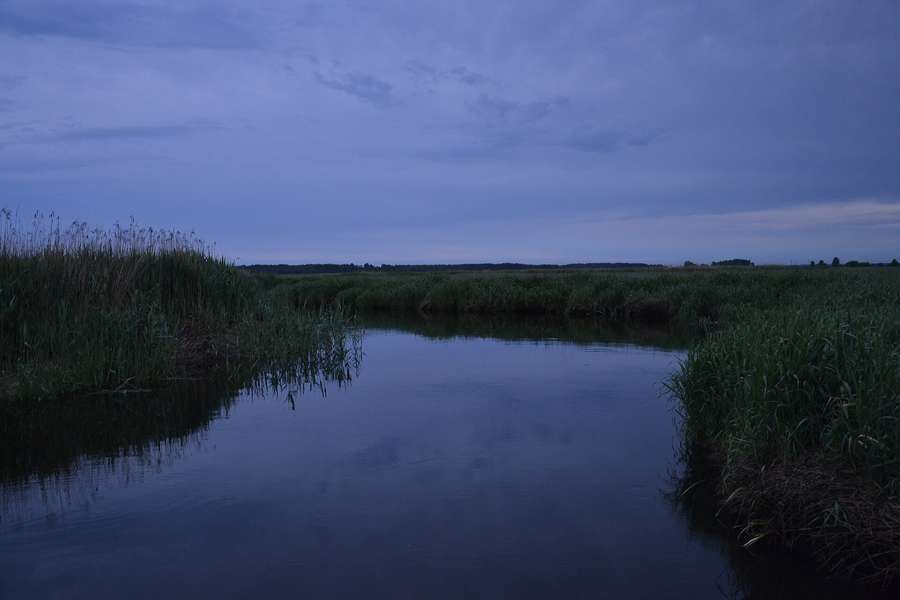
Poland's largest national park is not in the mountains or on the coast. It is a vast, flat sprawl of marsh in the country's northeast, where the Biebrza river spills across one of Europe's last great low-moor peatlands, and where the wildlife list reads like a field guide's greatest hits: elk wading the shallows, cranes bugling over the bogs, and one of the world's last strongholds of the tiny aquatic warbler. Biebrza National Park is a place for slow days and binoculars, best based out of the small town of Goniadz, and it rewards families as much as serious birders. This guide covers the practical side, with ticket rules checked on 22 October 2026.
Getting there and where to base
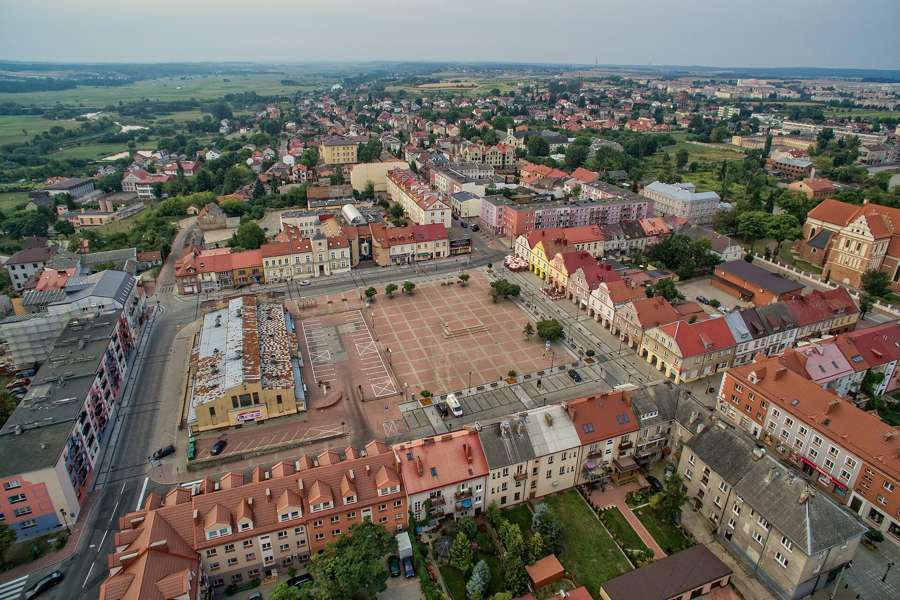
The park's heart lies about 50 to 70 km northwest of Bialystok, with Goniadz and Monki the natural gateways. The park stretches across three basins along the river, south, middle and north, and first-time visitors do best to pick one rather than chase all three; the southern basin around Goniadz has the densest cluster of towers and trails, which is why most weekenders never leave it. From Warsaw, plan on roughly two and a half to three hours by car, heading northeast past Lomza. Augustow, the lake-district resort to the north, sits within day-trip range of the park's northern basin and makes a livelier base for a longer stay, with restaurants, boat trips and a promenade for the evenings when the marsh has given all it can. Accommodation runs to guesthouses, agritourism farms and small pensions rather than hotels, and booking matters mainly on summer weekends and during the spring bird migration, when the park fills with people wearing expensive harnesses for their lenses. A car is close to essential: the trailheads and towers are spread across a big, quiet landscape with little public transport between them. Driving here is part of the pleasure, though: empty straight roads between villages, stork nests on the poles, and roadside stalls selling honey and smoked cheese through the summer.
Data source: route planners and park visitor information, checked 22 October 2026.
Tickets and how entry works
Entry to the park's land trails is ticketed, and the system is refreshingly simple. As of the official ticket information checked on 22 October 2026, a one-day ticket costs 10 PLN normal and 5 PLN reduced, a weekend ticket covering Friday to Sunday costs 20 PLN normal and 10 PLN reduced, and an annual ticket costs 150 PLN. Water trails, including the kayak routes and the marked underwater nature trail, use a separate one-day ticket at 10 PLN. Tickets are sold online through the park's official channel and at points on the ground, and you must carry the ticket or proof of payment while inside the park. The weekend ticket is the sweet spot for a standard two-day visit: arrive Friday evening and you are covered through Sunday for less than the price of two day tickets.
The exemptions are generous and worth knowing before you pay: children under seven enter free, holders of the Large Family Card enter free, and residents of the park's bordering gminas enter free. The reduced ticket, half price, covers pupils, students and the standard statutory groups under the Nature Conservation Act. For a family with a KDR card, in other words, the park costs nothing but the petrol. One rule catches visitors out: the ticket is personal and checked on the trails, so buy one per eligible person rather than assuming a car's occupants are covered as a group.
Data source: Biebrza National Park, official ticket information (bbpn.gov.pl/informacje-o-biletach), checked 22 October 2026.
What to see: towers, boardwalks and the fortress
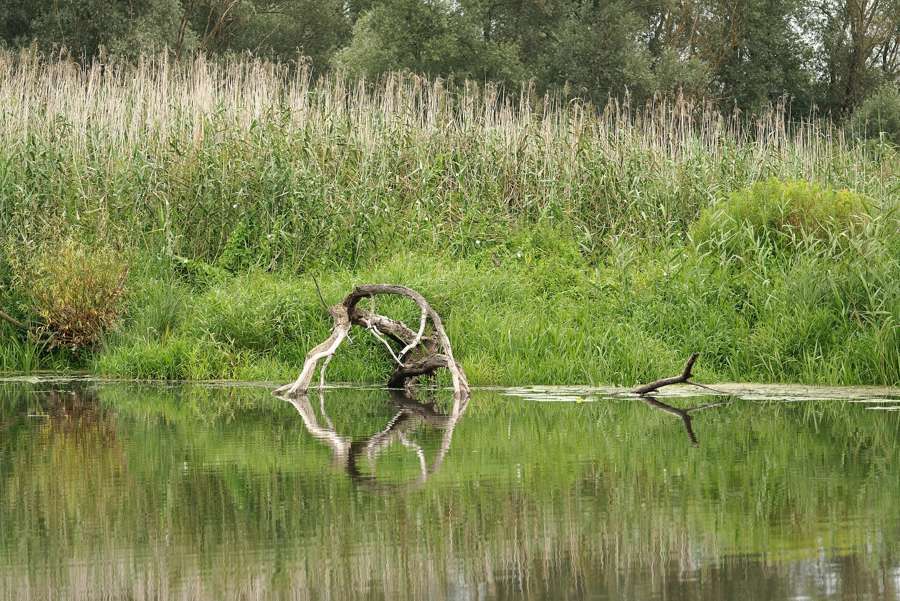
Biebrza is a landscape park in the truest sense: the view is the horizon, and the animals provide the action. Viewing towers punctuate the marshes, with the tower at Goniadz offering the classic first panorama over the southern basin's flood meadows. Boardwalk trails such as Czerwony Bagno, the red bog, carry you out over the peatland on wooden planks, close enough to the water to watch dragonflies and, with luck, an elk crossing at dawn. The park's birdlife peaks in spring, when ruffs dance on their leks and cranes gather in hundreds, but autumn migration and even frosty winter walks have their followers. The aquatic warbler is the specialist's prize, a small streaked bird whose remaining world population depends heavily on these sedge meadows; you are unlikely to spot one without patience and luck, but knowing they are out there changes how the reeds look. Elk are easier: the park holds one of Poland's healthiest populations, and at dawn or dusk from a tower, seeing one is more likely than not.
At Osowiec, a nineteenth-century Russian fortress guards the narrow crossing between the marshes, attacked and held through both world wars, and the park's museum there sets the nature in its human frame. The fortress saw some of the eastern front's most desperate fighting, including the 1915 gas attack that defenders survived in conditions later mythologized as the attack of the dead men, and the ruins today sit quietly among the alder carrs, half reclaimed by the very wetland they once dominated. The combination, fortress in the morning and a boardwalk after lunch, is the park's best one-two punch, and it works in any season.
Data source: Biebrza National Park visitor information (bbpn.gov.pl), checked 22 October 2026.
On the water
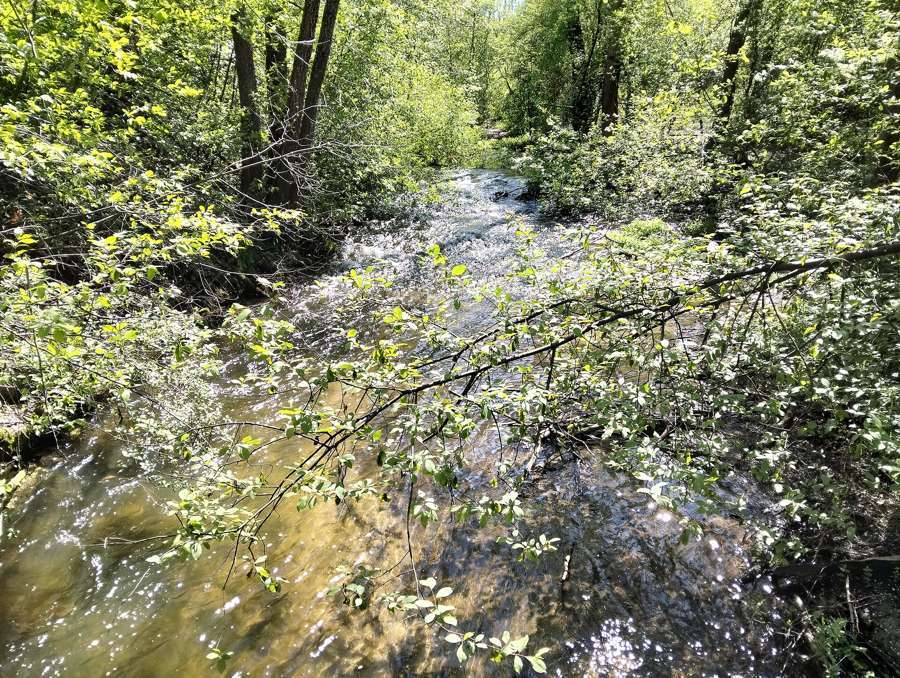
The Biebrza itself is the park's quiet highway. Kayak routes run through the marsh channels, flat and gentle, more safari than sport, with the water trail ticket covering the day. Local operators rent kayaks and run shuttles back to your car from the usual landing points. Paddling here is about silence: elk at the bank, a white-tailed eagle overhead, and long green distances with no buildings in them. First-timers should pick a short section of a few hours; the river is forgiving but the remoteness is real, so carry water, sun protection and a phone in a dry bag. The marked underwater nature trail, one of the park's quirks, is a snorkeling route through a clear side channel, a hit with teenagers who have the nerve for cold water.
Data source: Biebrza National Park, official ticket information (bbpn.gov.pl/informacje-o-biletach), checked 22 October 2026.
Visiting with children
Children take to Biebrza once you set it up as a hunt. The towers are lookout posts, the boardwalks are jungle bridges, and the animal checklist, elk, crane, beaver lodge, eagle, gives the day its score. Boardwalk sections suit short legs because distances can be kept small, and the fortress at Osowiec adds walls and ramparts to the game. Practical notes: the marsh offers no shade and few facilities, so carry everything, and in summer pack repellent, because the same water that feeds the birds feeds the mosquitoes. Binoculars change the trip more than any other piece of kit; even a cheap pair turns distant dots into herons, harriers and, with luck, the big grey shape of a crane family. Keep dogs at home or leashed where the rules require, since ground-nesting birds are the park's whole reason to exist. Waterproof boots earn their keep outside the driest weeks.
Data source: Biebrza National Park visitor information, checked 22 October 2026.
A two-day plan
Day one: arrive by midday in Goniadz, climb the town tower for the overview, collect your weekend ticket, then a short boardwalk walk before dinner and, if you can manage it, a dusk return to a tower, when the elk come out and the marsh turns golden. Day two: the Osowiec fortress and museum in the morning, a picnic lunch at a trailhead clearing, an afternoon kayak section or the Czerwony Bagno boardwalk, and home by evening, smelling faintly of peat and deeply smug about your bird list.
Frequently asked questions
How much does entry to Biebrza National Park cost?
A one-day land ticket costs 10 PLN normal and 5 PLN reduced, a Friday-to-Sunday weekend ticket 20 and 10 PLN, and water trails 10 PLN per day, as of 22 October 2026. Children under seven and Large Family Card holders enter free.
What animals can you see in Biebrza?
Elk are the stars, with cranes, white-tailed eagles, beavers and hundreds of bird species in season; the marshes are also one of the last world strongholds of the aquatic warbler.
When is the best time to visit?
April to June for the peak bird spectacle, September and October for migration and quieter trails. Summer brings mosquitoes, so pack repellent.
Do you need a car for Biebrza?
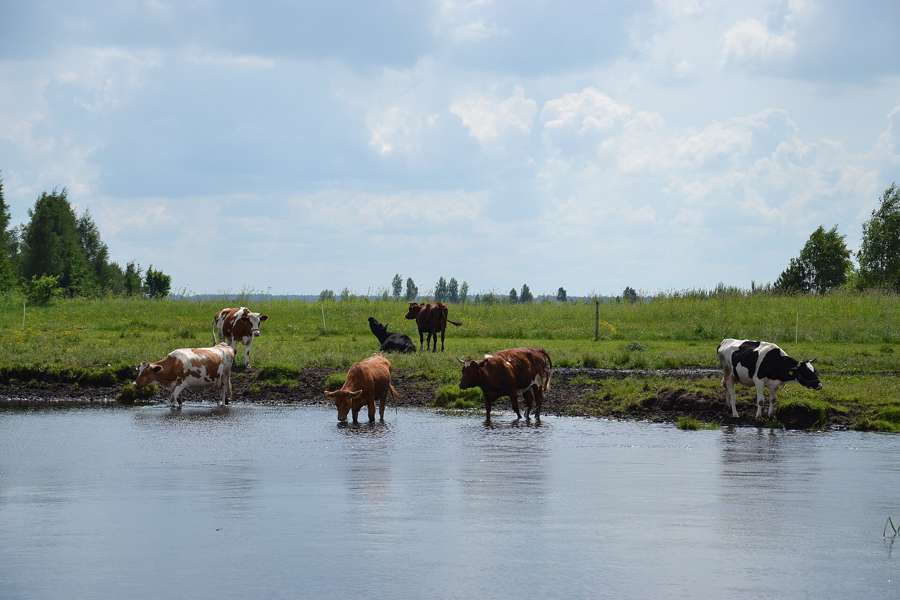
Effectively yes. Trailheads and towers are spread across a large rural area with minimal public transport, so drivers or organized tours see far more. * Photos: Cover - Pudelek (Marcin Szala), CC BY-SA 3.0, via Wikimedia Commons (evening on the marshes). Body - Pudelek (Marcin Szala), CC BY-SA 3.0, via Wikimedia Commons (grazing cattle, Biebrza valley).