Ujście Warty Weekend Guide: Poland's Great Bird Wetland
The essentials: Ujście Warty National Park, on the German border, is free to walk and one of Europe's great bird wetlands. Its Ornitovo centre in Słońsk costs 25 PLN (15 PLN reduced; KDR half price). Visit in spring flood or autumn migration. Prices checked 22 October 2026.
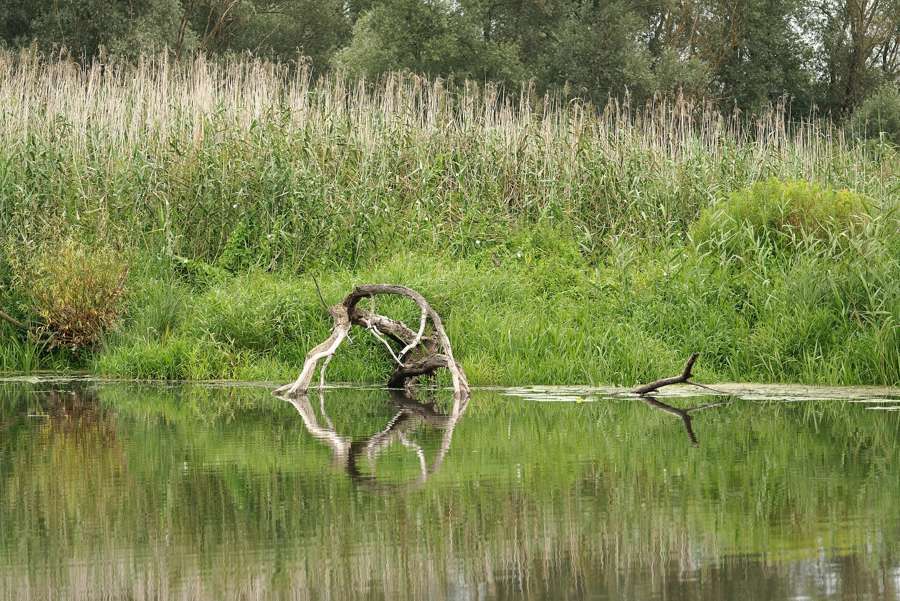
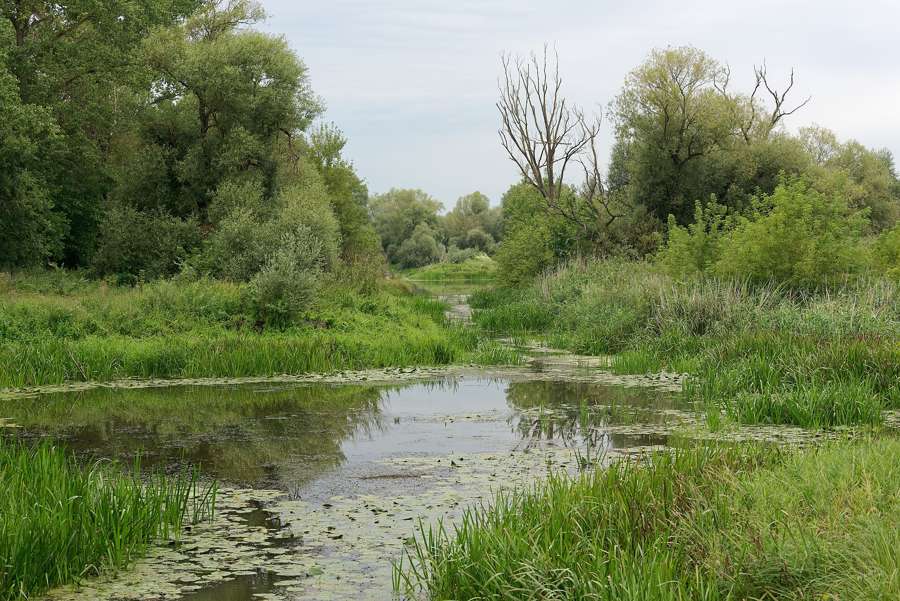
Where the Warta river finally runs into the Odra, on Poland's western border with Germany, the land gives up pretending to be land at all. Ujscie Warty National Park is a flooded world of meadows, channels and reedbeds that ranks among the most important waterbird wetlands in Europe, and in migration season the sky above it can hold tens of thousands of geese at once. It is also one of Poland's least-visited national parks, flat, quiet and largely unknown outside birdwatching circles, a place where the loudest sound on an autumn evening is wings. For expats based in Poznan, Gorzow or even Berlin, it makes an unusual and deeply peaceful weekend, the kind that resets a person after a month of city life. This guide covers the practical side, with prices and opening hours checked on 22 October 2026.
Getting there and where to stay
The park lies in the Lubuskie region, roughly halfway between Gorzow Wielkopolski and Kostrzyn nad Odra, about an hour's drive from either, and around two hours from Poznan. Berlin is barely a hundred kilometres away, closer than Warsaw by far, which makes this a realistic day trip even from the German capital. The gateway village is Slonsk, home to the park's visitor centre; note that no public transport reaches Slonsk, so a car is essential, and cyclists can reach the park on the riverside routes that follow the Odra and the Warta dikes. Accommodation means pensions, agritourism farms and small guesthouses in Slonsk and the surrounding villages, simple and inexpensive, plus more hotel choice in Kostrzyn nad Odra and Gorzow, and booking is rarely difficult outside the peak migration weekends.
Data source: park visitor information (pnuw.gov.pl) and regional guides, checked 22 October 2026.
Tickets and opening hours
Walking the park itself costs nothing: the park sells tickets only for its museum and education centre, not for the trails, dikes and bird hides. The one ticketed sight is Ornitovo, the park's museum-education centre in Slonsk, a modern exhibition on the wetland and its birds that is well worth an hour, especially with children. As of the park's official price list checked on 22 October 2026, individual tickets cost 25 PLN normal and 15 PLN reduced, with the reduced rate covering children from age four, schoolchildren, students to 26, pensioners and people with disabilities together with their carers; children under four enter free. Large Family Card holders pay half, 12.50 PLN normal and 7.50 PLN reduced, and an audioguide in Polish, English or German costs 5 PLN. Groups of twenty or more pay 18 and 10 PLN. The exhibition itself walks you through the wetland's year, from the spring flood to the autumn migration, with an aquarium built into the wall and viewing passages designed to make children feel they are walking through the river itself.
Ornitovo opens in the summer season, 1 March to 31 October, Tuesday to Friday 9:00 to 16:00 and weekends 9:00 to 17:00; in winter, 1 November to the end of February, Tuesday to Saturday 9:00 to 15:00. It is closed on Mondays and on 1 January, the Easter days and 1 November. Individual visitors enter at half past each hour, and the ticket desk closes an hour before closing time. Booking online in advance is encouraged, as only a pre-bought ticket guarantees your slot.
Data source: Ujscie Warty National Park, official Ornitovo ticket and hours information (pnuw.gov.pl/ornitovo), checked 22 October 2026.
The birds and when to see them
The park's fame rests on its birds. Spring and autumn migrations bring spectacular gatherings of geese, cranes, ducks and waders, and the park is one of the best places in Poland to look for white-tailed eagles, which breed here, alongside marsh harriers, black storks, corncrakes and bluethroats. The seasonal rhythm matters more here than in almost any other Polish park: spring flooding from March to May turns the meadows into a shallow inland sea alive with birds, autumn brings the great southbound passage, and high summer can be relatively quiet and dry. Winter has its own rewards, with eagles and rough-legged buzzards over the frozen plain, and the park's quiet is never deeper than in a January frost, when a morning's walk may pass without meeting another person.
You do not need to be an expert. Bring any binoculars you own, walk slowly, and let the landscape work; even a first-timer will see more large birds in a morning here than in a month of city park walks. The classic beginner's moment is the evening return of the geese in autumn, when flock after flock drops into the flooded meadows against the sunset and the noise carries for kilometres. Serious birders plan whole trips around it; everyone else just remembers it.
Data source: Ujscie Warty National Park nature and visitor information (pnuw.gov.pl), checked 22 October 2026.
Trails, towers and how to walk the park
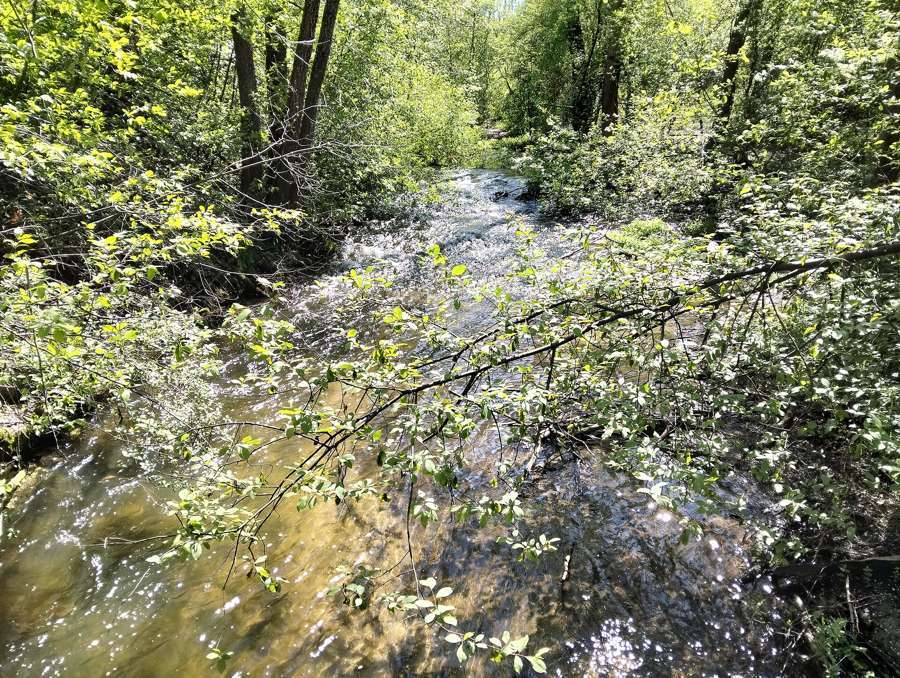
The park's visitor infrastructure is deliberately light: a handful of marked nature trails with boardwalks, including the Olszynki trail through wet alder forest and the Mokradla trail along old channels, plus viewing towers over the floodplain, the best-known standing on Czarnowska Gorka. The wide grass dikes along the Warta and the Postomia act as the park's main walking routes, open, breezy and excellent for scanning the meadows, and the distances between parking points are short enough that a family can sample several trailheads in a single day. One practical habit: check the park's current visitor notices before setting out, because conditions change with the water. As of late October 2026, the viewing tower at Chyrzyno is closed, the Kamienka Grobla causeway is difficult for cars, all nature trails are open, and the park asks visitors to take care around the electric fences that protect its grazing cattle, which keep the meadows in bird-friendly condition.
Data source: Ujscie Warty National Park, current visitor notices (pnuw.gov.pl), checked 22 October 2026.
Visiting with children
For children who like animals, this park delivers: the sheer number of large, visible birds means no long waits, and Ornitovo's exhibition is built for young visitors, with the wetland's underwater life on display. Trails are flat and short, the boardwalks add adventure, and the grazing cattle and horses that keep the meadows cropped are reliably popular with small visitors. The caveats are honest ones: there are almost no facilities out on the dikes, mosquitoes are fierce in summer, and the park is about nature, not playgrounds, so pack drinks, snacks and repellent and treat it as a real outing. Rubber boots earn their place in the car boot in spring, when paths near the water can be genuinely wet.
Data source: park visitor information cited above, checked 22 October 2026.
A two-day plan
Saturday: arrive by midday, walk the Olszynki boardwalk and a stretch of dike in the afternoon light, evening scanning from Czarnowska Gorka tower as the geese come in to roost. Sunday: Ornitovo when it opens, then a slow drive between the parking points along the valley, stopping at every hide, before the drive home. Birders should budget more time than feels reasonable, because every hide holds you longer than planned. With more time, add the fortress ruins of Kostrzyn nad Odra, where an entire old town stands preserved as an open-air monument on the Odra bank, or the vineyards of the Lubuskie wine country around Zielona Gora, an hour south.
Frequently asked questions
How much does Ujscie Warty National Park cost?
The park grounds, trails and bird hides are free; only the Ornitovo museum centre in Slonsk is ticketed, at 25 PLN normal and 15 PLN reduced as of 22 October 2026, with half price for Large Family Card holders and free entry for children under four.
When is the best time for birdwatching at Ujscie Warty?
March to May for the spring flood and migration, and October to November for the autumn passage of geese and cranes; the park is at its most spectacular when the meadows are flooded.
Can you reach Ujscie Warty without a car?
Not realistically. No public transport serves Slonsk or the park's trailheads, so plan on driving, or joining an organised birding trip from Poznan or Berlin.
Is Ujscie Warty good for children?
Yes, if yours like wildlife: the birds are large and abundant, the boardwalk trails are short and flat, and the Ornitovo exhibition is designed for families. Bring mosquito repellent in summer. * Photos: Cover and body - Jakub Halun, CC BY-SA 4.0, via Wikimedia Commons (the Postomia floodplain and an old channel in Ujscie Warty National Park).