Sieradz Weekend Guide: One of Poland's Oldest Towns
The essentials: Sieradz, an hour west of Łódź, is one of Poland's oldest towns: a Gothic collegiate church, a market square, a district museum (18 PLN, free Tuesdays), and a seasonal open-air museum (mid-April to mid-October). Prices checked 22 October 2026.
Sieradz does not shout. The small city on the Warta's tributary plain, an hour west of Lodz, is one of the oldest towns in Poland, a place that was holding regional assemblies when half the country's famous destinations were still forest, and it wears that age quietly: a Gothic collegiate church, a market square of modest nineteenth-century townhouses, a regional museum with a free day every week, and an open-air museum of wooden farm buildings at the town's edge. For expats based in Lodz or Warsaw who want a slow, genuinely untouristy weekend, Sieradz is a rewarding pick. This guide covers the practical side, with prices and hours checked on 22 October 2026.
Getting there and where to stay
Sieradz lies about 60 kilometres west of Lodz, an easy hour by car, and around 200 kilometres southwest of Warsaw, roughly two and a half hours via Lodz. Trains and buses connect it with Lodz and Wroclaw. Accommodation is small-scale: a few hotels and pensions in the centre and around the market square, at prices that remind you this is not Krakow, and booking a week or two ahead is ample outside holiday weekends. A weekend here is as much about decompression as sightseeing, so pick somewhere central and walk everywhere; the whole old town fits inside a twenty-minute loop.
Data source: route planners and the Sieradz regional museum's visitor information, checked 22 October 2026.
The collegiate church and the old town
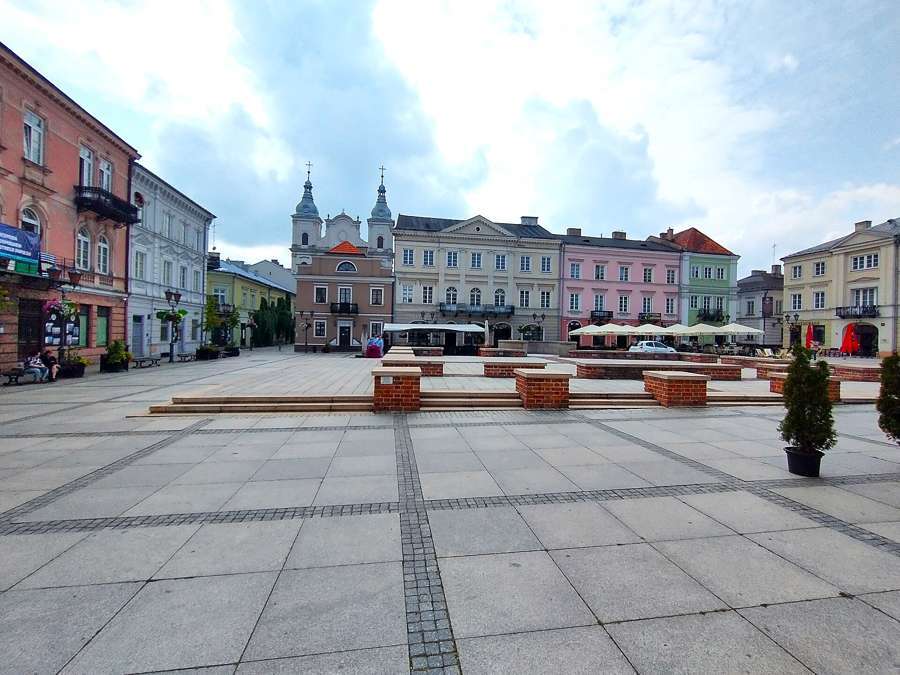
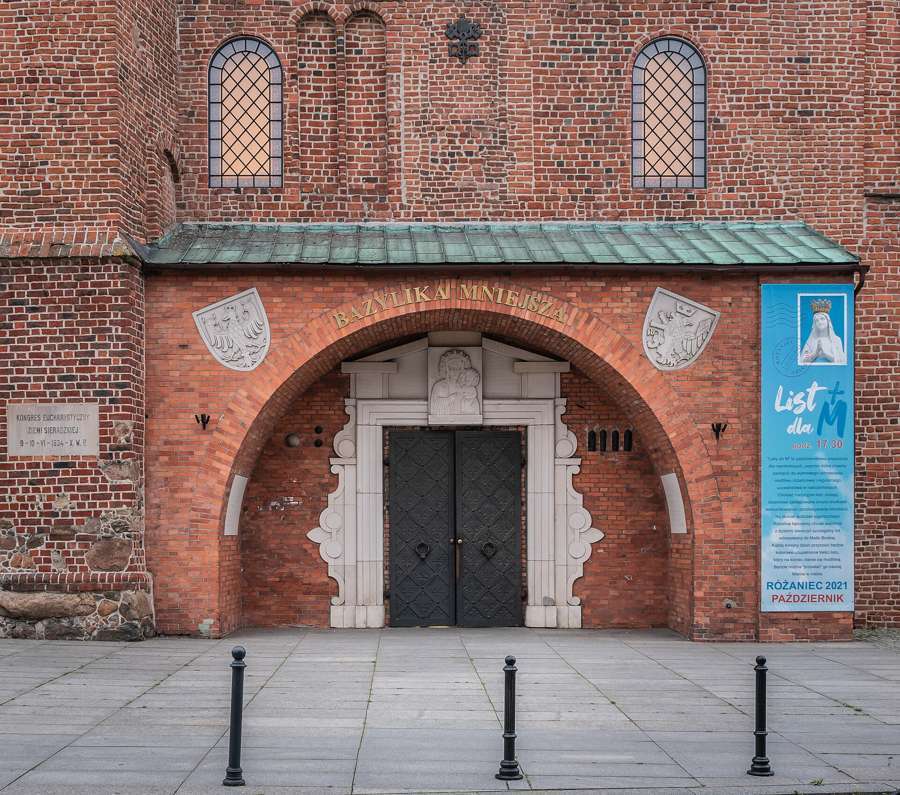
The All Saints collegiate church, a minor basilica, is the city's anchor: a massive brick Gothic building raised in the fourteenth and fifteenth centuries on the site of earlier churches, its arched entrance framed by medieval coats of arms and walls still carrying the cannonballs of later sieges. Inside, the lofty nave and the layered chapels reward a slow circuit, and the church still functions as the city's living centre of worship rather than a museum piece, so visitors should expect services to take precedence. Inside, the lofty nave and the layered chapels reward a slow circuit, and the church still functions as the city's living centre of worship rather than a museum piece, so visitors should expect services to take precedence. The market square a few minutes away is unpretentious but pretty, ringed by restored townhouses from the early nineteenth century, and the lanes around it hold the remains of the Dominican monastery, whose roots reach back to the thirteenth century. Sieradz was a royal town and the seat of assemblies of the Polish nobility centuries before Warsaw mattered: the regional sejmiki met here, kings passed through, and the town's parish church rose to collegiate rank on the strength of it. The pleasure of the place is reading that layered age in an afternoon's walk with almost nobody else doing the same, no ticket queues, no tour groups, just brick, grass and river.
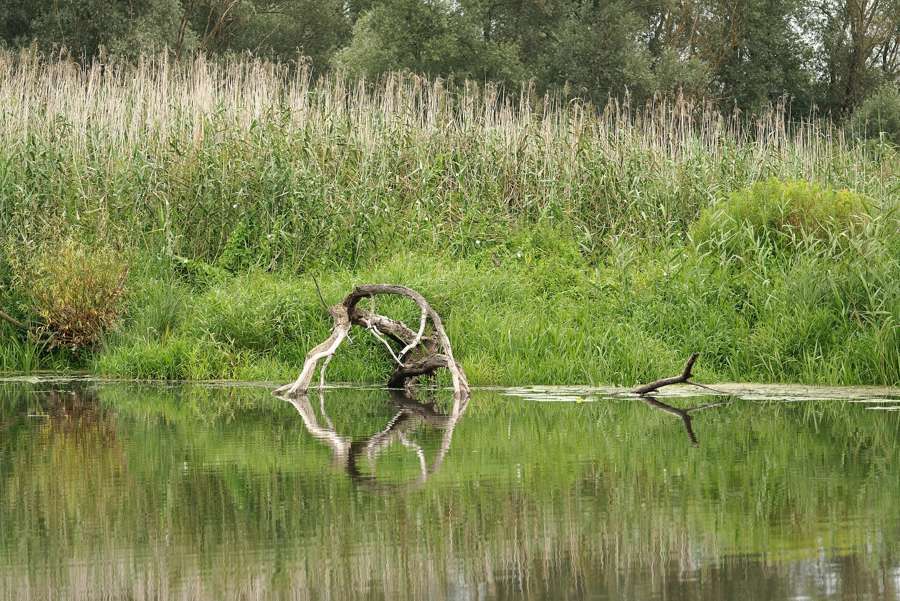
The Zeglina river loops past the old town and gives the city a green edge, with riverside paths that suit an evening stroll, and in summer the green corridors along the water are where the town's families spend their evenings.
Data source: City of Sieradz heritage information and the regional museum (muzeum-sieradz.com.pl), checked 22 October 2026.
The District Museum: free on Tuesdays
The Muzeum Okregowe in Sieradz, on the market square at Rynek 2, is the cultural heart of the visit, and its pricing is a gift: as of the official visitor information checked on 22 October 2026, a normal ticket costs 18 PLN and a reduced ticket 12 PLN, a guided tour 50 PLN, and every Tuesday admission is free for everyone. On Thursdays school-age youth enter for a symbolic 1 PLN. The museum opens Tuesday 10:00 to 18:00, Wednesday to Friday 9:00 to 16:00, and Sunday 10:00 to 15:00; it is closed on Mondays and Saturdays, an unusual pattern worth planning around. Last entry is thirty minutes before closing.
The collections cover the region's archaeology and history, from early medieval Sieradz, when the settlement ranked among the principal strongholds of the young Polish state, through the town's later centuries as a quiet provincial seat. The building sits right on the square, so the museum fits naturally into the middle of an old-town wander rather than needing a separate trip, and its scale is humane: an hour or ninety minutes and you have seen it properly.
Data source: District Museum in Sieradz, official visiting and ticket information (muzeum-sieradz.com.pl/zwiedzanie), checked 22 October 2026.
The Ethnographic Park
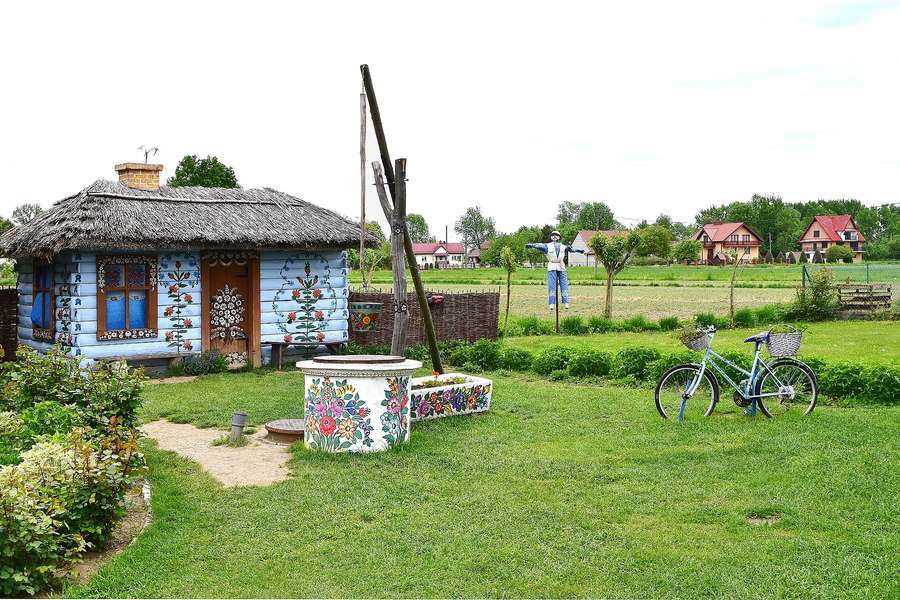
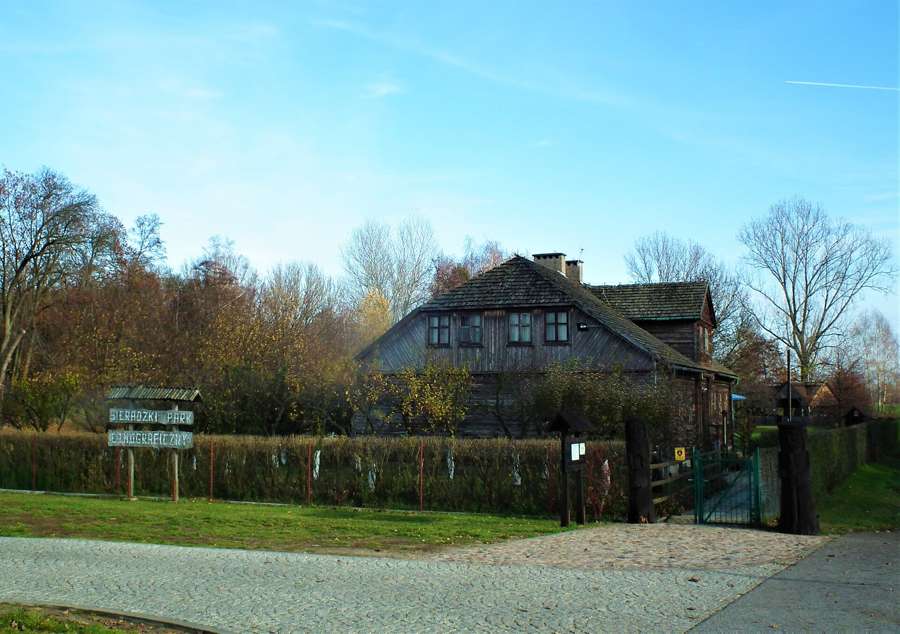
The museum's loveliest branch is the Sieradz Ethnographic Park, an open-air museum of wooden rural architecture at the edge of town: timber farmhouses, barns and workshops moved here from villages across the region, set out like a small settlement among trees. It is the classic Polish skansen experience, and children who find glass cases dull tend to come alive among the buildings. One important seasonal note: the park opens only from 15 April to 15 October each year, so on an autumn or winter weekend the open-air museum is closed and the town museum carries the visit instead. In season it opens Tuesday to Friday 10:00 to 16:00 and weekends 10:00 to 17:00, closed Mondays, and the same ticket prices apply as at the main museum.
The museum also runs the Walewski Museum in Tubadzin, a manor-house branch in a village outside Sieradz devoted to the Walewski family, the local gentry line whose most famous son rose to be foreign minister under Napoleon. It is open from March to mid-December, Tuesday to Friday 9:00 to 15:00 and Sunday 10:00 to 15:00, and makes a pleasant short rural drive for those with a car and a spare afternoon.
Data source: District Museum in Sieradz, official branch hours and prices (muzeum-sieradz.com.pl/zwiedzanie), checked 22 October 2026.
Visiting with children
Sieradz suits families who prefer space to spectacle. In season, the Ethnographic Park is the obvious half-day: buildings to explore, grass to run on, none of the queuing of bigger attractions, and the quiet pleasure of watching children invent games in a farmyard two hundred years old. Out of season, the town museum is manageable in size and free on Tuesdays, the riverside paths give children room to move, and the whole city is flat and easy for small legs and strollers, with traffic calm enough that the market square doubles as a safe place to let them run. Pair the weekend with a morning in Lodz on the way home if the weather turns, since the big city's museums and science centre are only an hour away.
Data source: museum visitor information cited above, checked 22 October 2026.
A two-day plan
One structural quirk shapes any visit: the museum closes on Mondays and Saturdays, opens briefly on Sundays and is free on Tuesdays, so the classic weekend pattern needs adjusting, with the skansen or Tubadzin carrying Saturday and the museum fitted into Sunday morning.
Saturday: arrive by midday, walk the collegiate church and the market square, coffee on the square, then the District Museum, remembering it closes mid-afternoon most days and is shut on Saturdays entirely, so consider swapping days if your Saturday is the museum day. In season, give the afternoon to the Ethnographic Park instead. Sunday: riverside walk along the Zeglina, a slow lunch, and if you have the energy, the manor at Tubadzin or simply the drive home through the Warta valley villages. Sieradz will not exhaust you, and that is precisely the point: some weekends are for seeing everything, and some are for remembering what a quiet Polish town feels like when it has eight centuries behind it and nowhere particular to be.
Frequently asked questions
How much does the Sieradz museum cost?
A normal ticket costs 18 PLN and a reduced ticket 12 PLN, and admission is free every Tuesday, as of 22 October 2026. School-age youth pay 1 PLN on Thursdays. The museum is closed on Mondays and Saturdays.
When is the Sieradz open-air museum open?
The Ethnographic Park is seasonal: 15 April to 15 October, Tuesday to Friday 10:00 to 16:00 and weekends 10:00 to 17:00, closed Mondays. Outside those dates it is closed for the year.
Is Sieradz worth a weekend?
Yes, if you value quiet over spectacle: a genuine Gothic basilica, a free museum day, a skansen in season and almost no crowds, an hour from Lodz.
How do you get to Sieradz from Warsaw?
About two and a half hours by car via Lodz; trains and buses run via Lodz as well. * Photos: Cover - Krzysztof Golik, CC BY-SA 4.0, via Wikimedia Commons (the Gothic portal of the All Saints collegiate church). Body - MOs810, CC BY-SA 4.0, via Wikimedia Commons (a farmhouse at the Sieradz Ethnographic Park).