Blood Donation in Poland: Honorowe Krwiodawstwo Rules and Benefits
Short answer: In Poland, people aged 18-65 weighing 50+ kg can donate at 21 regional centres or mobile units: 450 ml whole blood, up to 6 times a year (men) or 4 (women). Donors get two days off work, a meal, a travel refund and a 130 zł/litre tax deduction; at 5-6 litres the ZHDK badge adds priority healthcare and free medicines.
Poland's blood service runs entirely on unpaid, voluntary donors - and expats can join it. Donating takes about half an hour, earns you two days off work, a 4,500-calorie meal and a tax deduction, and after a few litres it unlocks priority healthcare and free medicines. Here is how honorowe krwiodawstwo works in 2026, from the National Centre for Blood (NCK) and the Public Blood Service Act.
Who can donate
According to the NCK's official FAQ, blood or its components can be donated by people aged 18 to 65 who weigh at least 50 kilograms and meet the health requirements - the point being that the donation must harm neither you nor the future recipient. At the donation centre you register, fill in a health questionnaire and have a short medical screening (haemoglobin, blood pressure) before the actual donation. Donation in Poland is strictly honorary: you do not get paid for blood, but a package of statutory perks applies.
What and how often you can donate
The NCK sets the intervals:
- Whole blood: 450 ml per donation, with at least 8 weeks between donations - at most 6 times a year for men and 4 times a year for women.
- Plasma (automated plasmapheresis): at most 33 times a year, at least 2 weeks apart.
- Platelets (thrombapheresis): no more often than every 2 weeks.
- Red-cell concentrate (erythrapheresis): the same interval rules as whole blood.
A whole-blood visit takes roughly 30-40 minutes including registration and screening; apheresis donations take longer because only the chosen component is collected and the rest is returned to you.
Statutory perks: days off, meal, travel, tax relief
The Public Blood Service Act (consolidated text Dz.U. 2024 poz. 1782) and the NCK's donor-rights page give every honorary donor:
- Time off work: release from work (or service duties) on the donation day and the following day, plus time for the periodic donor medical examination, with lost earnings reimbursed under labour-law rules.
- Travel refund: the cost of getting to the blood centre, reimbursed on the rules for business-trip allowances.
- A regenerative meal worth 4,500 calories after donating.
- A tax deduction: the donation counts as a charitable gift - podatki.gov.pl confirms you deduct 130 zł for every litre of blood or components donated, within the 6%-of-income limit shared with other donation deductions. The deduction works if you are taxed on the scale or on ryczałt.
- Rare-group donors and donors who undergo immunisation or other procedures for plasma or diagnostic serum collection receive a monetary equivalent for the collection and procedures.
The Zasłużony Honorowy Dawca Krwi badge and its privileges
Volume milestones bring the title and badge of Zasłużony Honorowy Dawca Krwi (Distinguished Honorary Blood Donor): 5 litres of blood (or the equivalent in components) for women and 6 litres for men. Beyond the honour, ZHDK status carries concrete privileges, per the NCK:
- Priority access to healthcare services out of turn, and out-of-turn service at pharmacies,
- Free medicines - the drugs on the former basic and supplementary lists, up to the price limit.
At 20 litres, the Minister of Health can additionally award the "Honorowy Dawca Krwi - Zasłużony dla Zdrowia Narodu" badge. Many cities add their own perks for honorary donors, such as free or discounted public transport - check your city's rules locally.
Where to donate
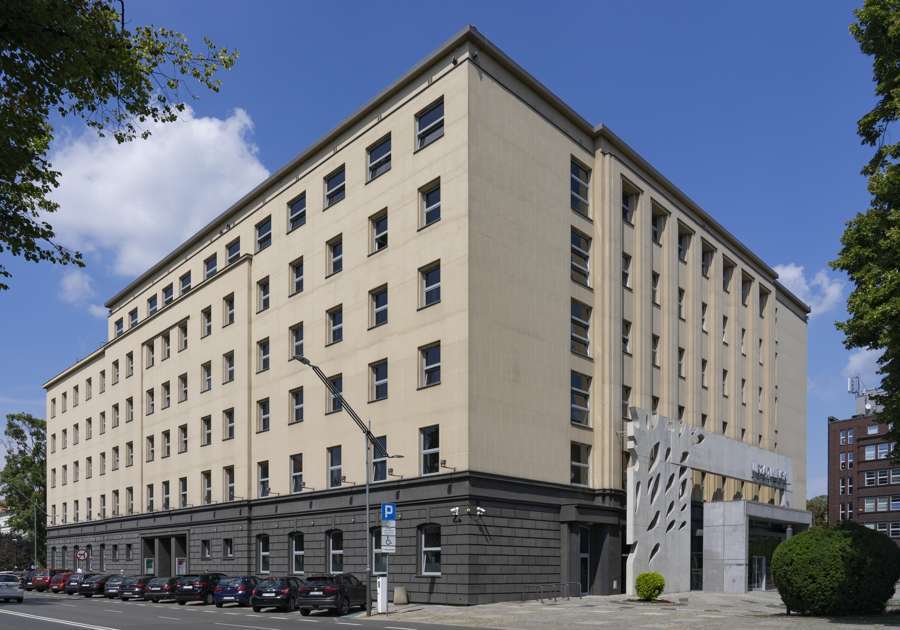
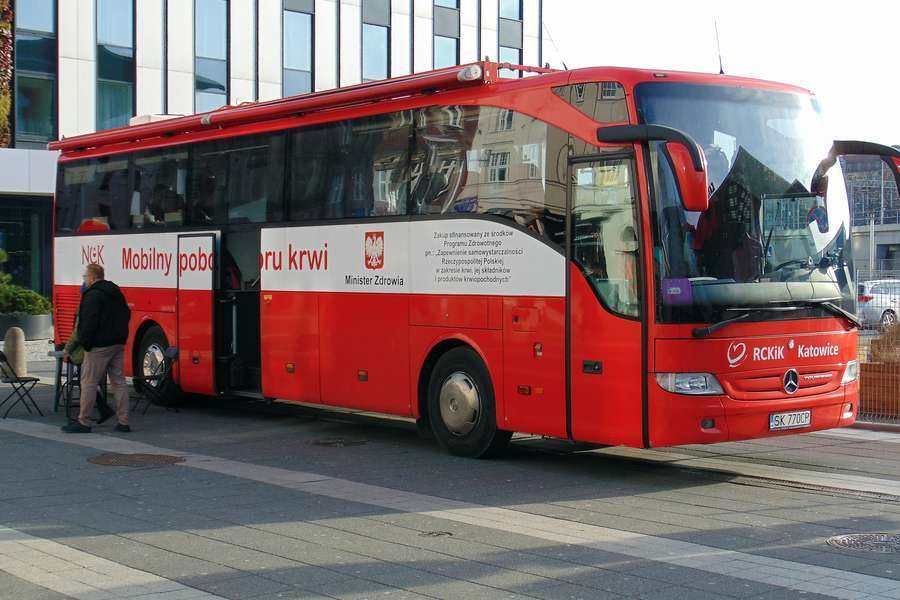
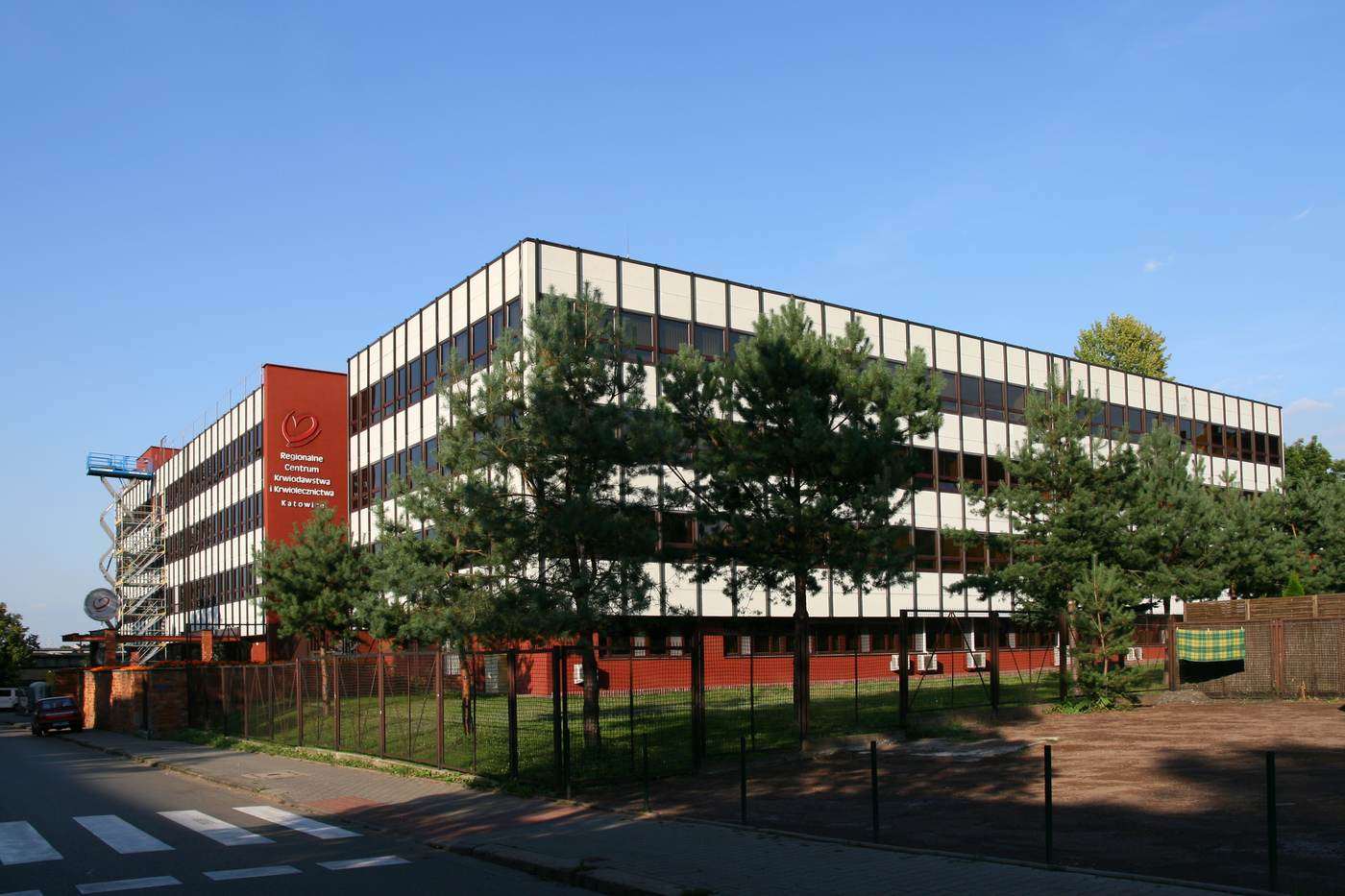
Poland's public blood service runs 21 regional blood centres (Regionalne Centra Krwiodawstwa i Krwiolecznictwa) plus local branches and mobile units (krwiobusy) that park at workplaces, universities and shopping centres. You can donate at any centre, not just the one in your region. Regional centres publish current blood-stock levels and urgent-need appeals on their websites and social media - after accidents and in holiday periods stocks of specific groups, especially Rh-negative, drop fast. Bring an ID document, eat a light low-fat meal beforehand, hydrate, and expect to rest with the meal and a drink for about 15 minutes after donating.
Frequently asked questions
Can foreigners donate blood in Poland?
Yes - the eligibility rules the NCK publishes (age 18-65, at least 50 kg, meeting the health requirements) say nothing about citizenship. You register at a donation centre with an ID document and complete the standard health screening.
Do I really get two days off work for donating?
Yes. The Public Blood Service Act entitles honorary donors to release from work on the donation day and the following day, plus time for the periodic medical exam, with lost earnings reimbursed under labour-law rules.
How does the blood-donation tax deduction work?
Each litre of blood or components donated counts as a charitable gift of 130 zł, deductible if you are taxed on the scale or on ryczałt. It shares the 6%-of-income limit with other donation deductions, and you claim it in your annual PIT.
Is donating blood paid in Poland?
No. Polish blood donation is strictly honorary - the perks are time off, a travel refund, a regenerative meal, the tax deduction and, after 5-6 litres, the ZHDK badge with priority healthcare and free medicines up to the price limit. * Photo (cover): "Krwiobus, mobilny punkt poboru krwi" by Zalasem1, CC BY-SA 4.0, via Wikimedia Commons. Photo (body): "Regionalne Centrum Krwiodawstwa i Krwiolecznictwa, Katowice" by Lestat (Jan Mehlich), CC BY-SA 3.0, via Wikimedia Commons.