Bookbinding Workshops in Poland: Choosing Your First Course
The essentials: Check the exact notebook project and required experience, then confirm materials, teaching language, all meeting dates, access, payment and cancellation terms. Past workshop listings are examples, not upcoming places.
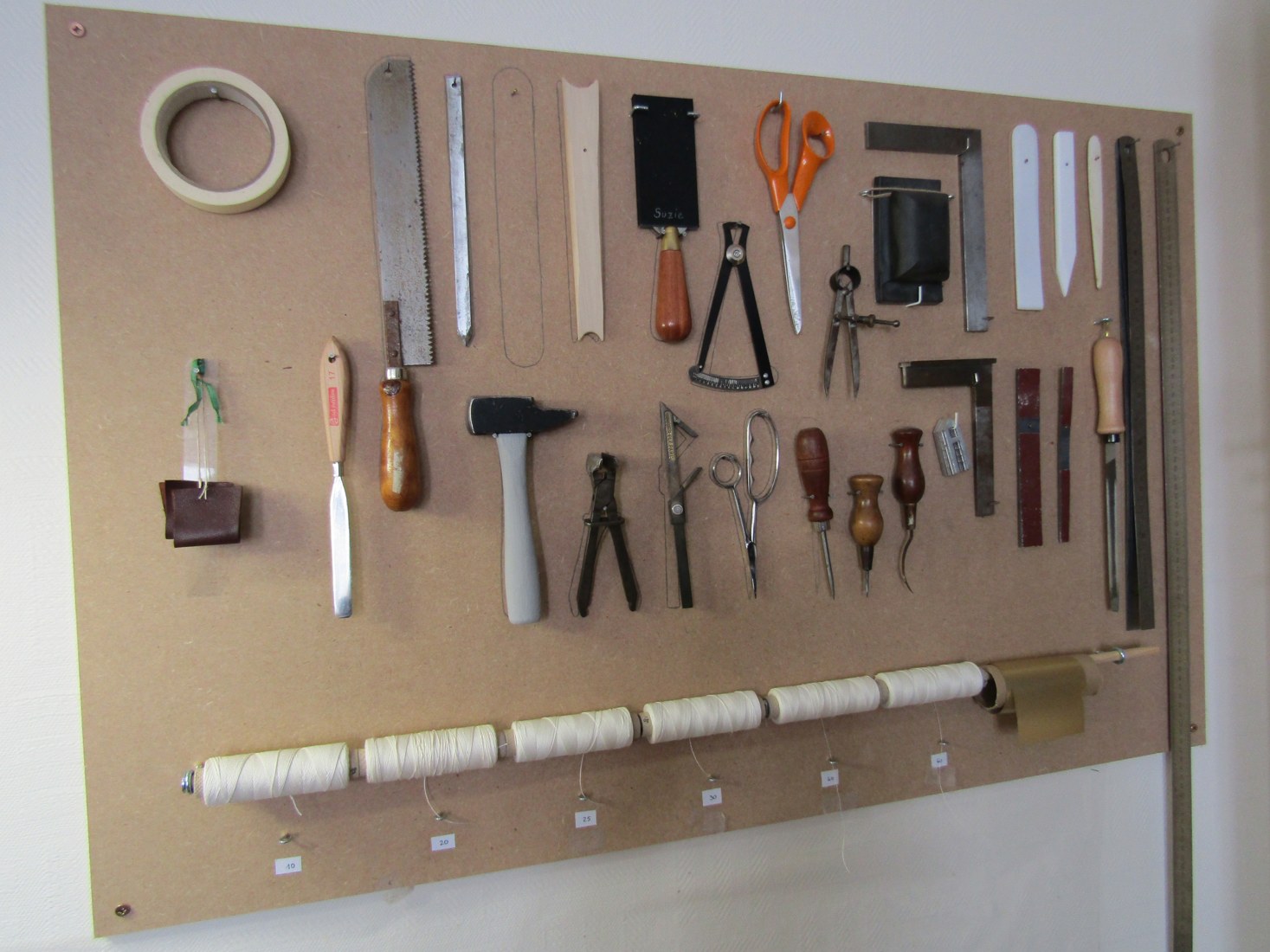
Bookbinding tools in a Normandy workshop, France, 25 September 2016. Suzelfe / Wikimedia Commons, CC BY-SA 4.0. Resized and re-encoded; adaptation under the same licence. Historical contextual illustration, not a Polish class or supplied kit.
A bookbinding workshop can be a satisfying way to spend time away from a screen while making something you can keep. For an expat in Poland, it can also offer a reason to visit a local studio without needing to arrive with a finished artistic project. The useful first step is to choose the right kind of workshop rather than simply the nearest listing.
This guide uses six primary provider pages checked on 28 October 2026. Several describe past events, including August 2024 and July and October 2026 sessions. They are examples of formats and conditions, not upcoming dates or confirmed places. Ask for the current programme before booking.
Search for bookbinding, then read the project
The Polish terms are introligatorstwo for bookbinding and warsztaty introligatorskie for workshops. A notes is a notebook, while oprawa refers to its binding or cover arrangement. The title alone may not tell you whether you will make a simple stitched booklet or a more involved hardback notebook.
Takizeszyt's workshop page describes forming folded sections, sewing a book block and making a hard cover with simple gilding or embossing. Nice Letter's August 2024 listing described a sewn notebook with a hard half-cloth cover. Those descriptions help distinguish the actual project from a general craft afternoon.
Tell the organiser what appeals to you: a blank notebook, sketchbook, small album or an introduction to book construction. A photograph of a richly decorated finished book does not prove that every technique shown is part of the session you are buying.
Do not assume every course starts at the same level
Ask whether the workshop is intended for complete beginners and which parts require existing confidence. Some programmes explicitly welcome people without experience, while others expect precise hand work from the start. A small group is not by itself evidence that every participant receives basic instruction in every tool.
Oficyna Peryferie's listing for 23 or 24 October 2026 said no earlier experience or special manual ability was needed. Its programme described making three sketchbooks with different bindings during one intensive day. Both dates are now past; the example shows the scope of that event, not an available place.
Hertmanus's past 17 July 2026 course in Śrem described a different starting point: adults with paper-working experience or manual ability, including confident precise measuring and cutting. Do not enrol in a similarly described session on the assumption that the instructor will first teach all those basics.
Compare one long day with a two-day workshop
Bookbinding can be offered as a short session, a full day or a weekend. Compare actual start and finish times, breaks and whether attendance at every meeting is needed. A two-day course can mean one project across both days, not two interchangeable dates.
Nice Letter's 24–25 August 2024 listing allocated two days, explaining that notebooks could dry and rest overnight. Oficyna Peryferie's October 2026 page instead offered two separate dates to choose from, each with a day-long programme. Similar-looking pairs of dates can therefore mean very different commitments.
Dźwiedźma's workshop page describes an approximately three- to three-and-a-half-hour format, with time allowed for finishing, but its listed January 2026 date options show longer time windows. Confirm the duration for the selected format rather than choosing the shortest number from the page.
Ask what materials and tools are included
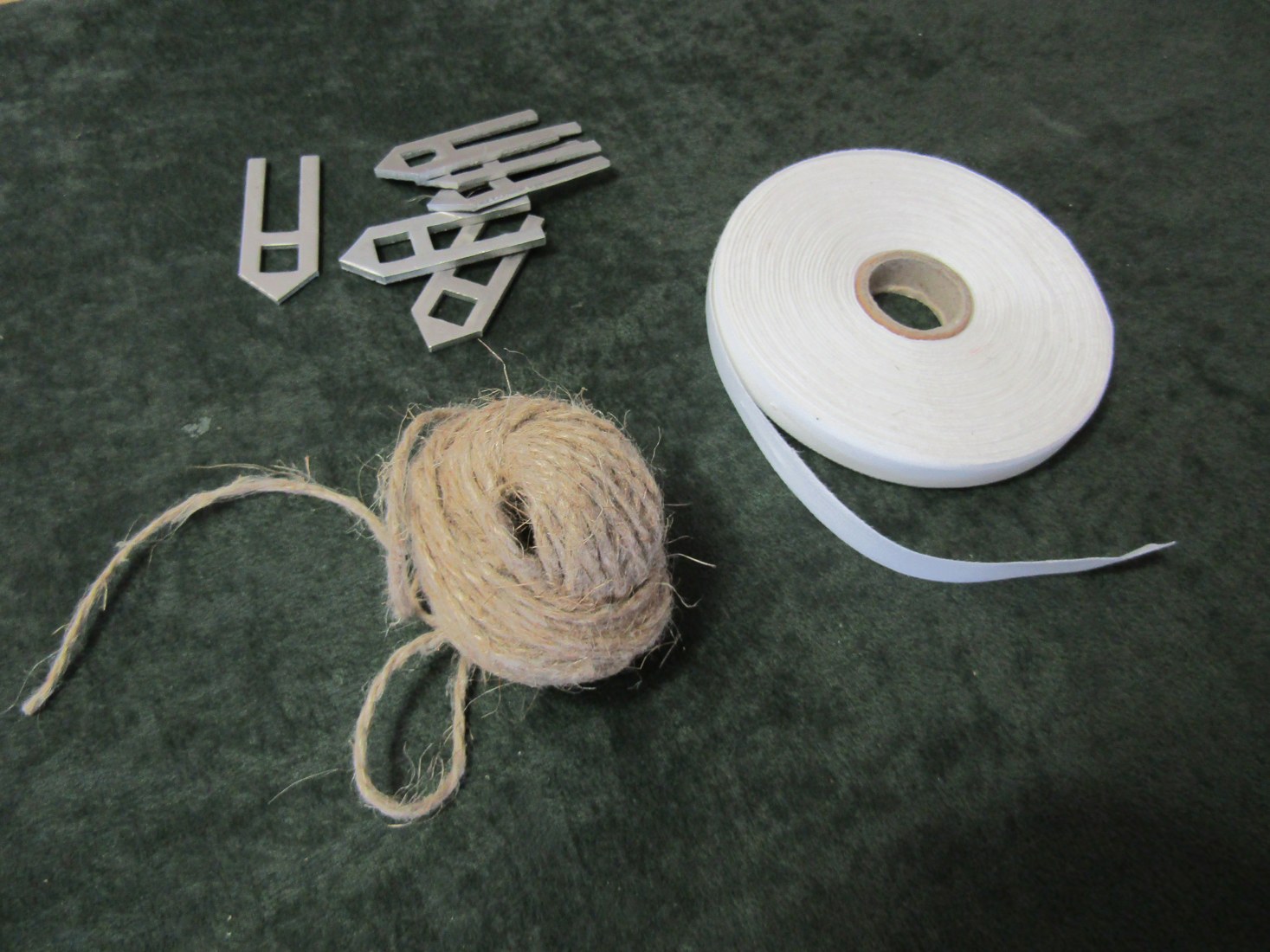
Several reviewed providers say they supply the materials and tools needed during class. That does not necessarily mean you receive a tool kit to take home. Ask separately about paper, cover board, cloth, thread, glue, decorative materials and any take-home notes or supplies.
Takizeszyt says all necessary materials and tools are supplied. The piszTU workshop rules make a similar promise while leaving the duration and scope to the individual event description. An inclusive materials policy still needs to be read alongside the exact project you selected.
Oficyna Peryferie's past October 2026 listing included materials for three bindings and a written outline for later reference. Nice Letter's historical event additionally offered a bone folder as a gift. These are event-specific inclusions, not things every studio must provide.
Choose decoration within the agreed programme
If colour and decoration matter, ask what choices are available on the selected date. A studio may offer prepared papers, fabrics or patterns rather than unlimited customisation. Bring an idea, but check before expecting to use your own materials or reproduce a design from a photograph.
Dźwiedźma's page describes choosing from papers, cover materials and gilding patterns. It also says that a file for a participant's own gilded design must be sent before the workshop. That is a useful reminder that preparation can happen before arrival.
Ask about the file format, deadline and whether custom work changes the price or schedule. A workshop description mentioning personal designs does not establish that any image can be used or that a complex design can be prepared at the table on the day.
Confirm language and the kind of help you need
A practical subject still involves explanations. Ask whether the teacher can explain the project, demonstrate tool use and give individual feedback in English or another language you understand. An English answer to an enquiry does not prove that the workshop itself is English-led.
Explain that you are new to the terminology if that is the case. Nice Letter's programme, for example, included book-construction vocabulary and an introduction to tools before practical work. If a written handout is supplied, ask what language it uses and whether it follows the same project.
This guide is not a cutting, gluing or pressing tutorial. Follow the instructor's on-site demonstrations and rules. If you are unsure about a tool or a step, ask before continuing rather than treating a photograph or a short online description as operating instructions.
Ask about the venue, not just the neighbourhood
A studio can be in a courtyard, a shared workspace or an upper-floor room. Dźwiedźma's page describes workshops at Skos Studio on the third floor of a Gdańsk building. That detail should prompt an access question, not an assumption that a lift is available or absent.
Confirm the current address, entrance, stairs or lift, toilets, seating and table arrangements. If you need a particular adjustment, describe it before paying. A workshop described as suitable for everyone does not verify that the physical route or work setup meets every need.
Check travel against the actual event location, not the seller's registered address. The piszTU rules identify the organiser but say workshops take place where the event description specifies. A business contact address is not necessarily where participants should arrive.
Understand group size and when the event will run
Ask how many participants the session accepts and whether a minimum group must form. Takizeszyt describes groups of up to ten. The reviewed piszTU rules describe a maximum of six and a minimum of four for the event to proceed.
Hertmanus's July 2026 listing described four places with a minimum of two participants, while Dźwiedźma's page says a group below four may be cancelled with the workshop cost returned. These examples are provider-specific; they do not establish how many places remain in a future session.
Before arranging travel, ask when you will hear that the workshop is confirmed and what happens if it moves. A purchased ticket and a guaranteed event are not always the same thing when minimum attendance conditions apply.
Know what completes the booking
Read the selected organiser's process before treating an enquiry as a place. piszTU's rules say tickets are bought through its website and places are allocated by applications confirmed by payment. They require the full fee and describe an email reminder three days before the event.
A reminder is not a substitute for checking the original confirmation. Keep the accepted date, format, location and payment record together. If a listing has old dates or says out of stock, ask about a new event rather than assuming the same timetable repeats.
For a private group, confirm the agreed programme, participant count and cancellation terms in writing. A provider offering individually arranged dates does not mean that an ordinary public-workshop ticket reserves a private room or exclusive teacher.
Read cancellation and photo terms before paying
piszTU's posted rules describe a full refund for cancellation up to seven calendar days before the workshop, with written notice, and no refund for later cancellation or an unannounced absence. They allow transferring the place to another person after agreement with the organiser.
Other pages use different language. Nice Letter's historical listing required at least five days' notice and did not guarantee reimbursement after that point. Oficyna Peryferie's past event described a seven-day ticket-return limit and the possibility of moving to another date for later withdrawal. Do not combine these into one general policy.
Also check photographs. piszTU's terms describe promotional photography and ask someone who does not consent to image use to tell the organiser in writing before the workshop. These are descriptions of posted terms, not a legal verdict. Ask for the current version and how your preference is recorded.
Plan how to take the notebook home
Ask whether your work leaves with you, needs drying time or requires collection later. Takizeszyt says participants take their notebook home; Hertmanus's past course asked people to bring something for packing their work. Follow the selected teacher's advice about transport rather than assuming the finished object can be put loose into a bag.
A useful first enquiry is: "I am an adult beginner looking to make a notebook. Can I follow the instruction in English, what project and materials are included, and is this one day or several meetings?" Then confirm access, booking, cancellation and collection. A hobby workshop introduces a process; it is not a promise of professional training or conservation skills.
Frequently asked questions
Are bookbinding workshops suitable for complete beginners?
Some explicitly welcome beginners; others expect confident measuring and cutting. Check the selected programme rather than relying on the title.
Will I need to bring tools?
Several reviewed providers supply materials and tools for class. Confirm the event’s list and distinguish borrowed tools from take-home supplies.
Do two listed dates mean a two-day course?
Not always. They can be two meetings for one project or alternative dates for separate one-day sessions. Confirm the full commitment.
Can teaching be in English?
Ask about demonstrations, tool explanations, individual feedback and any handout. An English booking reply alone does not establish English-led teaching.
Can I take my notebook home straight away?
Ask the selected organiser about drying, packing and collection. A provider’s take-home promise for one event does not establish the arrangement elsewhere.
Sources
- piszTU workshop rules, hosted in July 2025 folder; checked 28 October 2026
- Nice Letter past workshop, 24–25 August 2024; checked 28 October 2026
- Oficyna Peryferie past workshops, 23 or 24 October 2026; checked 28 October 2026
- Takizeszyt workshop description, undated; checked 28 October 2026
- Dźwiedźma workshop page, listed dates January 2026; checked 28 October 2026
- Hertmanus past course, 17 July 2026; checked 28 October 2026