Carrying 10,000 euro or more into or out of the EU: cash declaration
Short answer: Anyone entering or leaving the EU with cash and similar funds worth 10,000 euro or more must declare them at the border, on a paper form or by pre-filling it on PUESC. Failure is punishable by a fine.
If you travel into or out of the European Union with 10,000 euro or more in cash or similar instruments, you must declare it at the border. This applies to expats too, for example when you bring savings from home, or take cash to a country outside the EU. This guide follows the Polish returns portal Powroty (article current as of 22 May 2026), the border portal granica.gov.pl and the customs portal PUESC. Details are as of 17 October 2026. Check the current text before you travel.
The 10,000 euro rule
The Powroty page says that if you bring into the EU, or take out of the EU, cash and similar funds with a combined value equal to or above 10,000 euro, you must declare them to the competent authorities when crossing the border. You fill in a special declaration in two copies, which in Poland a customs officer should stamp and sign.
The rule is about the border of the EU, not the border of Poland. A person carrying funds means anyone entering or leaving the EU with the funds on them, in their luggage or in their vehicle.
What counts as cash
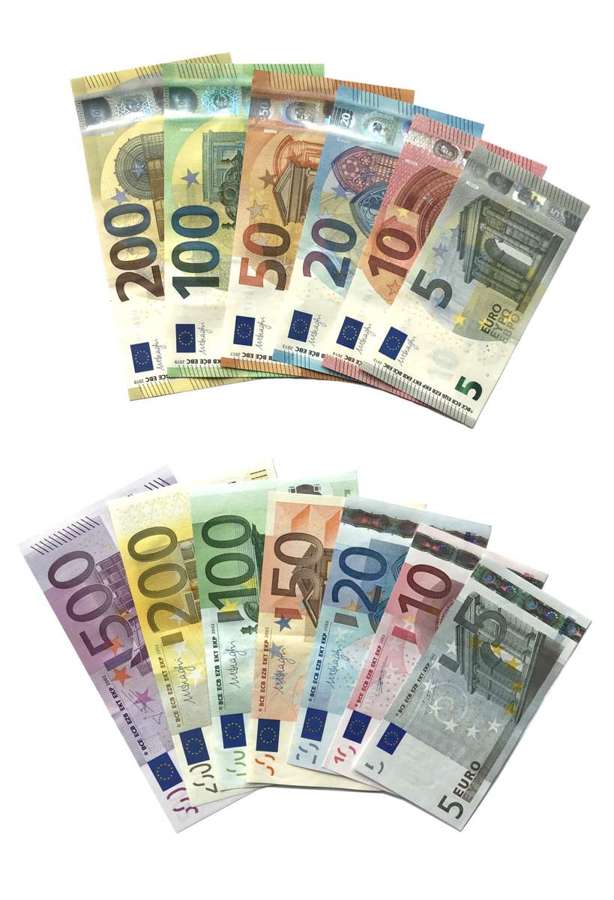
The Powroty page splits "cash" into four categories:
* cash: banknotes and coins in circulation, or that can still be exchanged at banks for current ones * bearer negotiable instruments: travellers' cheques, and cheques, bills of exchange or money orders made out to the bearer or in other forms that pass title on delivery * commodities used as highly liquid stores of value: gold coins with at least 90 percent gold, and bullion bars, nuggets or lumps with at least 99.5 percent gold * prepaid cards: non-personalised cards that hold value or give access to funds and are not linked to a bank account
All of these count towards the 10,000 euro together.
How to value what you carry
To find the euro value, the Powroty page says to use the average exchange rates published by the National Bank of Poland (NBP) on the day before the crossing. For 1000 US dollars, for example, you convert the dollars to zloty and then the zloty to euro, using the NBP average rates of the day before you cross. This is the page's own method.
How to declare
On the paper route, you fill in the declaration form, Annex I part 1 of Regulation (EU) 2018/1672, in two copies. The border portal says the forms are available in Polish, English, French and Italian, with an additional sheet if needed. You hand the declaration to the customs authority (KAS in Poland) when crossing and show the declared funds for inspection.
There is also an online route. According to the border portal and PUESC, a private person who logs in to PUESC can register a pre-filled declaration and send it to the customs service. You then tell the customs officer at the crossing that you want to use it, and after verification you receive the approved declaration on paper to sign. PUESC says:
* the service is not mandatory * it is open 24 hours, 7 days a week, in several language versions * you do not have to give the place or date of the planned crossing * you need a PUESC account with the basic scope of rights
You need to prepare your travel document details, such as your passport number, the details of the owners and recipients of the funds if they are not only you, and information about the origin and intended use of the funds.
PUESC says it can also be used to file a voluntary declaration for amounts below the threshold.
Checks and penalties
The Powroty page says that on request, you must present the funds for inspection. The authorities may check your luggage, vehicle and person to see whether the duty was met for all the funds. Even people who do not declare cash can be checked.
In Poland, failing to declare funds brought into the country, or giving false data in the declaration, is punishable by a fine for a fiscal offence. A fine can also be imposed if you do not present the funds for inspection when asked. The page does not give the amount of the fine.
Movement inside the EU
The Powroty page notes that EU member states can set their own national rules, which may require declaring cash even when crossing their internal borders. The page does not set out the Polish rules for this, so ask the customs service if you plan to carry large sums between EU countries.
What the pages do not say
The sources do not say how the rule treats bank transfers, and they give no advice on tax or on the origin of funds beyond what the form asks. They also do not say whether declared funds are passed to the tax authorities.

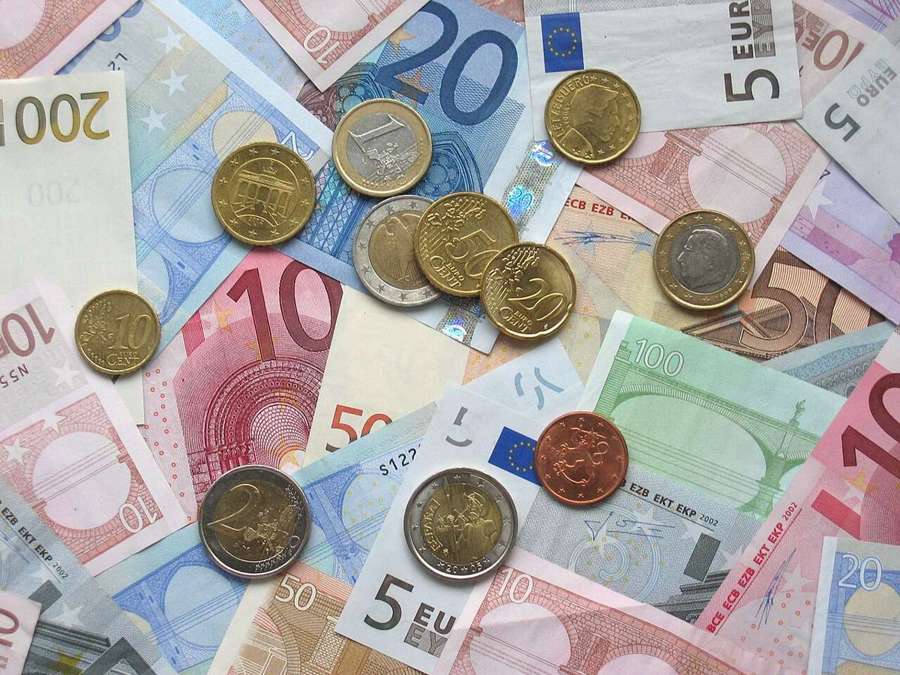
* Photos: cover, euro coins and banknotes (public domain, Wikimedia Commons); body, Polish-Czech border crossing at Jodłów, an internal EU border shown for illustration only (public domain, Wikimedia Commons).
Frequently asked questions
Do I have to declare 10,000 euro in cash when entering Poland?
If you enter the EU, or leave it, with cash and similar funds worth 10,000 euro or more, yes. The Powroty page says to declare them to the competent authorities at the border.
Can I fill in the declaration online?
Yes, optionally. PUESC lets you register a pre-filled declaration, which you then confirm with customs at the crossing. The border portal also offers paper forms in four languages, including English.
How do I convert dollars to euro?
The Powroty page says to use the NBP average rates of the day before the crossing: dollars to zloty, then zloty to euro.
What if I don't declare?
In Poland this is punishable by a fine for a fiscal offence, according to the Powroty page, which does not give the amount.