Copernicus House Toruń: Science, Gothic Rooms and a First Visit
The essentials: Copernicus House is at Kopernika 15/17. October-April: Tuesday-Sunday 10:00-16:00; Monday closed. Exhibition 33/28 zł; permanent exhibitions free Thursday. Optional audio 15 zł. Cinema is separate; confirm English screenings and current price. Lift access is partial.
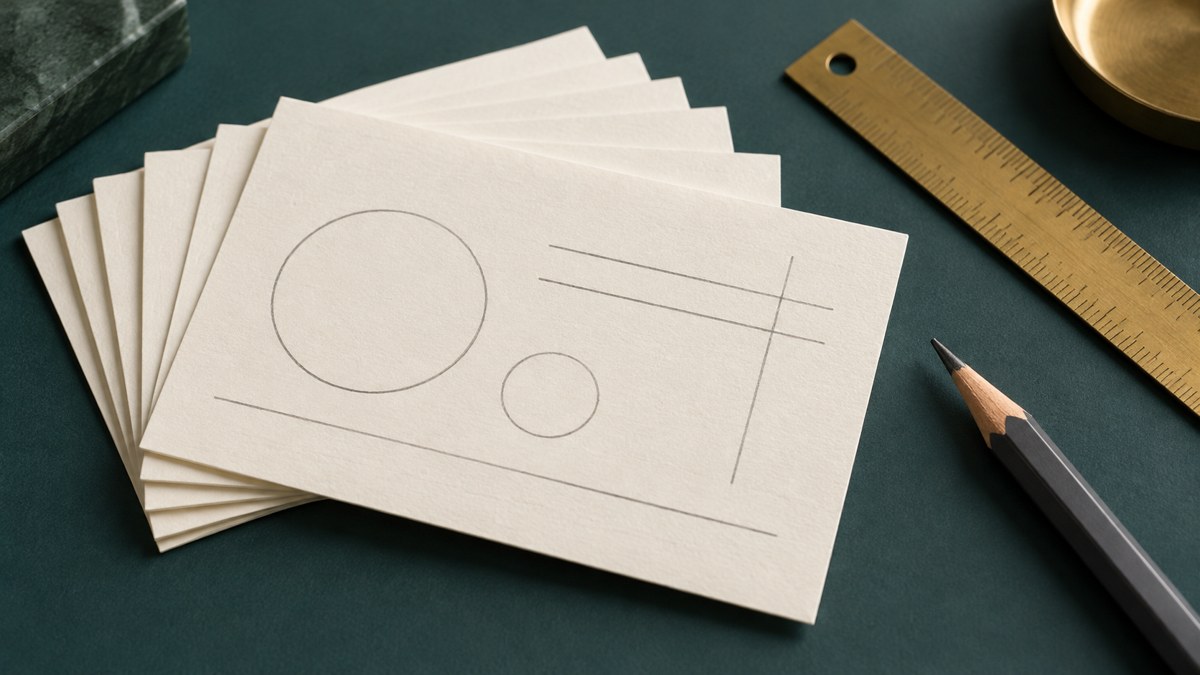
Generated editorial still life of modern wire-loop and sphere props, not an astronomical instrument, museum object or scientific scale model.
The Nicolaus Copernicus House in Toruń is a museum about an astronomer, science and the setting of a historic urban household. It occupies two Gothic tenements at Kopernika 15/17 that once belonged to the Copernicus family. It is worth considering if you want to combine the inside of a merchant house with an introduction to the ideas associated with the city's most famous scientist. Do not expect only a preserved bedroom or only a modern science centre.
The house is a District Museum branch, separate from Warsaw's Copernicus Science Centre and from Toruń's other visitor attractions. That sounds obvious until names become shortened in a booking tab or a map search. Check the city, street and ticket product before paying. The exhibition, an optional audio guide and the cinema are also separate decisions within this one museum, rather than a single undifferentiated admission package.
Read the house through its different subjects
The operator organises the museum around three themes: old and contemporary knowledge, daily life in a late-Gothic Hanseatic household, and Copernicus's life and work. That combination explains why the route can move between domestic spaces and multimedia interpretation. If you arrive interested only in astronomy, the household material may seem like a detour. Treat it instead as the environment in which the museum places the person and his ideas.
The current exhibition follows a substantial modernisation in 2017-2018. The museum describes interactive displays, visual projections, augmented reality and a smartphone application, alongside historic architecture and objects. These are methods of interpretation, not evidence that the historic house itself was a laboratory full of the devices you see represented. Keep the distinction between a period object, a reconstructed room and a modern explanatory installation as you move through the building.
The domestic material includes objects from archaeological excavations in Toruń's Old and New Towns. These help explain material culture and the customs of urban families. They should not all be assumed to have belonged to Copernicus personally. A sensible first-visit question is what an object tells you about the period, followed by what the label says about its actual origin. That avoids turning general historical context into an unsupported personal relic.
Birthplace language needs care
Copernicus's connection with Toruń is central to the museum, and the institution states that he was born in the city. It describes these two tenements as properties once belonging to his family. That is a more careful basis for the visit than promising to show the exact spot where he was born or the precise window from which he first observed the sky. Romantic descriptions of a historic house should not be treated as proof of a specific childhood event.
The medieval roof structure is one of the building features highlighted by the operator, with a starry-sky presentation. It can connect the physical fabric of the house with the museum's scientific subject. Check on arrival which parts of the route are open and which are practical for you to reach. A published description of a display does not guarantee an individual installation is operating or that every room is accessible to every visitor on the day.
Current exhibition tickets and the free day
The current Polish operator page lists exhibition admission at 33 zł regular and 28 zł reduced. The English page still displays 31 zł and 26 zł, so the language versions do not agree. This guide uses the Polish branch tariff rather than averaging the figures or repeating the lower price without comment. Confirm the actual product and total in the operator's ticket system before purchasing, particularly when comparing an older guide or saved page.
Thursday is the published free-admission day for permanent exhibitions. Do not expand that into free cinema, a free optional audio guide or every separately ticketed activity. If you are choosing Thursday to save money, decide which parts of the visit you need and ask about any extras before joining a queue. A free museum day can be a good opportunity, but it does not promise a private route, empty rooms or a particular seat at a film.
The branch says it does not take reservations for exhibition visiting and invites visitors during opening hours. Group cinema bookings are handled separately. This distinction matters when you see an online booking interface: a cinema reservation is not proof that you have reserved the whole exhibition for a timed private visit. Equally, an exhibition ticket does not establish the language, timing or availability of a screening. Read what the actual product includes before committing.
Use the English audio option deliberately
The current Polish tariff lists the audio guide as optional at 15 zł. The exhibition description explicitly includes an English audio version, alongside Polish and German; the access statement also describes additional language and audio-description support. This is stronger language evidence than an old visitor's general impression, but it is still worth asking how to collect the device, what it covers and whether the required equipment is available when you arrive.
An audio guide may be particularly useful if you want the scientific and biographical explanation rather than simply looking through a Gothic interior. An August 2026 visitor review liked the audio guide while finding the wall texts and depth of information less satisfying than expected. That is one person's experience, not a verdict on the whole museum. It helps set a realistic expectation: different visitors may respond differently to the balance of architecture, multimedia and explanation.
Cinema is an additional choice
The operator describes three short film subjects: Copernicus and his family in Toruń, the universe, and the astronomer's predecessors and successors. Each is listed as twenty minutes. Choose a subject because it interests you rather than assuming that the exhibition requires watching all of them. The Polish page says the order is flexible, so a film can sit before, during or after exhibition visiting, subject to the actual programme and a place being available.
English screenings should be arranged or confirmed through the museum rather than assumed from the normal Polish timetable. The English branch page specifically provides a reservation contact for screenings in English. The cinema has its own ticket pricing, and the current Polish table shows changed-price formatting that differs from the English page. Check the current screening price and language in the operator's booking route before purchase; do not add an older film tariff to the exhibition price as if it were a firm quote.
In the October-to-April programme, the published film times run through the museum's shorter winter day. That does not make a screening a substitute for arriving early enough to visit the rooms. If the cinema matters most, anchor the visit around the confirmed session and leave exhibition time on one side of it. If the house itself matters most, avoid letting an optional film use all the time you have before closing.
Hours and enough time inside
The ordinary October-to-April schedule is Tuesday through Sunday, 10:00-16:00, with Monday closed. The May-to-September schedule extends to 18:00. The operator lists ticket purchase and last exhibition entry thirty minutes before closing. Arriving at the cutoff may satisfy a rule on paper, but it leaves little space for a thoughtful visit, collecting audio equipment or a slower route through a historic building. Give yourself a practical margin rather than planning against the final minute.
The current Polish branch page lists 11 November as an open holiday. Check current notices for the precise date and avoid treating a holiday table as an event-availability promise. Some movable-holiday entries differ between language versions, so the English page is not a reliable full current-year calendar on its own. The normal weekly timetable also cannot override an exceptional closure announced later. This is especially important if you return to this guide months after its check date.
Accessibility is partial, not universal
The operator's detailed access statement describes two entrance steps with staff-assisted portable rails. Inside, a lift reaches part of the exhibition but cannot serve every historic room. An adapted toilet in the basement is reachable by lift. Those distinctions are more useful than calling the entire house accessible or inaccessible with one word. Ask the museum which route fits your needs, including any essential room or cinema access, before making this the central visit of the day.
Other published support includes tactile floor plans, audio description and multimedia interpretation. These can improve a visit without removing every architectural barrier. An accessible toilet or an audio guide does not prove that a particular roof-space display can be reached step-free. Check the details that matter to your party rather than relying on a general museum icon or assuming that staff assistance can solve every issue safely.
Current plans are not a newly opened gallery
A November 2026 operator notice describes consultation on future modernisation and protection of the house, including a proposed space for archaeological discoveries. That is a planning announcement, not evidence that the new space is already open to visitors. Do not build your visit around a future project described in a news headline. Use the current branch route for what is offered now, then treat longer-term plans as context for the building's next chapter.
For a first visit, the strongest plan is straightforward: decide whether you want audio and cinema, allow time for both architecture and interpretation, and check access and language separately. The house can introduce Copernicus through the city and period around him without needing to be an untouched personal home. That careful expectation leaves room to enjoy what is actually there rather than searching for a different kind of museum.
Frequently asked questions
Is the whole house step-free?
No. Staff-assisted portable rails address the two entrance steps, and the lift reaches only part of the exhibition.
Is cinema included in free Thursday admission?
Do not assume so. Thursday free admission concerns permanent exhibitions; cinema and optional audio are separate choices.
Sources
- Detailed architectural and interpretation access statement (checked8November2026)
- Current museum notices (checked8November2026)
- Official ticket platform, product and session checks (checked8November2026)
- Current Polish tariff, films and exhibition outline (checked8November2026)
- English audio and screening arrangements, stale tariffs excluded (checked8November2026)
- Future modernisation consultation, not an already-open gallery (checked8November2026)
- Independent visitor planning context (checked8November2026)
- Visitor experience, not policy (checked8November2026)