DiLO Card Poland: Fast Cancer Pathway, 14 Days to a Specialist
Short answer: The DiLO card, issued by an NFZ-contracted doctor who suspects cancer, sets deadlines: specialist within 14 days, diagnostics within 7 weeks, tests fully funded by the NFZ.

If a doctor in Poland suspects cancer, the public system has a fast track called the fast oncology pathway (szybka ścieżka onkologiczna, SSO). You enter it with a DiLO card (Karta Diagnostyki i Leczenia Onkologicznego), also called the "green card". The card brings fixed deadlines for the first specialist visit, the diagnostics and the start of treatment. This guide follows a National Health Fund (NFZ) news item of 14 July 2026 and explains who issues the card, what the deadlines are and what to do if they are not met. It describes the public NFZ system, not private care.
What the DiLO card is
According to the NFZ, the card is a paper document with a signature or an electronic one (e-DiLO) that lets you use the fast oncology pathway. It organises the process, gives quicker access to tests and specialists and moves you through the stages in a coordinated way.
The NFZ says the card is going digital. Through all of 2026 the paper card and e-DiLO work in parallel. A full move to the electronic card is planned from January 2027.
When you get it, and who issues it
You get the card when a doctor suspects cancer, or when a cancer diagnosis is already confirmed. You do not apply for it. The doctor who runs the diagnostics or the treatment decides.
The NFZ says the card can be issued by doctors working under an NFZ contract:
- a primary care doctor (POZ), if they suspect cancer
- a specialist, for example in surgery, oncological surgery, endocrinology, gastroenterology, gynaecology, haematology, oncology, otolaryngology, lung diseases or urology
- a hospital doctor, if cancer is found during a hospital stay
A doctor in a private practice without an NFZ contract cannot issue the card.
The deadlines
The NFZ gives this path:
- First visit with a specialist: within 14 days of the card being issued
- Initial diagnostics (to confirm or exclude cancer) and extended diagnostics (type and stage of the disease): the whole diagnostic process should not exceed 7 weeks, including genetic tests
- Consilium (a meeting of specialists that sets the treatment plan): within 2 weeks of being put on the waiting list
- Start of therapy after the consilium
The NFZ adds that, from the day you report to the hospital until treatment starts, no more than 2 weeks should pass. The exception is a case where the diagnosis is possible only through a diagnostic and treatment procedure. Then the procedure and the treatment plan should be done within no more than 28 days.
Where you take the card
With the card you go to a facility that runs the fast oncology pathway. It can be an outpatient specialist clinic (AOS) or a hospital. At the first visit the specialist takes a detailed medical history, plans further diagnostics and orders the tests.
The NFZ states that tests under the card are unlimited and financed by the NFZ in 100%.
The card belongs to one facility
At each stage the card is assigned to a specific hospital or specialist clinic, so that care happens in one centre. If you decide to change the place of treatment, the current card is closed and a new card for continuing treatment is issued by a doctor in the hospital where you will be treated. The NFZ advises choosing early a facility that offers the full range of therapy for your type of cancer.
Choosing where to be treated, and the coordinator
If cancer is confirmed, you choose the treatment place. There the consilium takes place, the plan is set and therapy begins. The facility appoints a coordinator who watches the treatment process, keeps track of test and visit dates, helps with organisation and information and helps you contact doctors. The coordinator's phone number is on the DiLO card.
If deadlines slip
The NFZ says difficulties with distant test dates happen, even though the system assumes fixed deadlines. If you have trouble booking a test, get distant dates, have booked visits moved or see diagnostics dragging on, contact your regional NFZ branch. The NFZ says each report of irregularities will be checked. NFZ vice president Jakub Szulc is quoted as saying that facilities must respect the time limits that follow from the card and the Minister of Health's regulation.
For foreigners
The NFZ item does not discuss foreigners. As with other NFZ-funded services, access depends on being covered by public health insurance, so check your status with your employer or ZUS, or with the NFZ branch, before relying on it.
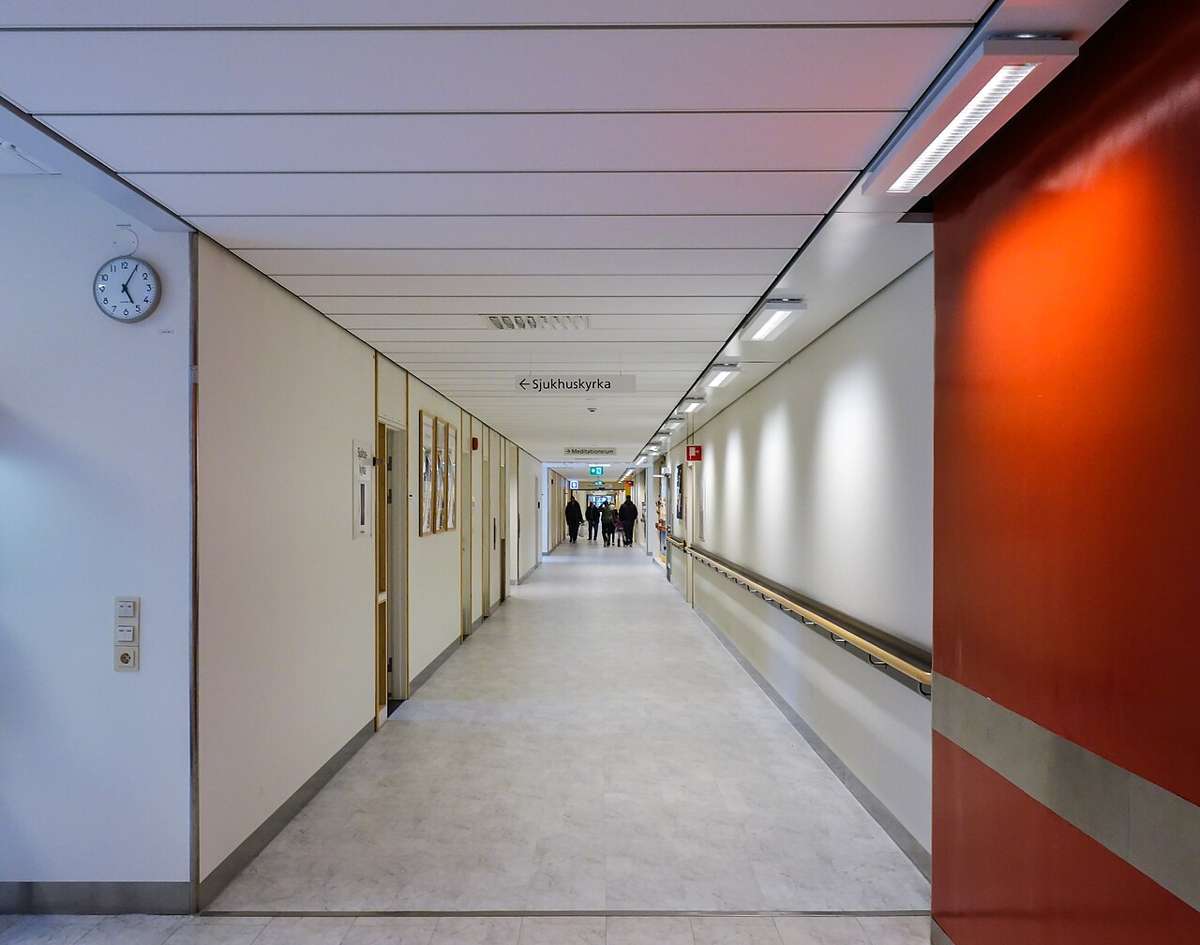
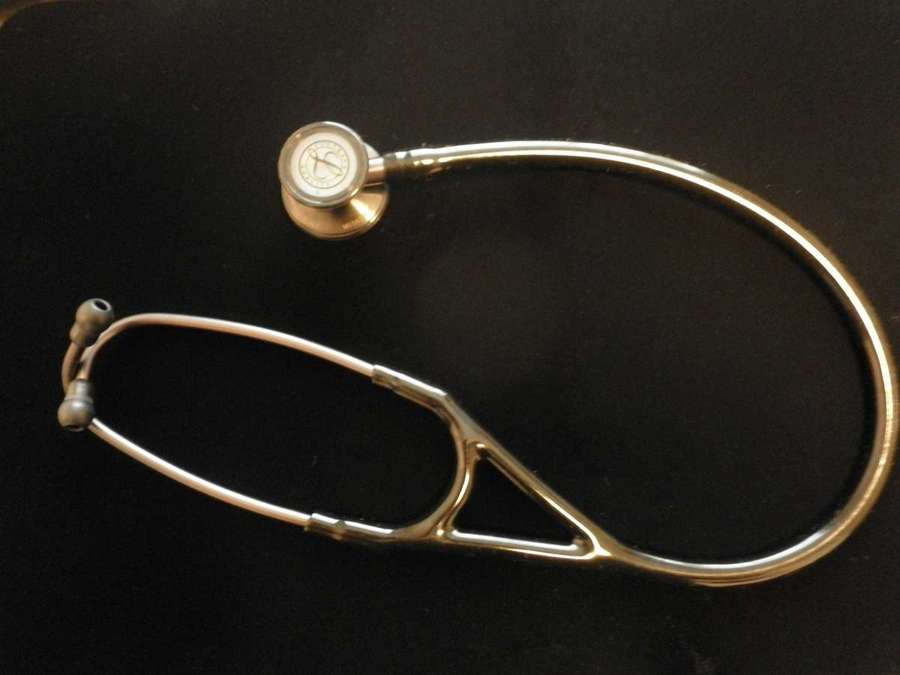
* Photos: My stethoscope (Wikimedia Commons, public domain); hospital corridor, NÄL hospital (Wikimedia Commons, CC0). Both are illustrative and not from Poland.
Frequently asked questions
Do I have to apply for a DiLO card?
No. The doctor who suspects cancer or runs your treatment issues it, according to the NFZ.
How fast should I see a specialist?
Within 14 days of the card being issued. The whole diagnostic process should take no more than 7 weeks.
Can a private doctor issue the card?
Only if they work under an NFZ contract. A private doctor without a contract cannot.
What if I am not seen on time?
Contact your regional NFZ branch, which says it will check each report.