Dog and cat microchip register (KROPiK) in Poland: what changes
Short answer: The KROPiK Act (Dz.U. 2026 poz. 755, published 10 June 2026) makes chipping and registration mandatory for all dogs and owned cats, with main duties starting two years after publication.
Poland has passed a law that will require every dog to be microchipped and registered, and every owned cat as well. It was signed in 2026 and sets up a national register. The rules do not apply yet, so you do not need to act today, but if you live here with a pet you should know what is coming. This guide uses the published law and the Ministry of Agriculture's announcements, as of 15 October 2026.
What the law is
The Act on the National Register of Marked Dogs and Cats (KROPiK) is dated 15 May 2026 and was published in the Journal of Laws on 10 June 2026 (Dz.U. 2026 item 755). The president signed it after the Sejm adopted it. The register is run by the Agency for Restructuring and Modernisation of Agriculture (ARiMR).
According to the law's final provisions, the Act enters into force two years after publication. A few provisions start earlier, 14 days or six months after publication. In practice the main duties will start around mid-June 2028, so check the exact date when it gets closer.
Who must chip and register
The Ministry of Agriculture says the Act requires marking and registration of:
- all dogs, regardless of their date of birth
- cats that have an owner, cats kept in shelters, and cats in foster homes run by organisations
Cats must be identified by the age of three months, according to the ministry's summary of the Sejm version. Municipal councils will decide whether free-roaming (community) cats are included. Farm cats that have no owner are excluded.
The duty falls on the owner. For shelter animals it falls on the shelter, and for animals in a foster home on the organisation.
Who does it and what it costs
A veterinarian puts in the microchip and enters the animal in the register. The ministry says this is meant to make the data reliable. The owner pays.
As described by the ministry in the Sejm stage, the maximum price is 0.56% of the average wage announced by the statistics office (GUS), about 50 zł at the time, for each of the two steps: marking and registration. If your animal is already chipped, only registration is needed. For three years ARiMR is to provide free registration of animals that were marked earlier. Prices could differ in the final regulations, so check the figure when the rules start.
Foreign owners and the data in the register
The register holds the chip number, the animal's name, breed, colour, sex and date of birth if known. For the owner it holds the name, address, phone number and email if you have them, and your PESEL. If you are a person without a PESEL, the Act says the country code and passport number, or another identity document, is recorded instead. So foreign residents without a PESEL are covered by the law.
What owners get
Owners will be able to check their animal's data through the mObywatel app. They can change some details and get reminders for rabies vaccination, according to the ministry. Some data updates will be linked to the PESEL register.
Why the register exists
The government says the register is meant to reduce animal homelessness and the growing costs that municipalities bear, and to make it easier to react when a pet is lost or abandoned. With a registered chip, a vet or shelter can find the owner quickly. The ministry expects the register to cover around 8 million dogs and 6 million cats in the end, and says that within five years it will include the whole dog population and a large part of the cat population. The system is being built in stages, so some details, such as the procedure for already chipped animals, will be clarified later.
What you should do now
- If your dog or cat is not chipped, ask your vet about microchipping. A chip is already the usual way to identify a pet.
- If you plan to bring a pet from outside the EU, the existing rules still apply. See our guide on bringing a dog or cat to Poland.
- Keep your pet's vaccination record and chip number together.
- Watch for the ARiMR announcement of the start date and the process for registering already chipped animals.
This article describes the law as published. The details of the procedure will come in implementing regulations and in the system ARiMR is building.
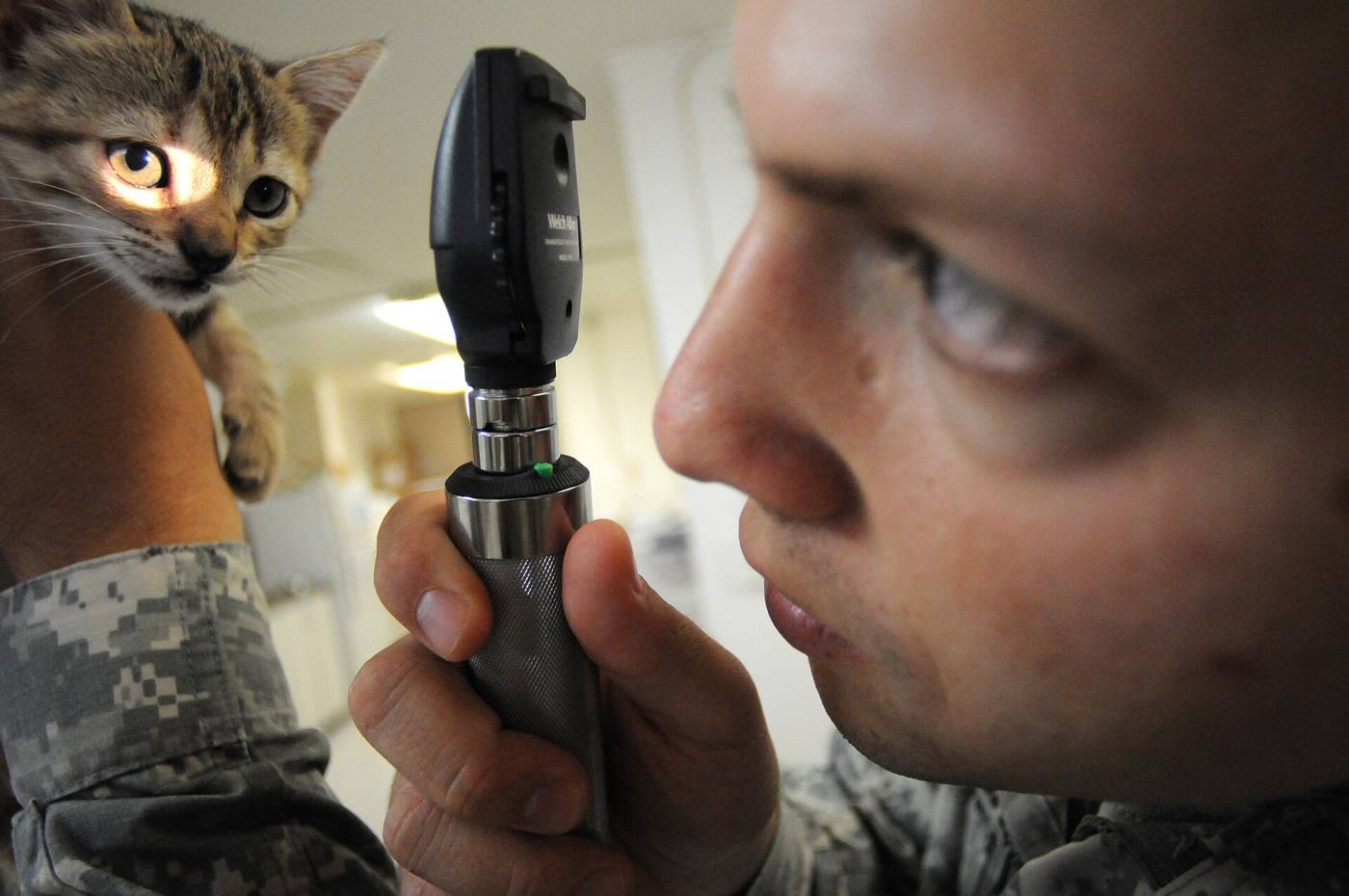
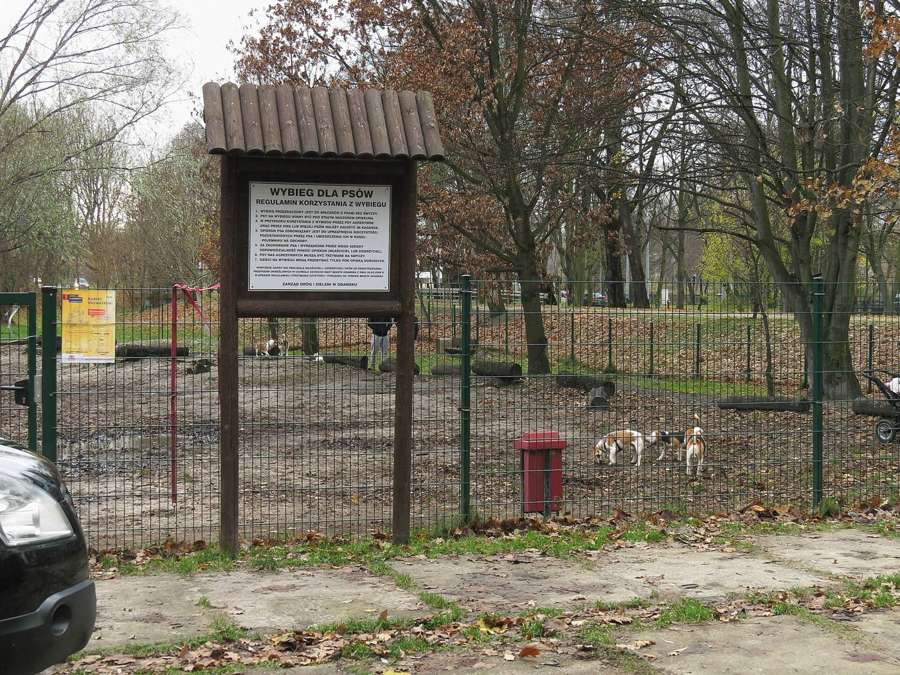
* Photos: Dog park in Jelitkowo (CC0) and kitten check-up (public domain) via Wikimedia Commons.
Frequently asked questions
Is microchipping a dog mandatory in Poland?
It will be. The KROPiK Act, published on 10 June 2026, requires marking and registration of all dogs. The main provisions start two years after publication.
Do cats have to be chipped in Poland?
Cats that have an owner, live in a shelter or are in a foster home will have to be, by three months of age. Municipalities decide about free-roaming cats.
How much will chipping and registration cost?
The ministry gave a ceiling of about 50 zł for each step as of the Sejm stage. Already chipped animals only need registration, and ARiMR is to register them free for three years.