Electricity Bills in Poland 2026: Freeze Over, Prices Down, Bills Up
Short answer: Poland's three-year electricity price freeze ended on 1 January 2026. The URE-approved energy price averages 495.16 zł per MWh, below the old frozen price, but distribution tariffs rose 9.36%, leaving a typical G11 household bill about 3% higher.
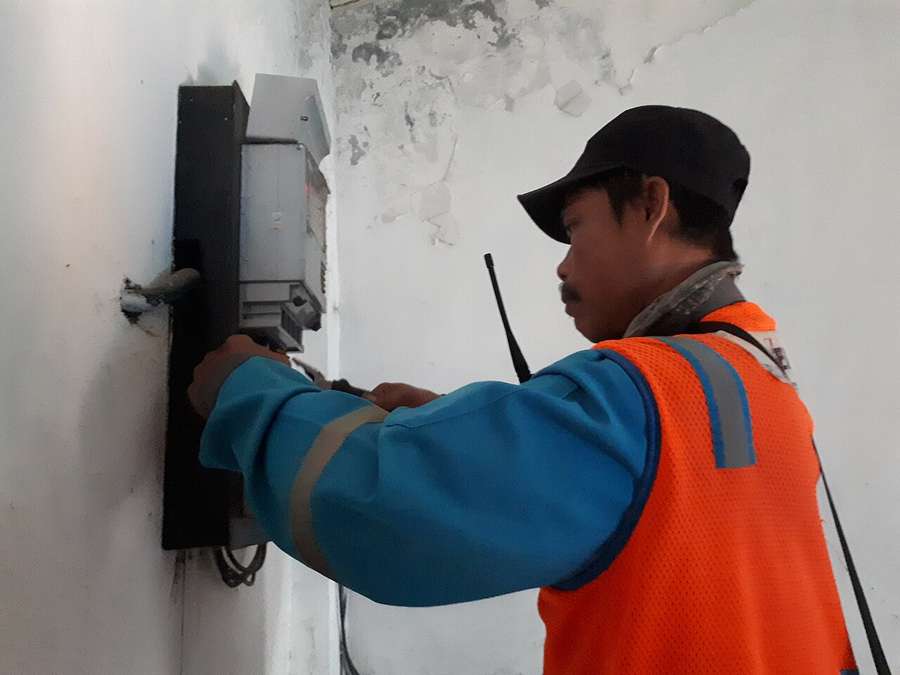
Poland ended its three-year electricity price freeze at the close of 2025, and 2026 is the first year households are back on regulator-approved tariffs. The outcome is better than many feared: the energy itself got slightly cheaper, but the network part of the bill went up, so the average household pays a little more overall. Here is what changed on 1 January 2026 and what it means for your bill, based on the regulator URE's official announcement of 17 December 2025.
The freeze is over, and prices actually fell
Since 2023, Polish households were shielded by a statutory price freeze at 500 zł per MWh. That mechanism expired at the end of 2025. For 2026, the President of URE approved sale tariffs for the four default suppliers (PGE Obrót, Tauron Sprzedaż, Enea and Energa Obrót) at an average of 495.16 zł per MWh, before excise and VAT. That is about 14% below the tariffs approved for the last quarter of 2025 and roughly 1% below the old frozen price, driven down by falling wholesale market prices.
Distribution is where the increase hides
Your bill is two products: the energy you buy and the network that delivers it. While the energy price fell, URE approved distribution tariffs that rise by 9.36% on average, about 28 zł per MWh, as grid operators fund investment in expanding and modernising Poland's transmission and distribution networks. On top of that, the extra charges itemised on household bills, such as the cogeneration, capacity, renewables and quality fees, grew by about 7.6% on average.
Two of those charges are now fixed numbers worth knowing: the capacity fee (opłata mocowa), which finances generating capacity kept ready for the grid, costs 17.18 zł per month for a household using between 1.2 and 2.8 MWh a year; the renewables fee (opłata OZE) is 7.3 zł per MWh.
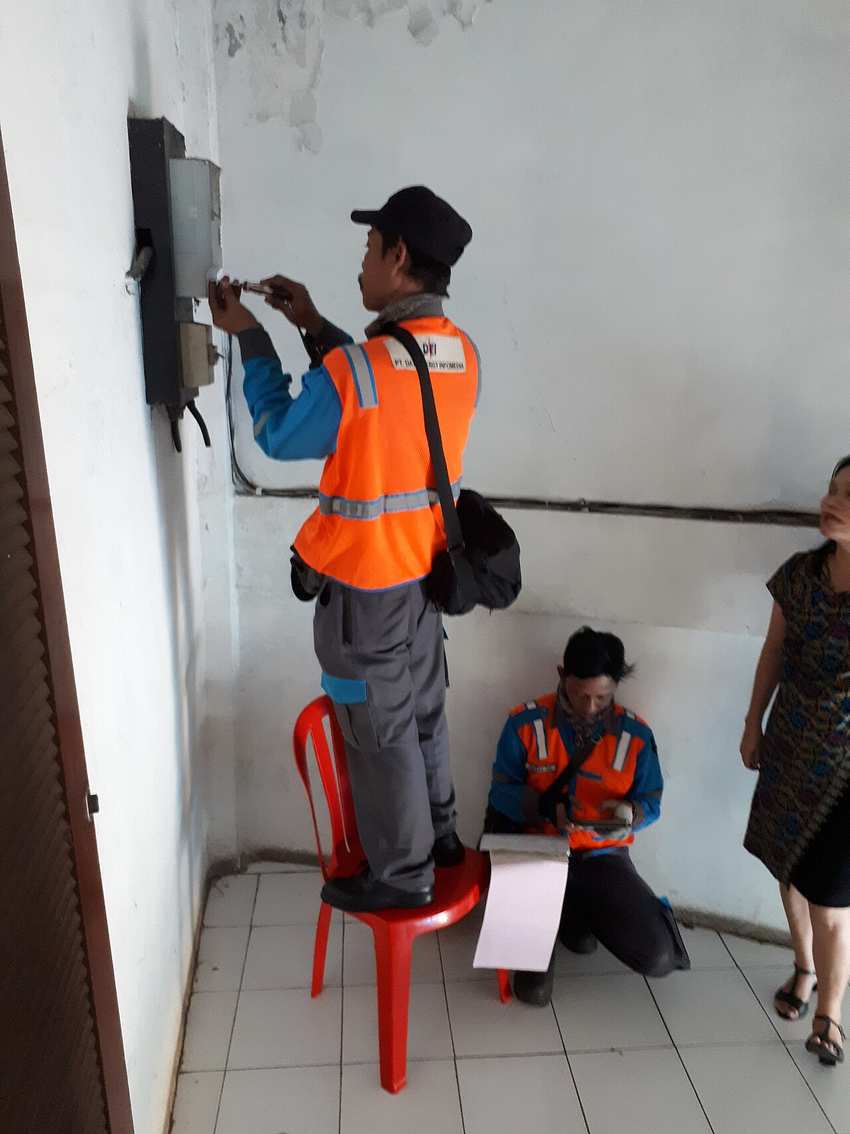
What it means for a typical bill
Put the cheaper energy and the pricier network together and the net effect is mild. Around 90% of Polish households sit in the G11 tariff group with an average annual consumption of 1.8 MWh. For a household at that usage, URE estimates the average monthly bill in 2026 rises by about 3%, roughly in line with inflation. The era of crisis-price electricity in Poland is, for now, over: the regulator's framing is that the freeze is no longer needed because approved prices have fallen back below the frozen level.
What expats should do with this
If you rent a flat with utilities in your name, the 2026 changes flow through automatically on your next bills; there is nothing to sign or file. Two moves are still worth making. First, check which tariff group you are in: G11 is the flat single-rate tariff most homes use, while G12 and similar time-of-use tariffs charge less at night and can pay off if you can shift usage such as laundry, dishwashing or electric heating to off-peak hours. Second, if your apartment block or landlord settles electricity through a shared contract, ask how the new tariffs are being passed through, because building-level arrangements vary.
For households that heat with electricity or use more than average, the distribution increase matters more than the headline suggests, since network charges scale with consumption. And if you are comparing offers from alternative suppliers, note that URE's approved tariffs apply to the default sellers; market offers can differ, so compare the full price including the monthly seller fee, not just the per-kWh rate.
Frequently asked questions
### Did electricity get cheaper or more expensive in Poland in 2026?
Both, depending on the component. The approved energy sale price fell to an average of 495.16 zł per MWh, below the old 500 zł frozen price, while distribution tariffs rose by about 9.36%. URE estimates the net effect for a typical household is a monthly bill about 3% higher.
Is the electricity price freeze still in force?
No. The statutory freeze at 500 zł per MWh, in place for over three years, expired at the end of 2025. From 1 January 2026 households on default contracts pay the URE-approved tariffs.
What is the capacity fee on my Polish electricity bill?
The opłata mocowa finances power plants being paid to stand ready for the grid. For a household consuming 1.2 to 2.8 MWh per year it is a fixed 17.18 zł per month in 2026, itemised separately on the bill.
Can I switch electricity suppliers in Poland as a foreigner?
Yes. Supplier switching is open to any consumer regardless of citizenship; you sign a contract with the new seller and they handle the transfer. Compare the energy price, the seller's fixed monthly fee and contract length before switching.