Electricity bills in Poland 2027: new monthly fee, two-part tariff
Short answer: Under a regulation in force since 5 September 2026, sellers will split the bill into an energy price and a fixed monthly fee, and distributors drop their own fee from 1 October 2026.
What changed in the rules
A regulation of the Minister of Energy of 3 September 2026 (Journal of Laws 2026, item 1182) sets how electricity tariffs are calculated and how customers are billed. It was published on 4 September and took effect on 5 September 2026, according to EnergyDock's report of 13 October 2026 and the regulation itself.
The practical change for households is in the bill's structure. Electricity sellers will calculate two things: the price of the energy, and a fixed monthly subscription fee (opłata abonamentowa). Separately, distribution companies stop charging their own subscription fee. According to EnergyDock, the total cost for an average customer is not meant to change, because costs that now sit inside the price per kWh are shown separately. This article is general information based on the regulation text and that report.
How the seller's two parts work
Under § 23 of the regulation, a seller calculates:
the energy price, based on planned justified costs of buying the energy and related obligations, such as renewable energy certificates;
the subscription fee, based on planned justified costs of the sales business, including commercial customer service and shared costs of that activity.
The subscription fee is a single monthly rate in PLN per metering point. It is charged for each month and each metering point, in proportion to the number of days the contract with the final customer is in force in that month. For example, a contract that starts on 21 January pays the fee for the days left in January, not the full month.
Rates can differ by customer type
The rates for the fee may differ by annual consumption, by billing period or by the nature of the use. The regulation names the frequency and regularity of use of the supply point, seasonal or occasional use, and the way the building is used, if these affect the fixed costs of serving that point.
So a holiday flat and a large family house may have different fees. If the fee depends on annual consumption, the customer is placed in a band using the energy used in the year ending on the last meter reading. If you used energy for less than a year, the total used up to the last reading is applied. If billing is based on forecasts, the consumption declared in the contract is used until a reading allows the band to be set.
Timeline
Distribution companies. The distribution subscription fee stops from the first day of the calendar month after the regulation took effect (§ 56). The regulation took effect on 5 September 2026, so that is 1 October 2026. This is based on the regulation text, and the date calculation is ours.
Large sellers. Sellers with more than 100,000 customers had 14 days from entry into force to ask the President of the Energy Regulatory Office (URE) to change their tariffs. Until the changed tariff takes effect, the existing tariff applies.
Other sellers. Tariffs in force on 5 September remain valid for the period set in URE's decisions, except those of the large sellers.
The EnergyDock article says the two-part sales tariff applies to tariffs approved for 2027. Check with your seller for the date that applies to your contract, because this depends on the tariff and contract.
What to do
When comparing offers from 2027, add the energy price and the monthly fee. A low price per kWh with a high fee can cost more for a low-use home, and a higher kWh price with a low fee can suit a high-use home. EnergyDock gives the same advice.
Check your next bill for a line called opłata abonamentowa. After 1 October 2026, the distribution part of it should disappear from the network charges, according to the regulation. Ask your seller or distributor if it does not.
If you are on a fixed-price contract with a seller, the terms of your contract apply. The sources do not explain how the new regulation interacts with existing fixed-price contracts, so read your contract or ask the seller.

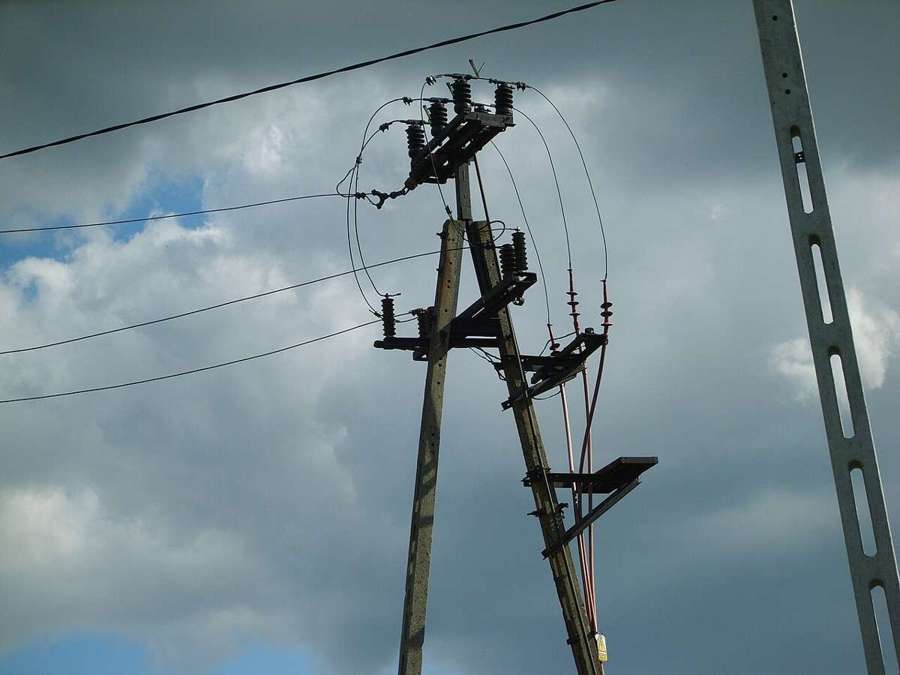
* Photos: electricity pole equipment (public domain) and a utility worker at a meter (CC0), via Wikimedia Commons. Both are illustrative and may not show Poland.
Frequently asked questions
What is the opłata abonamentowa on an electricity bill?
A fixed monthly fee per metering point. From the 2027 tariffs, sellers will show it separately from the energy price. Distribution companies stop charging their own fee from 1 October 2026, according to the regulation.
Will my electricity bill go up because of this?
Not by design. EnergyDock reports that URE says the total cost for an average customer should not change, because the fee only separates costs already inside the price per kWh. Low-use customers may see a bigger share in the fixed fee.
Is the fee the same for everyone?
No. The regulation allows different rates by annual consumption, billing period and the nature of use, such as occasional use of a holiday home.
When does the two-part price apply?
From the tariffs approved for 2027, according to EnergyDock. Your seller's tariff and contract decide the exact date.