Enrolling a Foreign Child in a Polish Public School
Short answer: Children aged 6-18 living in Poland must be in education, and foreign pupils attend public schools on the same terms as Polish children. They get free Polish lessons (min 2h/week, up to 5h/week with remedial classes) and may join a preparatory class of max 15 pupils with intensive Polish for up to a year.
If you move to Poland with children, school is not optional: Polish law makes education compulsory from age 6 until 18, and that duty covers foreign children exactly as it covers Polish ones. The good news is that public schools must take your child on the same terms as local children, free of charge, and the system has dedicated support for kids who arrive speaking little or no Polish. Here is how it works, based on the Ministry of Education's guidance and the foreigners' office handbook for parents.
Compulsory education applies to your child too
Under Polish law every child from age 6 until turning 18 must be in education, and the Office for Foreigners (UDSC) is explicit that parents holding full parental responsibility are the ones who carry that duty - they enrol the child in kindergarten or school. Children aged 7-18 who arrived from abroad, including those seeking or covered by international protection, learn in public schools on the same principles as Polish children, per the Ministry of Education (MEN).
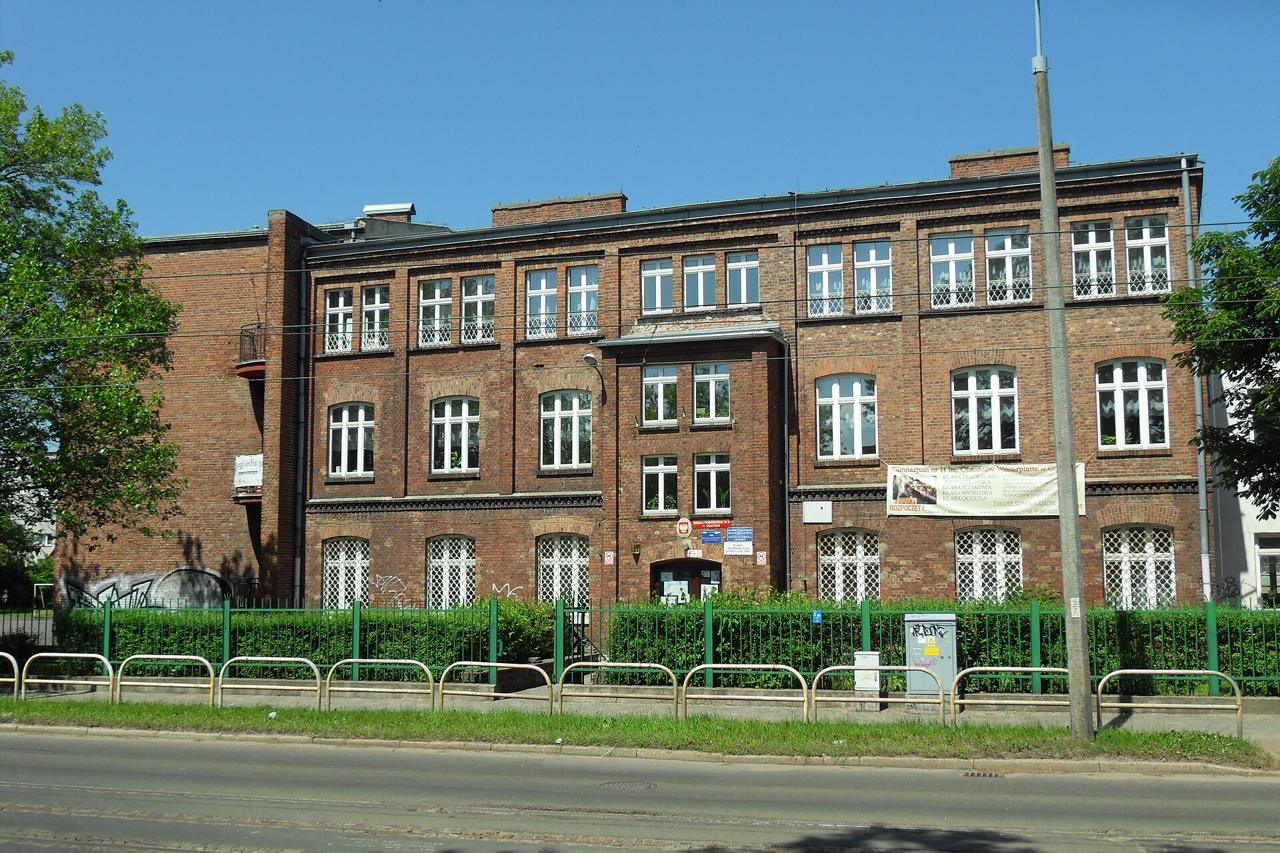
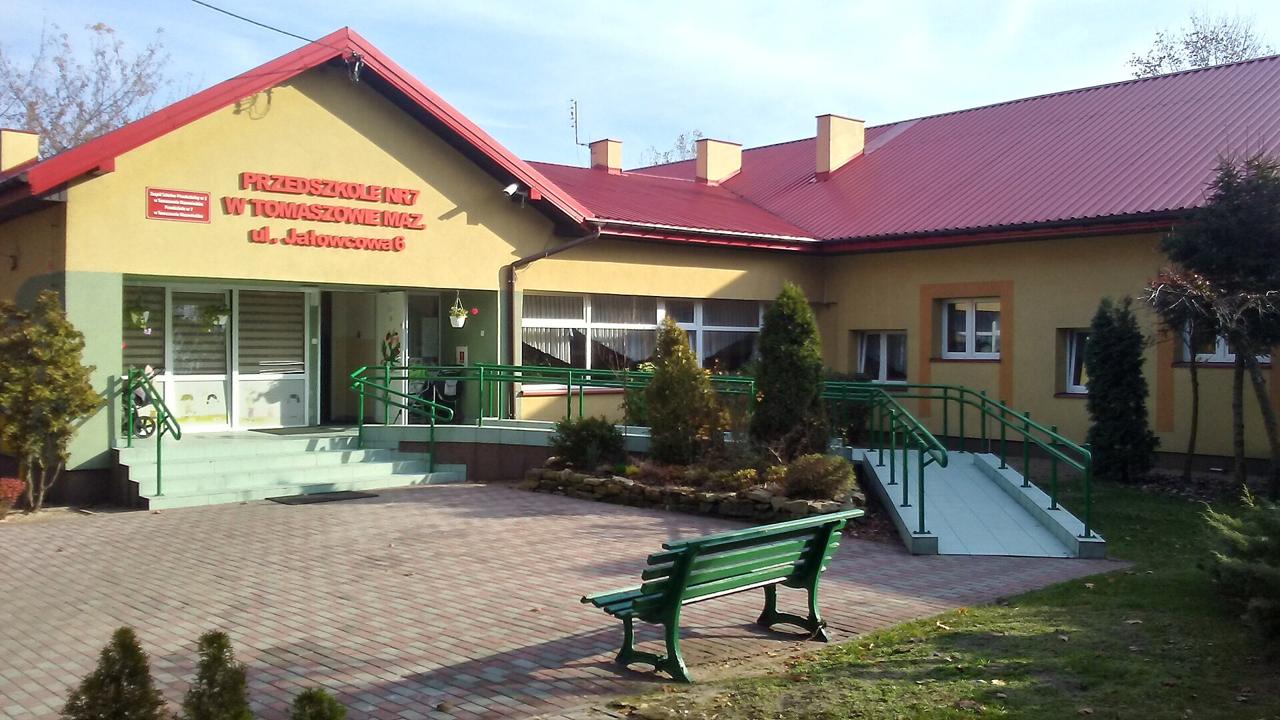
Most foreign pupils simply join a regular class alongside Polish peers. Enrolment for primary school is handled by your local catchment school (the one assigned to your address); the UDSC publishes a parent handbook covering admission rules, recruitment dates and required documents in ten languages, including English.
Free Polish-language support
Children who do not know Polish or know it weakly have a legal right to extra teaching:
- Additional Polish lessons - at least 2 hours per week, free of charge.
- Remedial classes in other subjects, if the child needs them.
- The combined total of this extra support is capped at 5 hours per week.
The school is obliged to organise this; you do not have to arrange or pay for it.
Preparatory classes (oddzialy przygotowawcze)
For children who need more than a few hours of language support, schools can run preparatory classes - sometimes called welcome classes. A child can be placed in one if they do not know Polish or know it weakly, struggle to adapt because of cultural differences or a change of education environment, or carry difficulties from crises such as armed conflict or natural disasters. Key facts from MEN:
- Classes have no more than 15 pupils.
- Polish as a foreign language is taught for at least 3 hours a week, while the child follows the core curriculum adjusted to their abilities and language level.
- A preparatory class can be created mid-year if a group of newcomer children arrives at the school.
- A child normally stays in the class for the school year they were admitted, but the pedagogical council can shorten or extend that by at most one school year.
What you need to enrol
Practice varies slightly by municipality, but expect to show your child's identity document (passport), proof of address in the school's catchment area, and previous school records if you have them. For mid-year arrivals, go directly to the catchment primary school - it must admit a child subject to compulsory education. The legal framework is the 2023 regulation of the Ministry of Education and Science on the education of persons who are not Polish citizens (Monitor Polski 2023, item 2301), which sets out the language support and preparatory-class rules in force today.
For secondary school the route is different: teenagers follow the same entrance process as Polish pupils, so it is worth contacting the local education authority (kuratorium or the city education office) early, especially in larger cities where popular schools fill up. Keep any foreign school certificates you have - the school uses them to place the child in the right grade, and if documents are missing the head decides placement based on an interview.
Frequently asked questions
### Does my child have to attend a Polish school?
Education is compulsory from 6 to 18 for every child living in Poland, but "education" is the duty, not a specific school - public school is the default and the free option, while private and international schools also satisfy it. What you cannot do is simply not educate your child.
We arrived mid-year. Will a school take my child?
Yes. A catchment primary school must admit a child covered by compulsory education whenever they arrive, and if several newcomer children arrive at once the school can even open a preparatory class during the school year.
Will the extra Polish lessons cost us anything?
No. Both the additional Polish lessons (minimum 2 hours weekly) and remedial classes are the school's obligation and are free - up to a combined 5 hours per week.
My child speaks no Polish at all. Which is better - a regular class or a preparatory class?
That depends on the child. Regular classes with extra Polish lessons suit children who can cope alongside peers with some support; preparatory classes (maximum 15 pupils, intensive Polish, adjusted curriculum) exist for children who would otherwise be lost. The school assesses and places the child - ask about both options at enrolment.