Poland 2026: Public Holidays and Shopping Sundays Calendar
Short answer: Poland has 14 statutory holidays in 2026, including Christmas Eve; Saturday holidays (15 Aug, 26 Dec) earn a lieu day, Sunday ones do not. Shops close on Sundays except 8 trading Sundays (25 Jan, 29 Mar, 26 Apr, 28 Jun, 30 Aug, 6/13/20 Dec); petrol stations, pharmacies, bakeries and owner-run shops stay open.
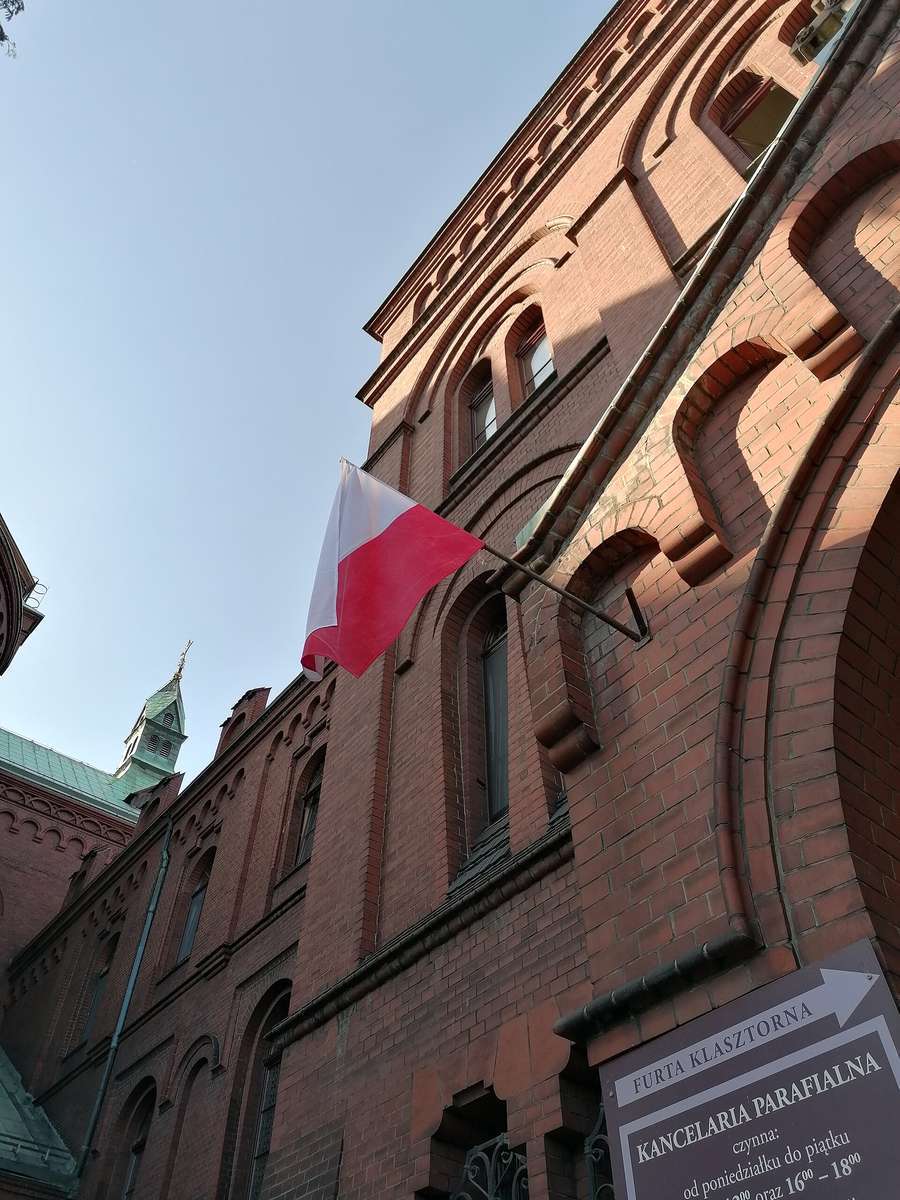
Two calendars run Polish daily life: the public holidays when the country stops, and the handful of Sundays a year when shops are allowed to open. Get either wrong and you find closed supermarkets on the day of your dinner party. Here is the 2026 calendar, from the Zielona Linia information service run under the Ministry of Family, Labour and Social Policy (legal state as of December 2025).
Public holidays in 2026
Poland has 14 statutory public holidays in 2026:
- 1 January (Thursday) - New Year's Day
- 6 January (Tuesday) - Epiphany (Trzech Króli)
- 5 April (Sunday) - Easter Sunday
- 6 April (Monday) - Easter Monday
- 1 May (Friday) - Labour Day
- 3 May (Sunday) - Constitution Day
- 24 May (Sunday) - Pentecost (Zielone Świątki)
- 4 June (Thursday) - Corpus Christi (Boże Ciało)
- 15 August (Saturday) - Assumption, also Polish Armed Forces Day
- 1 November (Sunday) - All Saints' Day
- 11 November (Wednesday) - Independence Day
- 24 December (Thursday) - Christmas Eve (Wigilia)
- 25 December (Friday) - Christmas Day
- 26 December (Saturday) - Second Day of Christmas
Four of them fall on a Sunday, so employees get 10 extra days off in practice. The rule to remember: when a holiday lands on a Saturday (15 August and 26 December in 2026), your employer must give you a different day off in lieu. Holidays falling on a Sunday - Easter and Pentecost always do - earn you nothing extra.
Shopping Sundays: when supermarkets actually open
Under the 2018 act restricting Sunday trading, shops in Poland are closed on Sundays and public holidays by default. The law carves out specific trading Sundays (niedziele handlowe), and in 2026 there are eight:
- 25 January - last Sunday of January
- 29 March - the Sunday before Easter
- 26 April - last Sunday of April, before the May break
- 28 June - last Sunday of June, start of the holidays
- 30 August - last Sunday of August, end of the holidays
- 6 December - first of the three Sundays before Christmas Eve
- 13 December - second pre-Christmas Sunday
- 20 December - last Sunday before Christmas Eve
Mark those - they are the days to do a big shop without planning around closures.
What stays open even on closed Sundays
The ban does not apply everywhere. Per the ministry's summary of the act, the main exemptions are:
- Petrol stations, pharmacies and veterinary clinics
- Shops inside hotels, duty-free zones and on transport (stations and airports fall under the transport exemption)
- Online shops and vending machines
- Flower sellers at cemeteries
- Shops where the owner sells personally - the classic Żabka workaround, where a franchisee behind the till keeps the store legally open
- Bakeries, patisseries and ice-cream parlours whose main business is selling their own baked goods, and places whose main business is serving food
In practice: bread, milk at a petrol station, and anything online are never more than a closed-Sunday inconvenience away.
What holidays mean in daily life
On statutory holidays the trading ban applies with the same exemptions, so supermarkets shut. Offices, schools and public institutions close. All Saints' Day (1 November) turns cemeteries into rivers of candles and brings special municipal transport arrangements; Christmas Eve is a family dinner day - everything closes early or entirely, even though its status as a statutory day off is recent. Independence Day on 11 November means flags, parades and, in Warsaw, large marches with road closures.
Frequently asked questions
### Is Christmas Eve really a day off now?
Yes - 24 December is on the statutory list, and in 2026 it falls on a Thursday. Combined with Christmas Day on Friday and the second day of Christmas on Saturday (with a lieu day for the Saturday), it makes for a long break.
The supermarket near me was open last closed Sunday. Was that legal?
Probably. Owner-operated shops where the owner sells personally are exempt, and bakeries, patisseries and ice-cream parlours whose main business is their own produce can open too. The small-format convenience chains rely on exactly these exemptions.
Do I get a day off if a holiday falls on a Sunday?
No - only a Saturday holiday (or one falling on another non-working day from the five-day week) triggers a substitute day off from your employer. Sunday holidays are simply lost, which is why 2026's 14 holidays yield only 10 extra days off.
Does the trading ban affect restaurants and cafes?
No - businesses whose main activity is serving food are exempt, so restaurants, cafes and bars open as usual on closed Sundays and holidays.