Annual Leave in Poland: 20 or 26 Days and How You Earn Them
Short answer: Polish employees get 20 days of paid leave, or 26 with 10 years of tenure - a degree counts as 8 years, so graduates reach 26 fast. First-job leave accrues monthly, part-time is proportional, 4 days can be taken on demand, unused leave carries to 30 September. Cash in lieu is paid only when employment ends.
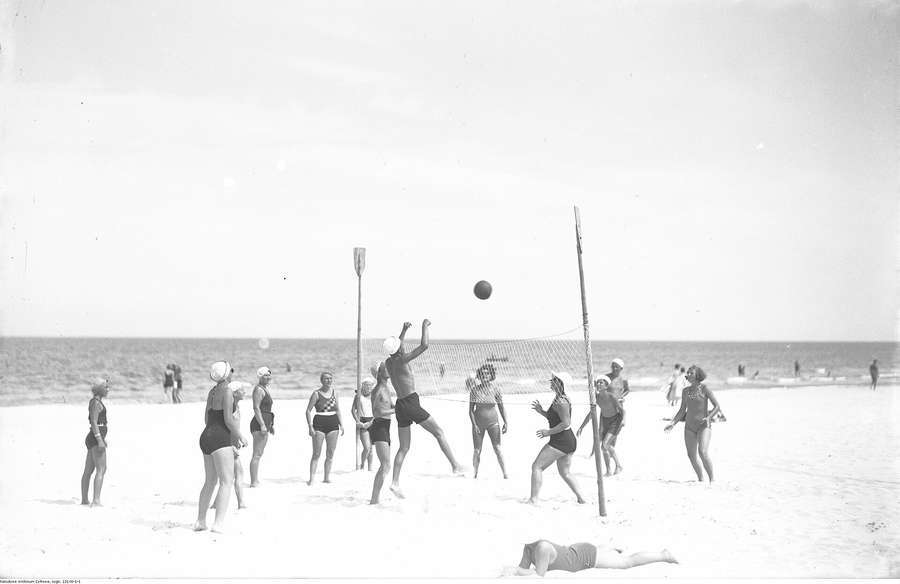
Poland is generous with paid holiday, and the rules surprise many expats twice: first by how much education counts towards your entitlement, then by how hard the law pushes employers to actually give you the days off. Whether you are negotiating a contract or planning next summer, here is how annual leave (urlop wypoczynkowy) works under the Labour Code, per the Ministry of Labour and the National Labour Inspectorate (PIP).
20 or 26 days - and your degree counts
Your annual leave depends on your total employment tenure, counted across all employers (including abroad, if you can document it):
- 20 days - under 10 years of employment
- 26 days - at least 10 years
The catch expats love: completed education counts towards that tenure. A finished university degree adds 8 years, a general secondary school 4 years, vocational schools 3-5, and a post-secondary (policealna) school 6. Periods do not stack - you take the single most favourable one - but a graduate with just two years of work already qualifies for the full 26 days. If you studied while working, you count whichever period is better for you.
Part-time work gets the proportional equivalent: half-time means 10 or 13 days. Leave is granted in hours - one leave day equals 8 hours, so 20 days is 160 hours and 26 days is 208.
Your first job accrues monthly
If this is your first job ever, you do not wait a year: you earn 1/12 of the annual amount for each month worked (about 1.66 days monthly on the 20-day scale). From the following calendar year you get the full entitlement up front. When you change jobs mid-year, each employer grants leave proportionally to the time worked there, with partial months rounded up.

Using it: plans, splits and "urlop na zadanie"
Employers schedule leave in a leave plan that weighs your requests against work needs; without a plan, you agree dates directly. If you split your leave, one part should last at least 14 consecutive calendar days - the law's way of guaranteeing a real rest. Up to 4 days per calendar year can be taken as leave on demand (urlop na żądanie) - short-notice days the employer must grant, capped at 4 across all employers in a year.
The employer can send you on leave unilaterally during your notice period. After maternity, paternity or parental leave, your employer must grant your annual leave immediately if you ask.
Leave is also protected while you are on it. If you fall ill during your holiday, those sick days do not count as leave - the leave is postponed and you take it later. The same applies to isolation for an infectious disease and to being called up for military exercises: the employer must move your leave dates. Public holidays falling inside your leave do not consume leave days either.
You cannot be paid to skip it
Leave is an inalienable right: you cannot waive it, sell it, or transfer it. If you do not use it in the calendar year, it carries over and must be given by 30 September of the following year. Cash in lieu (ekwiwalent) is legal only when the employment contract ends or is terminated - then unused days are paid out. PIP stresses that people working on civil-law contracts (zlecenia) have no statutory leave at all unless the contract grants it - one more reason the contract type matters.
One more right worth knowing: leave must actually be rest. The Labour Code treats it as time free of work duties - your employer cannot require you to answer calls or be available during it, and recalling someone from leave is allowed only in exceptional circumstances, with the employer covering the costs of the interrupted holiday.
Frequently asked questions
### I have 8 years of foreign work experience. Does it count?
Foreign employment periods count towards your tenure if you can document them (employment certificates, contracts). Add your degree's 8 years and many expats qualify for 26 days from their first Polish job.
Can my employer refuse my holiday dates?
They set the schedule considering your requests, so specific dates are not guaranteed - but they must grant the leave itself within the year, carry-overs by 30 September of the next. The 4 on-demand days are the exception: those must be granted.
I quit in June. What happens to my leave?
Both your old and new employer grant proportional leave - 1/12 of your annual amount per month worked, with partial months rounded up. If you used more than your proportion at the old job, the new one deducts the difference. Unused days at the end of employment are paid out as ekwiwalent.
Does a zlecenia contract come with holiday?
No statutory right - civil-law contractors get leave only if their contract says so. Paid annual leave is a Labour Code protection attached to employment contracts.