Foreign Prescriptions in Poland: What Pharmacies Will Fill
The essentials: Yes, in most cases. Polish pharmacies fill EU cross-border paper prescriptions, cross-border e-prescriptions from ten EU countries, and non-EU prescriptions that carry the required data - always at full price. Often simpler: get a Polish e-prescription from any local doctor.
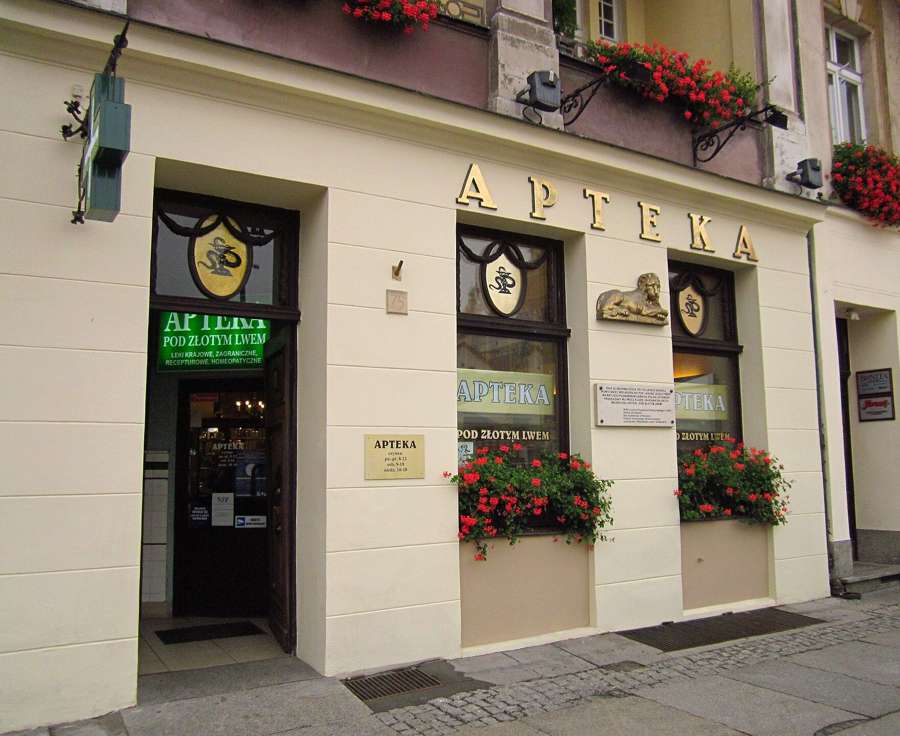
You arrive in Poland with a repeat prescription from home, or a paper one from a doctor you saw abroad, and you need your medication. The good news: Polish pharmacies can fill many foreign prescriptions, and the rules are more accommodating than most people expect. The less good news: there are three different sets of rules depending on where your prescription was issued, and none of them gets you a subsidised price. Here is how each case works, with the current official rules checked on 21 October 2026.

Three kinds of foreign prescription, three different rules
What a Polish pharmacist can do with your prescription depends entirely on where it was issued. A paper prescription from an EU or EFTA country follows the EU cross-border prescription rules. An electronic prescription from a growing list of EU countries can be pulled up directly in the pharmacy's system. And a prescription from outside the EU, from Canada, the US or post-Brexit Britain, follows a separate rule in Polish pharmaceutical law, with its own list of required details. One thing all three have in common: foreign prescriptions are always filled at full price in Poland. The NFZ never subsidises them.
*Data source: NFZ National Contact Point for Cross-Border Healthcare and pacjent.gov.pl, checked 21 October 2026.*
EU paper prescriptions: the cross-border prescription
If a doctor in another EU or EFTA country writes you a prescription specifically so that you can fill it abroad, that document is a recepta transgraniczna, a cross-border prescription. It is issued at your request, so tell the doctor before the appointment ends that you plan to use it in Poland.
To be valid in a Polish pharmacy, the prescription must carry a minimum data set drawn from EU Directive 2012/52/EU:
- your full name, with no initials, and your date of birth
- the prescriber's full name, professional title and direct contact details: an email address, or a phone or fax number with the international prefix
- the address of the place where the prescription was issued and the country
- the medicine's international common name (the INN); a brand name is only acceptable with a stated medical reason, for example for biological medicines
- the pharmaceutical form, strength, quantity and dosing schedule
- the date of issue and the prescriber's handwritten signature
Expect to pay the full price at the till. If you are insured in another EU country, you can usually apply to your home insurer for reimbursement after you return, provided the medicine is covered there. Keep the receipt and the pharmacy's confirmation of purchase. The pharmacist may also ask to see your ID, mainly if there is doubt about your age for age-restricted products or if any detail on the document is illegible.
Some prescriptions cannot be filled cross-border at all: psychotropic and narcotic medicines, compounded preparations made in the pharmacy, products in the restricted-use Rpz category, special dietary foods and medical devices are all excluded. For those, you need a Polish prescription.
*Data source: NFZ National Contact Point for Cross-Border Healthcare, checked 21 October 2026.*
EU e-prescriptions: the electronic network
Poland was one of the first countries to join the EU's cross-border e-prescription exchange, and the system now runs in both directions. As of October 2026, patients insured in Croatia, Cyprus, Czechia, Estonia, Finland, Greece, Latvia, Lithuania, Portugal and Spain can walk into a Polish pharmacy and have their home e-prescription retrieved electronically. For Spain, the service covers all regions except La Rioja. More countries are joining gradually, so if your country is not listed, check the current version of the Ministry of Health's patient portal before you travel.
Filling one is simple. Find a pharmacy, show your passport or national ID card, and confirm that you have read the information about processing your personal data, which the pharmacist will show you. The pharmacist then downloads your prescription and dispenses the medicine. You pay the full price, just as with a paper cross-border prescription.
Two limitations matter. The service works only for adults; children can only get a cross-border prescription in paper form. And the same product exclusions apply as for paper: no psychotropics, narcotics, compounded medicines, restricted-use products, special dietary foods or medical devices.
*Data source: pacjent.gov.pl cross-border e-prescription guide, checked 21 October 2026.*
Non-EU prescriptions: Canada, the US and the UK
This is the case that surprises people most, in both directions. Polish pharmaceutical law does allow pharmacies to fill prescriptions issued outside the EU and EFTA, including Canadian, American and British ones, as long as the document carries the required data: your name and surname, your address, the medicine's international or brand name, its form, strength and quantity, the date of issue, and the prescriber's details as a stamp or imprint, including a phone number or email address, plus a handwritten signature.
The Naczelna Izba Aptekarska, the national pharmaceutical chamber, reminded pharmacies in its official guidance that they are not only allowed but obliged to fill a foreign prescription that meets these requirements. In practice, though, the pharmacist carries the responsibility for what they dispense, and a prescription that is incomplete, illegible or ambiguous can be turned away. If your doctor at home is writing a prescription you plan to use in Poland, ask them to use the international non-proprietary name of the drug rather than a local brand name, to write legibly, and to include a contact email. That one request prevents most problems at the counter.
The same full-price rule applies, and the same practical exclusions: controlled psychotropic and narcotic medicines are effectively out of reach without a Polish prescription. Also note that British prescriptions now follow this non-EU track, since the UK is no longer part of the cross-border EU system.
*Data source: Naczelna Izba Aptekarska guidance on filling foreign prescriptions and the Regulation of the Minister of Health on prescriptions, section 15.*
The easier path: a Polish e-prescription
For anything you take regularly, the practical answer is usually to get a Polish prescription. Any doctor practising in Poland can issue one, whether you see them through the public NFZ system or at a private clinic, and a visit for a repeat of a well-established medication is routine. If you do not have a PESEL number, that is not a blocker: the doctor issues the prescription against your passport or other identity document, which is the standard procedure for foreign patients.
Polish prescriptions are electronic by default. After the visit you receive a four-digit code by SMS or email, or the prescription appears in the mojeIKP app or as a PDF with a QR code. At the pharmacy you dictate the code and give your PESEL, or simply show the QR code, in which case no PESEL is needed at all. The e-recepta has some genuine advantages over the paper documents you may be used to: it is always legible, it cannot be lost because a copy sits in the national system, and if it covers several medicines you can buy each one at a different pharmacy, wherever it is in stock or cheapest.
A standard e-prescription is valid for 30 days from issue, but there are exceptions: some are valid for 7, 120 or 365 days, and a year-long prescription must be explicitly marked by the doctor. If you are managing a chronic condition, ask about a longer validity at the appointment.
*Data source: pacjent.gov.pl e-recepta guide, checked 21 October 2026.*
Finding a pharmacy that stocks your medicine
Two official tools save wasted trips. The Urzędowy Wykaz Produktów Leczniczych, the official register of medicines authorised in Poland, lets you check whether a medicine exists on the Polish market under its international name, whether it needs a prescription and whether it is subsidised. This is worth doing before you assume your home medication is available at all: brand names differ between countries, and some medicines sold freely abroad are prescription-only in Poland, or simply not marketed there.
If a medicine is hard to find, call the free patient helpline 800 190 590. After the automated greeting, press 1, then 0, and a consultant will tell you which nearby pharmacy stocks your medicine and give you the pharmacy's phone number, so you can call ahead before making the trip. The helpline is free and operates in Polish, with the automated menu also handling queries about other patient services.
*Data source: pacjent.gov.pl "Szukam leku" service page, checked 21 October 2026.*
Frequently asked questions
Will a Polish pharmacy fill my Canadian or American prescription?
Usually yes, if the document lists your full name and address, the medicine's name, form, strength and quantity, the issue date, and the prescriber's contact details with a handwritten signature. It is filled at full price. A prescription missing required data can be refused, so ask your doctor to include the drug's international name and a contact email.
Do I pay full price when filling a foreign prescription in Poland?
Yes. Cross-border prescriptions from the EU and prescriptions from outside the EU are always dispensed at full price in Poland. If you are insured in another EU country, you can apply to your home insurer for reimbursement afterwards, if the medicine is covered there.
Which countries' e-prescriptions work in Polish pharmacies?
As of October 2026: Croatia, Cyprus, Czechia, Estonia, Finland, Greece, Latvia, Lithuania, Portugal and Spain, with the La Rioja region of Spain excluded. The list is growing, and adults only can use the service; children need a paper cross-border prescription.
How do I get a Polish prescription if I do not have a PESEL number?
See any doctor in Poland, publicly or privately, and they will issue an e-prescription against your passport or other identity document. You receive a four-digit code by SMS or email, or a QR code, and the QR code alone is enough at the pharmacy without any PESEL. * Photos: Apteka Pod Złotym Lwem pharmacy in Poznań by Henryk Borawski, CC BY-SA 3.0; Apteka Ratuszowa sign in Gdańsk by Andrzej Otrębski, CC BY-SA 4.0, both via Wikimedia Commons.*