How to Find English-Speaking Therapists and Counsellors in Warsaw
The essentials: Two routes. The public one is free and needs no referral: Warsaw's district mental health centres (CZP) accept walk-ins around the clock, though care is primarily in Polish. For guaranteed English, the private market is the reliable path - and knowing which profession you need makes the search much faster.
Finding a therapist is hard enough in your own language. In a new country it can feel like a puzzle with missing pieces: who does what, what is free, where do you even start. Warsaw's answer has improved dramatically in the last few years, because Poland has been rebuilding its mental health system around free, walk-in centres - but the system runs primarily in Polish, and knowing that shapes which door you knock on first. This guide lays out both routes: the free public one and the English-language private one, with the current official rules checked on 21 October 2026.
First, who does what
Three professions get mixed up constantly, and the difference decides whether you need a referral and what you pay.
A psychiatrist is a medical doctor. They diagnose, prescribe medication and treat conditions like depression, anxiety disorders and addiction. In the public system you do not need a referral to see one.
A psychologist holds a psychology degree. They can assess and support you, run consultations and provide psychological help, but they are not doctors and cannot prescribe. No referral is needed here either.
A psychotherapist is someone trained in a specific therapeutic approach, such as cognitive-behavioural therapy, and offers structured, regular therapy. In the public system this is the one door that needs a referral, which any doctor with an NFZ contract can issue, including a family doctor.
In the private market, none of this referral machinery applies: you simply book whoever fits your needs and budget.
*Data source: NFZ Academy and pacjent.gov.pl specialist care guidance, checked 21 October 2026.*
The free public route: mental health centres
Poland has been piloting a network of Centra Zdrowia Psychicznego, mental health centres, and the pilot becomes a permanent, guaranteed part of the public system from January 2027. The model is built to remove every barrier: any adult over 18 can get help that is immediate, free, available around the clock, and requires no referral, no registration and no appointment.
Your entry point is the punkt zgłoszeniowo-koordynacyjny, the admission and coordination point, usually called the PZK. You walk in or call, a specialist listens, you get support on the spot if you are not coping, and the team works out with you which form of help fits: outpatient consultations and sessions, a day ward, an inpatient stay, or a community treatment team that can visit you at home.
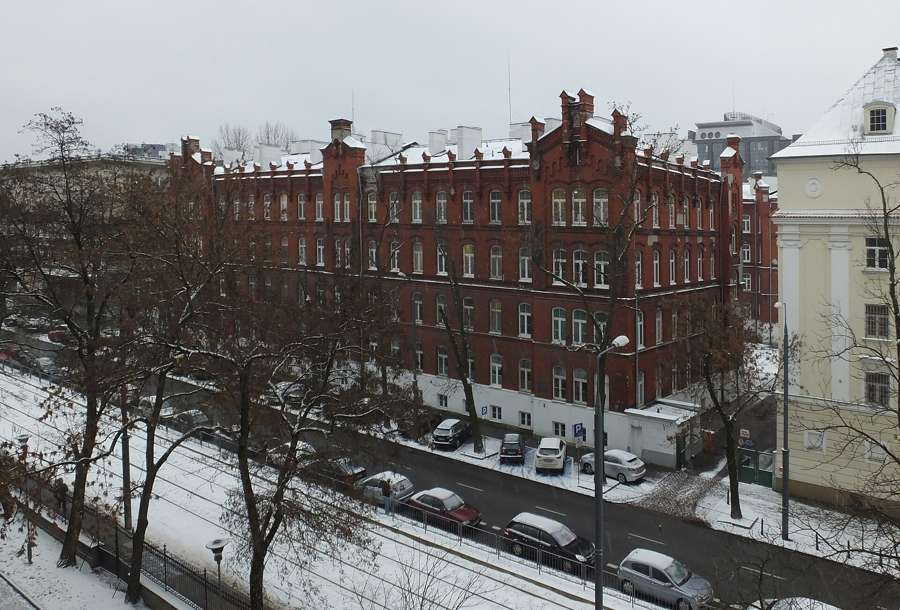
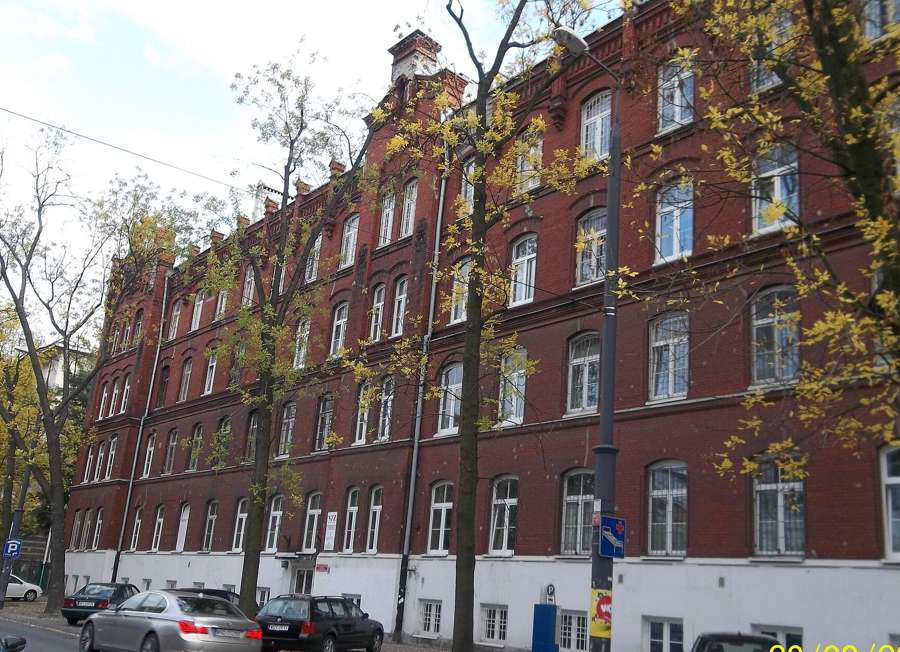
Warsaw has a district-level network of these centres. The current national list shows, among others, centres for Ochota, Bielany, Wola, Mokotów, Ursynów-Wilanów and Bródno, plus the Nowowiejskie centre at Nowowiejska 27. As concrete examples: the Ochota centre's PZK sits at Skarżyńskiego 1, phone 513 011 928, and the Nowowiejskie centre is reachable at 22 116 53 26. The full, current list with addresses and phone numbers is maintained by the national CZP operators' association at osczp.org.pl.
A first visit to a PZK is deliberately low-threshold. Bring an identity document and, if you have it, proof of health insurance - the care itself is free and does not depend on having your paperwork perfectly in order. You describe what is going on in your own words; no diagnosis, vocabulary or preparation is expected. The specialist's job at that point is to listen, stabilise and match you to the right form of help, which might be a series of outpatient sessions, a day programme, or something more intensive. Family members worried about a relative can also use the centres to get advice on how to help and where to turn.
One honest limitation: this care is delivered primarily in Polish. Some centres have English-speaking staff, but it is not guaranteed anywhere in the public system, so if your Polish is limited, ask about language options in that first call to the PZK - and if it is a crisis, go anyway, because in a crisis the care comes first and language gets figured out.
*Data source: pacjent.gov.pl CZP guidance and the OSCZP national centre list, checked 21 October 2026.*
The referral rules, plainly
For public, NFZ-funded care beyond the centres: you can book a psychiatrist or a psychologist directly, with no referral. For psychotherapy and for psychiatric hospital treatment, you need a referral first - except in emergencies threatening life or health, when no paperwork stands in the way. The referral can come from any doctor who works under an NFZ contract, so a routine visit to your family doctor covers it.
For addiction treatment the rules are deliberately loose: neither you nor a family member of someone struggling with addiction needs a referral for addiction counselling.
*Data source: pacjent.gov.pl, "Specialist help for mental health problems", checked 21 October 2026.*
The English-language route: how to actually search
For therapy in English, the private market is the reliable path, and Warsaw has a large one - the city's international community is big enough that many psychologists and psychotherapists practise partly or entirely in English, and some in other languages too.
A search approach that works better than typing "therapist Warsaw" into a map app:
- Start from the profession, not the platform. Decide whether you want a psychotherapist (structured, longer-term work), a psychologist (support, assessment, shorter-term help) or a psychiatrist (medication, diagnosis). This determines where you look and what a session costs.
- Use professional directories. Poland's professional psychology and psychotherapy associations and the larger booking platforms let you filter by city, specialisation and language. Filtering by "English" plus your district narrows the field quickly.
- Ask the two questions that matter before booking: whether the therapist works in English at full fluency, not conversationally, and what training or certification in psychotherapy they hold. In Poland, psychotherapy certification comes from accredited training programmes endorsed by the professional chambers, and a serious practitioner will answer this without hesitation.
- Consider online sessions. Many Warsaw-based English-speaking therapists work partly or fully online, which removes the commute and widens your choice to the whole country.
Public insurance generally does not reimburse private therapy, so budget for it as an out-of-pocket cost; prices are set by each practice and are usually published on their websites. If you work for one of Warsaw's international employers, it is also worth checking your benefits package before paying out of pocket: employer medical subscriptions often include mental health consultations, and HR can tell you exactly what yours covers and in which languages.
One more practical note for the public route: NFZ-funded psychiatric and psychological care requires that you are insured in Poland or covered by a European document such as the EHIC or S1 - the same entitlement rules as for any other specialist. The walk-in mental health centres are the flexible exception designed to help first and ask formalities later, especially in crises.
*Data source: NFZ Academy guidance on types of mental health care, checked 21 October 2026.*
If it is urgent
A mental health crisis is treated like any other medical emergency in Poland. In a situation threatening life or health, the 112 and 999 numbers and hospital admission rooms are the route, with no referral, documents or insurance questions first. For support that is urgent but not an emergency, the free 116 123 crisis line for adults works daily from 14:00 to 22:00, and the 116 111 line for children and young people operates around the clock, every day of the week. And remember the mental health centres: the walk-in model exists precisely for the moment when things feel like too much - you do not need to be registered, referred or even sure of what is wrong to talk to someone there.
*Data source: pacjent.gov.pl mental health and crisis line guidance, checked 21 October 2026.*
Frequently asked questions
Do I need a referral to see a psychiatrist or psychologist in Poland?
No. In the public NFZ system you can book a psychiatrist or a psychologist directly. A referral is required only for psychotherapy and psychiatric hospital treatment, except in emergencies, and any NFZ-contracted doctor can issue it.
Where can I get free mental health support in Warsaw without registering?
At a Centrum Zdrowia Psychicznego. Warsaw has district centres including Ochota, Bielany, Wola, Mokotów, Ursynów-Wilanów and Bródno, plus the Nowowiejskie centre. They accept adults 18 and over with no referral or appointment, free of charge, around the clock.
Is public mental health care in Warsaw available in English?
There is no official language guarantee in the public system, and care is delivered primarily in Polish. Some centres and clinics have English-speaking staff, so ask when you first call. For guaranteed English-language therapy, the private market or online sessions are the reliable route.
What is the difference between a psychologist and a psychotherapist in Poland?
A psychologist holds a psychology degree and offers assessment, support and consultations. A psychotherapist is additionally certified in a specific therapeutic method and provides structured, regular therapy. In the public system, psychotherapy is the one that requires a referral. * Photos: Nowowiejska 27 in Warsaw by Panek, CC BY-SA 4.0; Nowowiejski hospital building by Daniela Horovitz, CC BY-SA 3.0 PL, both via Wikimedia Commons.*