Free legal aid in Poland for foreigners: how to book in 2026
Short answer: Free legal aid in Poland is open to everyone who cannot afford a lawyer, including foreigners. Book by phone, email or zapisy-np.ms.gov.pl; remote advice is available all year since 2026.
Poland runs a state-funded system of free legal help, open to people who cannot afford to pay for a lawyer. The Ministry of Justice says it covers about 1,500 points, in every county (powiat) of the country, and that it is open to everyone staying in Poland, foreigners included. You do not have to be a citizen, and a foreigner does not have to apply for temporary or international protection first. This guide is based on the official gov.pl pages of the free legal aid programme and a Ministry of Justice notice of 30 December 2025 about the changes in force from 1 January 2026.
What you get
The system has three parts: free legal advice, free civic counselling and mediation. At a legal aid point a professional lawyer explains your rights and obligations and shows how to solve the problem. The adviser is a lawyer such as an advocate, a legal adviser (radca prawny), or a trainee in one of those professions. The lawyer can also help you prepare documents, for example a lawsuit, a request to be exempted from court costs, or a request for a court-appointed lawyer.
Points are run either by lawyers chosen by the bar associations or by non-governmental organisations that won a competition. Some points have specialist duties on subjects such as help for families raising a child with a disability, help for victims of violence against women and children, personal data protection, and mediation.
Who qualifies
The programme page says free legal help is for everyone who cannot afford a lawyer's fee. It also covers self-employed people who run a one-person business. You do not prove your income with documents. When you come to a point in person, you sign a written statement that you cannot pay for paid legal help. For remote advice, an oral statement is enough. The ministry says the data about your case is collected anonymously and is not linked to the statement.
A business owner signs a written statement, a statement that they have not employed other people during the last year, and the documents or statements about de minimis aid received in the current year and the two previous tax years.
Foreigners: the specialist points
The ministry's page for foreigners says the free help system is open to all people in Poland, including foreign nationals. It says there are points with specialists who know migration law, including refugee law. The page also contains a list of providers who work in foreign languages, English, Ukrainian or Russian in the examples we saw, and the ministry recommends that foreigners, including war refugees from Ukraine, book first with the points and providers on that list. On the list we reviewed, some providers also offer German and French, and the language is shown for each day and time. The list is organised by voivodeship and county, with the point's address and phone number.
How to book
You can book in three ways, according to the programme page:
- By phone, using the special number of the county for bookings
- By email, writing to the address given by the county, or with the form at zapisy-np.ms.gov.pl
- In person, at the county office (starostwo powiatowe) or at the point you choose
You do not have to book in the county where you live. The ministry says you can book at the most convenient point anywhere in Poland.
What changed on 1 January 2026
According to the Ministry of Justice notice of 30 December 2025, the changes that came into force on 1 January 2026 make remote help permanent. Advice by phone, email or video is available all year, not only in states of emergency. When booking you can choose between in-person and remote help. If a remote adviser needs to analyse your documents, you are booked for a duty at a point in person, or directed to the county office in your place of residence. The notice also describes help outside the point for people with serious mobility problems or communication difficulties.
What to bring
For an in-person visit, bring an ID document and the papers about your problem, such as letters, contracts or court documents. The programme page says that you sign the statement about your finances at the point. Ask when booking whether the point can help in the language you need.
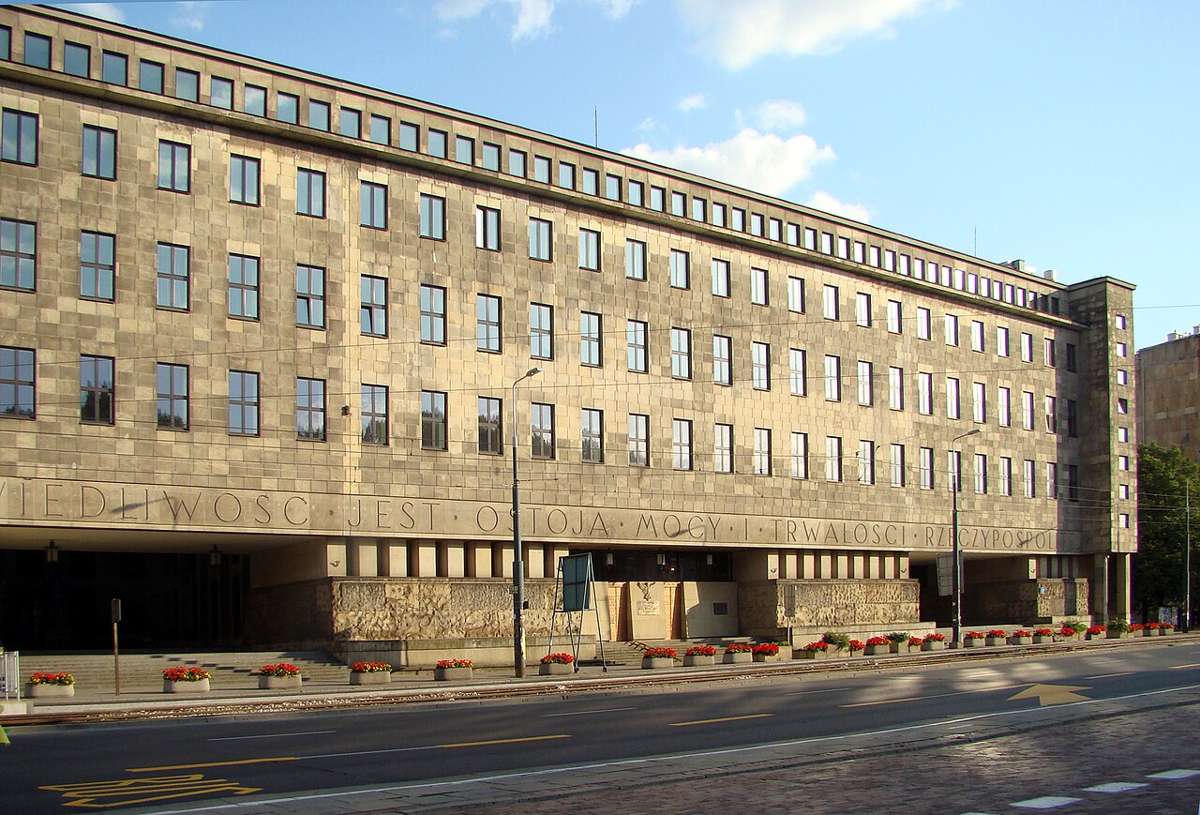
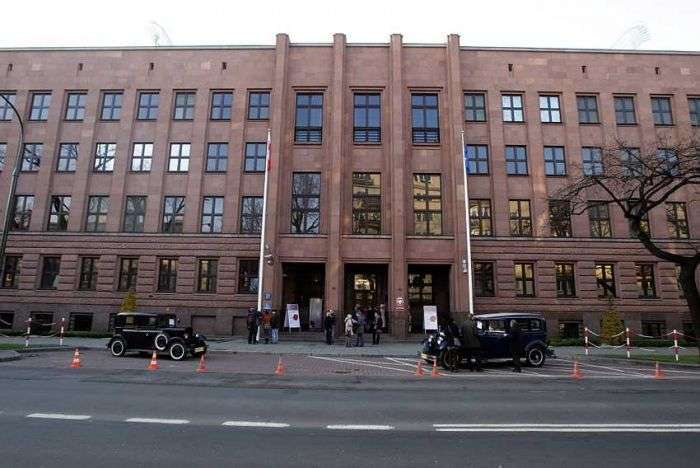
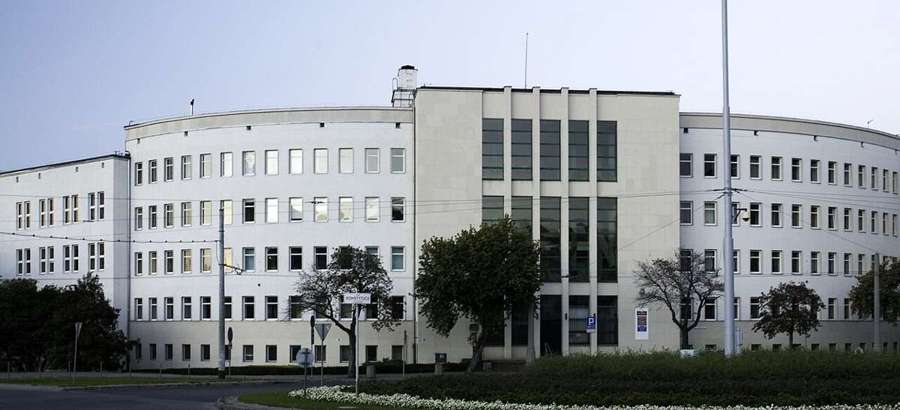
* Photos: District Court in Gdynia (CC0, Wikimedia Commons); historic district court building in Warsaw (public domain, Wikimedia Commons). Photos are illustrative.
Frequently asked questions
Is free legal help in Poland open to foreigners?
Yes. The Ministry of Justice says the system is open to everyone in Poland, including foreigners, and applying for protection first is not required.
Do I need to prove my income?
No documents are required. You sign a written statement that you cannot pay for paid legal help, or give an oral statement for remote advice.
Can I get help by phone?
Yes. Since 1 January 2026, remote advice by phone, email or video is available all year.