Gniezno Origins Museum: Tickets, Free Sunday and English Guide
The essentials: The museum at Kostrzewskiego 1 lists daily 09:00–16:00 opening in October–April, standard PLN 20, reduced PLN 16 and a defined 2+2 family ticket at PLN 60. Sunday admission is free. An English mobile guide is available; confirm dated exceptions and access needs.
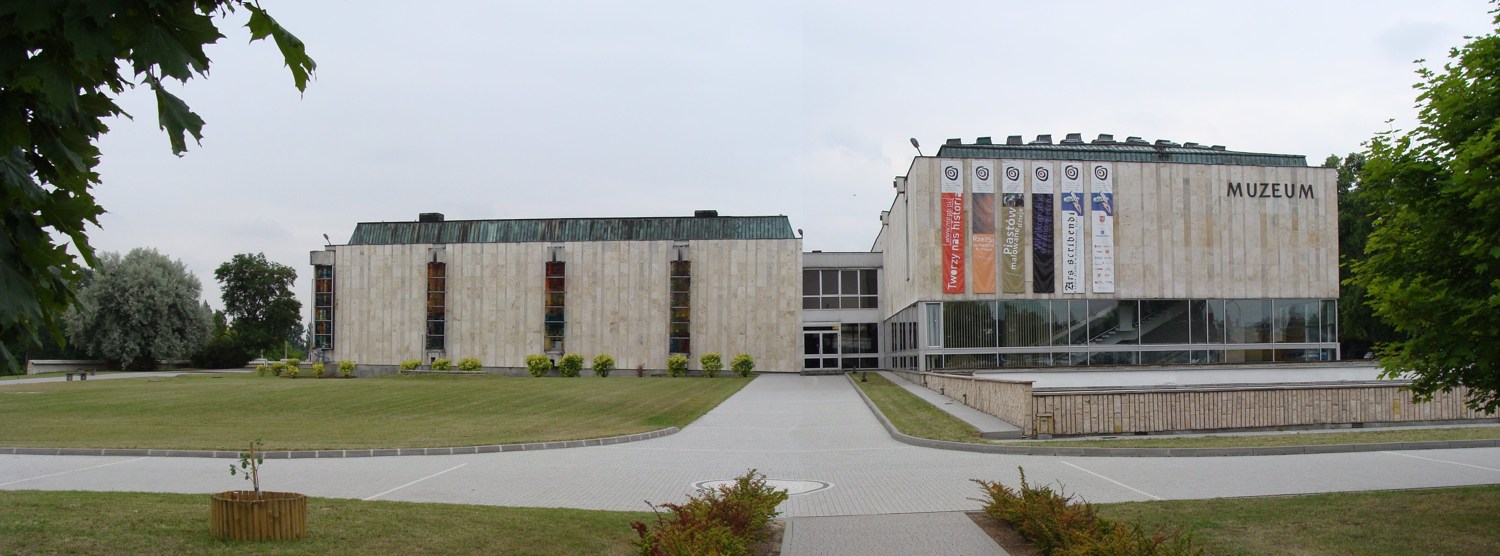
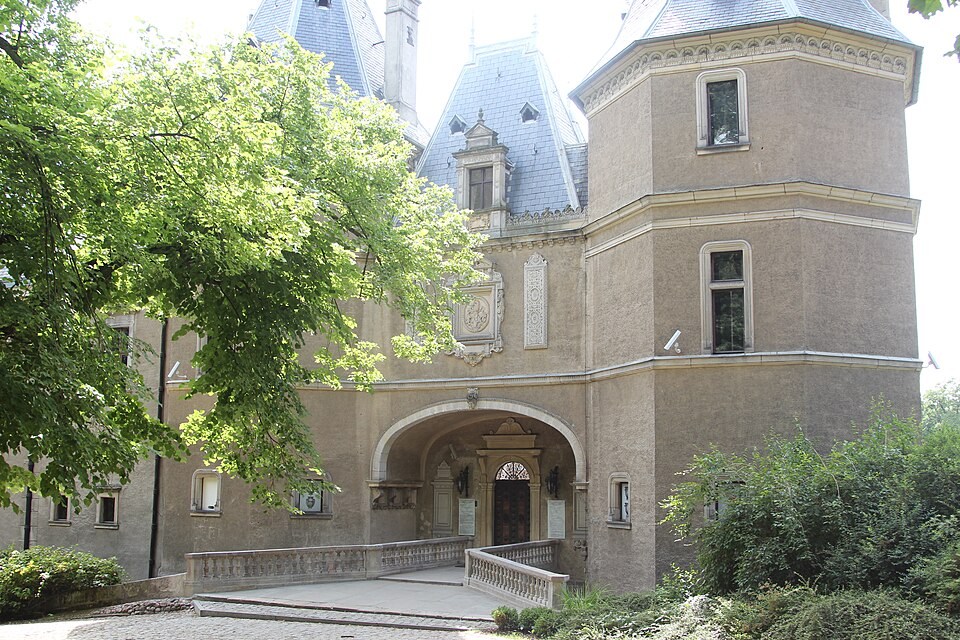
Cover: museum exterior photographed in2008, an archival view rather than a current entrance or accessibility survey. Photo: Aung / Wikimedia Commons, released by the author into the public domain. Resized and recompressed.
The Museum of the Origins of the Polish State in Gniezno is a focused alternative to a quick photograph outside the cathedral. Its exhibitions concern early Polish statehood, the early Middle Ages and Gniezno's history. For an English-speaking resident planning a first visit, the practical strengths are a published English mobile guide, a manageable suggested visit length and a clear weekly free-admission day. The important checks are the seasonal hours, the exact ticket category and the difference between a normal museum visit and a booked guided activity.
Start with the museum's own timetable
The museum's current opening-hours page lists daily opening from 09:00 to 16:00 from October through April. From May through September it lists daily opening from 09:00 to 18:00. These are seasonal schedules, so a summer travel article is not a reliable guide to a November afternoon. The museum shop also acts as the ticket office, and the museum says sales finish a quarter of an hour before the exhibitions close.
For a normal winter day, that means the published shop-sales cutoff is 15:45. It does not mean that arriving at 15:44 is a sensible way to see the museum. The institution estimates about an hour and a half for the whole visit. Plan backwards from closing, with extra room if you want to read slowly, use the mobile guide or take a break. An earlier arrival gives you a choice of pace rather than turning the last rooms into a race.
There is a source mismatch worth knowing about. The accessibility declaration contains a Tuesday-to-Sunday, 09:00–18:00 description and mentions last entry to the main exhibition 30 minutes before closing. That conflicts with the dedicated current seasonal timetable, which lists every day and shorter winter hours. Use the dedicated opening-hours page for the normal schedule and ask the museum about a specific holiday, Monday visit or late arrival. Do not treat the declaration's longer hours as permission to stay until 18:00 in winter.
Tickets: compare the exact party, not a label
The current official price table lists a standard ticket at PLN 20 and a reduced ticket at PLN 16. The family ticket costs PLN 60 and is defined as two adults and two children under 18. Each additional child uses a reduced ticket; each additional adult uses a standard ticket. A family ticket is therefore a defined product, not a general discount for any group that describes itself as a family.
For the stated two-adult, two-child combination, compare the family product with the individual tickets appropriate to the children's actual ages and entitlements. A child who qualifies for free entry changes the calculation. Have the ages and any supporting documents ready at the desk rather than choosing only by the name of the ticket. The museum's list gives free entry to children under seven and reduced entry to children from seven, including school pupils.
The official concessions also include students and doctoral students, teachers, people with disabilities and various other eligible groups. Several categories explicitly include citizens of other countries. That is useful for expat families, but it is not the same as saying that every foreign visitor receives a reduced ticket. Ask what evidence the desk accepts for your category, particularly if the document was issued abroad. This guide does not replace the museum's decision about an individual entitlement.
Sunday is the free-admission day
Both the official price page and the opening-hours page state that Sunday is the museum's free visiting day. This is a standing weekly arrangement, separate from national campaigns at other institutions. For a flexible visitor, it is a straightforward way to reduce the admission cost while keeping the same seasonal opening window. Check the museum's current notices before travelling on a holiday or during a special event.
Free admission is not a promise of a private guide, an empty exhibition or a place in a workshop. The museum publishes guided services as separate items and accepts reservations during weekday office hours. If you are organising a group, contact the museum about the service you want rather than assuming a free Sunday makes a booked activity free too. A self-guided visit and a reserved educational session have different arrangements.
The price page also lists card-based reductions and says ticket discounts do not combine. Do not add two reductions together in your own calculation. Show the relevant card at the desk and ask which product applies. If your plan depends on a particular reduced price, settle it before inviting a larger party or promising everyone the same cost. The published standard and family prices are a useful baseline, not a guarantee of every possible combination.
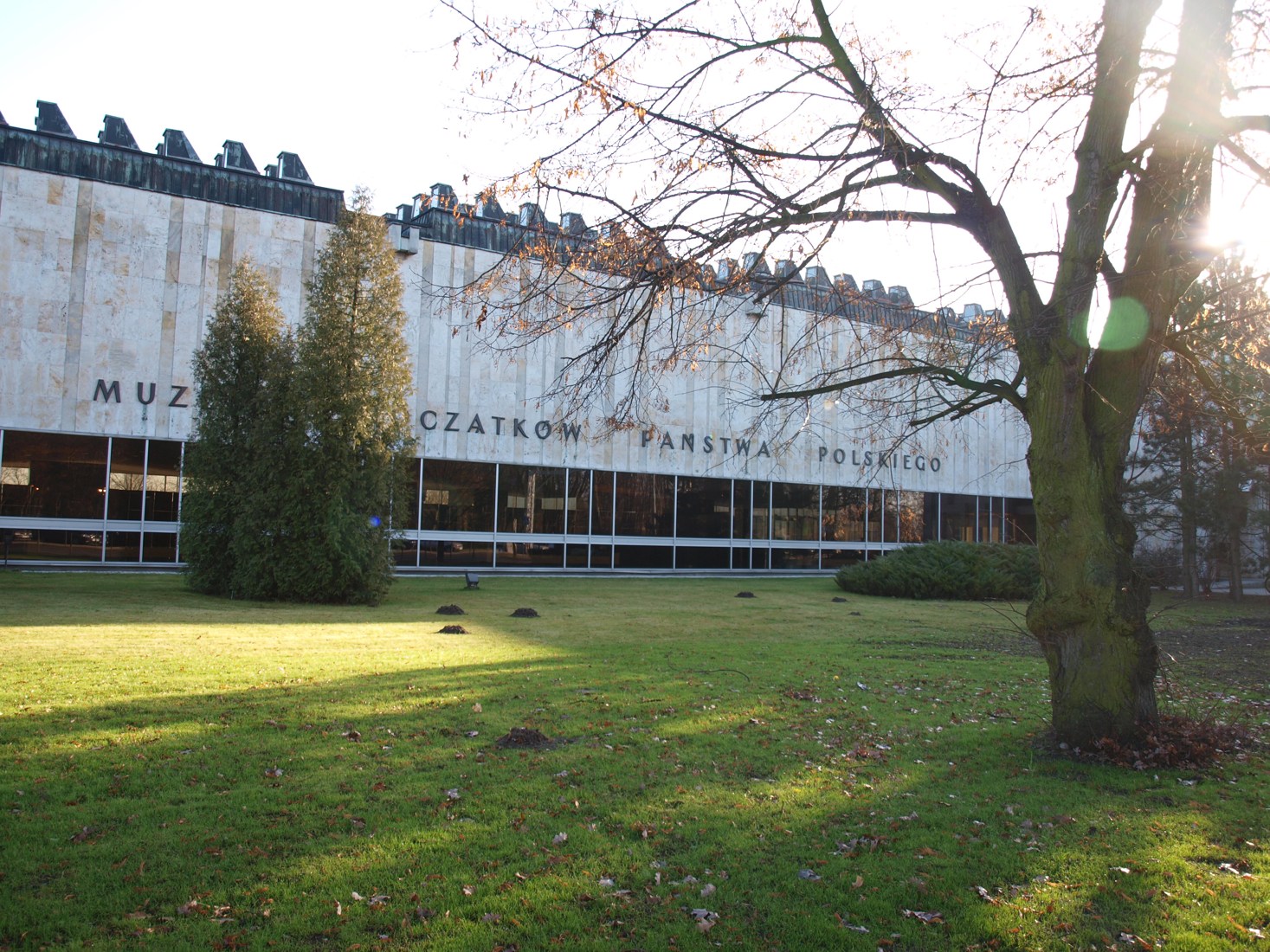
Use the English mobile guide
The museum's mobile-guide page says visitors can use their own smartphone to access exhibit descriptions, extended texts, additional information, a catalogue, films and an audio guide. It explicitly says the mobile guide is also available in English. This is firmer evidence than assuming that an English-looking website address guarantees that every page, label or staff-led activity will be in English.
The museum directs visitors to mppp.pl and recommends bringing headphones for the audio material. Open the guide before the visit, check that your phone loads it and select the language you need. Bring enough battery for the journey as well as the museum. The published description does not establish that every feature works offline, that a loan device is included or that every temporary exhibition has identical English coverage.
If English support is the deciding factor for your group, ask about the particular exhibition or guided service. A mobile guide and an English-speaking human guide are different products. The price page lists a guide service for groups up to ten at PLN 150, but that figure alone does not confirm language availability or what is included in your requested session. Agree the service, language, date and final terms with the museum before treating it as booked.
Choose current exhibitions rather than an old poster
The museum's visiting page describes a main exhibition and five permanent exhibitions, with a whole-museum visit estimated at roughly 90 minutes. Its exhibition listing gives dated temporary shows as well. At the time of checking on 28 November 2026, it lists “Piast Superwomen” from 18 October 2026 to 17 October 2027 and “Truso. Legenda Bałtyku” from 12 April 2026 to 7 March 2027.
The same listing contains an earlier show, “Re: Średniowiecze. 1000 lat 1000 wersji”, with an end date of 4 October 2026. That is an example of a page that can remain discoverable after the exhibition has ended. Search results, old photos and archived posters should not be treated as proof that a room is still presenting the same material. Check the dates next to the exhibition title, not just the title itself.
For a first visit, begin with the main account of early statehood and then choose the additional displays that interest you most. That is a planning suggestion, not a mandatory route. A visitor interested in archaeology may want a different pace from someone primarily interested in the town's history. The museum's own 90-minute estimate is a starting point, not a time limit or a promise that every visitor will finish in that time.
Address, parking and the last part of the journey
The museum gives its address as ul. Kostrzewskiego 1 in Gniezno. Its directions page places it on the Piast Route and describes access from the S5 via the Gniezno-Południe junction. It says there is free car parking opposite the museum on Kostrzewskiego, while free coach parking is on Piotrowskiego, about 500 metres away. Those are different parking locations, so a coach organiser should not simply follow instructions intended for a private car.
The accessibility declaration describes designated accessible spaces in the municipal car park opposite. It also mentions nearby public-transport stops, but this guide does not verify a particular bus departure or promise a journey time from the railway station. Check the current local journey information for the actual day and direction. Leave time for the final walk, road crossing and finding the museum entrance, especially in poor weather or with a pushchair.
Do not confuse this institution with the Archdiocesan Museum or a cathedral visit. They are separate destinations with separate opening and ticket arrangements. A broader Gniezno day can include more than one place, but a museum admission here does not establish entry elsewhere. If you are meeting friends, send the full museum name and Kostrzewskiego address instead of the word “museum” alone.
Step-free access and sensory information
The museum's accessibility declaration says the main entrance is on Kostrzewskiego, has automatic doors and no steps or thresholds higher than two centimetres. It says wheelchair users can reach the exhibitions, with a slightly different route because a lift is used, and that staff help visitors find the route. An adapted toilet is listed. These are the institution's published facilities, not a same-day check of the lift or entrance.
For a visit that depends on the lift, contact the museum shortly before travelling and explain the requirement. The declaration asks larger groups of wheelchair users to give advance notice. It also says communication in writing is possible at the ticket desk, assistance dogs are welcome, exhibition and film captions are provided, and Braille descriptions are available in the rooms. It notes that films do not have audio description. Ask about the specific material you want rather than assuming every access feature covers every display.
A sensible first-visit plan
Choose a day using the current seasonal timetable, then decide whether Sunday free admission or a quieter personal schedule matters more to you. Allow around 90 minutes plus your own reading and travel margin. Open the English mobile guide and bring headphones. At the desk, confirm the right tickets, today's accessible route and the current temporary exhibitions.
For a group or a language-specific guided visit, use the museum's published reservation contact, +48 61 426 46 41 extension 210 or [email protected]. The website says reservations are handled Monday to Friday, 08:00–16:00. That is the reservation office window, not the exhibition opening schedule. A message sent outside those hours is not a confirmed booking. Keep the museum's reply and check the final terms before making the rest of the day depend on it.
Frequently asked questions
Is Sunday admission free?
The official price and opening pages both say Sunday is the free visiting day. Guided services and special activities have separate terms.
Can I visit in English?
The museum explicitly offers an English mobile guide on your smartphone. Ask separately about English-speaking guided services and temporary-exhibition coverage.
Which opening hours should I use?
Use the dedicated seasonal timetable, currently daily 09:00–16:00 in October–April. The accessibility declaration contains conflicting longer hours; confirm holidays and late arrival directly.