Inheritance in Poland: Wills, Heirs and the Six-Month Deadline
Short answer: Polish law allows no joint wills, and an heir must accept or waive an inheritance within six months of learning of it, or is treated as accepting with limited liability.

Inheritance in Poland follows rules that surprise many newcomers: joint wills are banned, a six-month clock starts when you learn of an inheritance, and accepting it without conditions can make you liable for the deceased's debts. This guide is based on the Polish succession factsheet of the European e-Justice Portal, prepared with the Council of the Notariats of the EU. The page carries no date, so check for later changes before acting. It describes Polish national law and does not cover tax, or which country's law applies to a cross-border estate.
Wills: the forms Polish law accepts
Under Polish law, property can be left after death only by a will. Joint wills are prohibited. The accepted forms are:
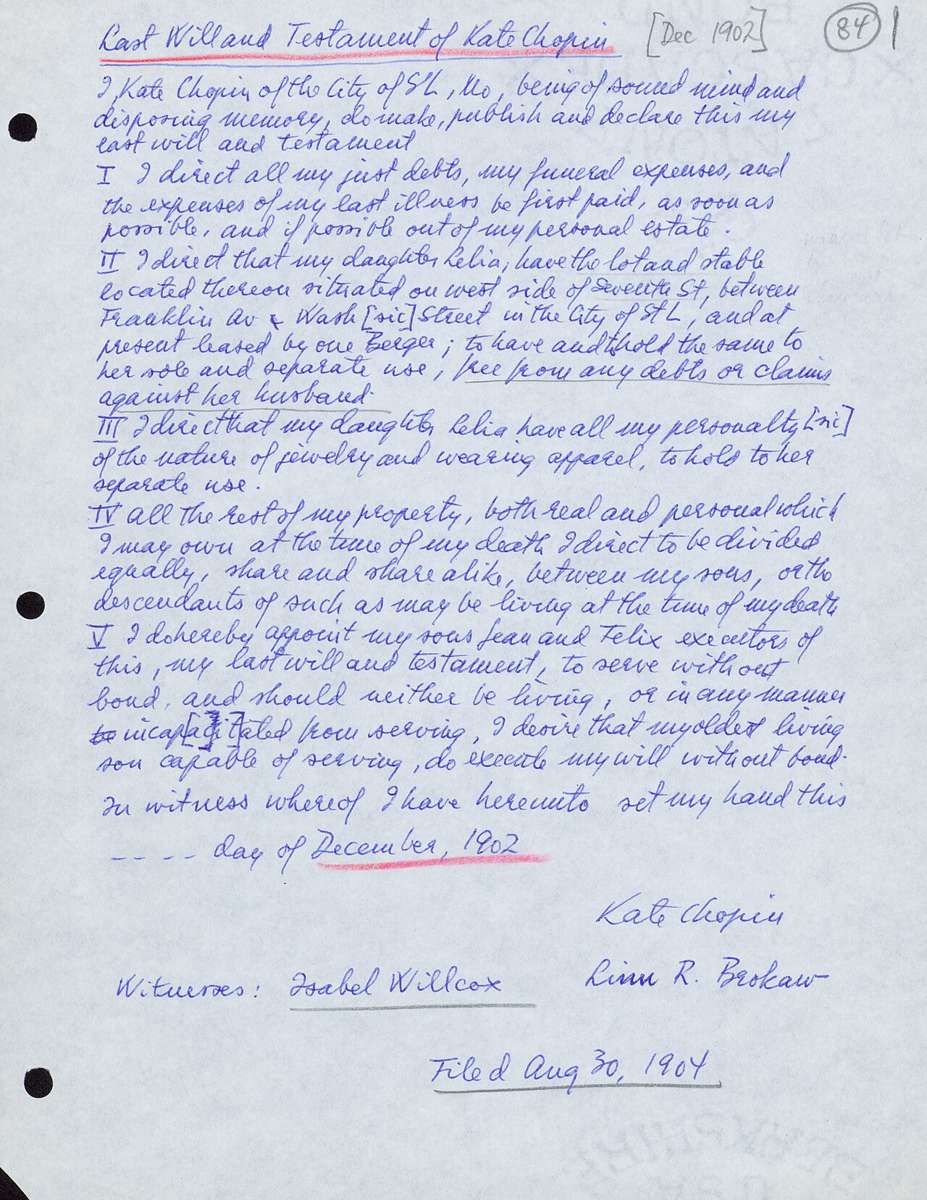
- Holographic will: entirely handwritten, signed and dated by the testator.
- Notarial will: drawn up by a notary as a notarial deed.
- Allographic will: made before an official such as a mayor or the head of a registry office, in front of two witnesses.
- Oral will: only when death is imminent or exceptional circumstances make another form impossible or very difficult, with three witnesses.
- Traveller's will: made on a Polish ship or aircraft.
- Military will: in exceptional circumstances, for a defined list of persons.
The only agreements on succession that Polish law accepts are inheritance waiver agreements, which must be a notarial deed.
A will does not need to be registered to be valid. Notarial wills and handwritten wills deposited with a notary may be registered with the National Council of Notaries.
Reserved share
The portal says Polish law places no restriction on whom the testator names as heir. A reserved share does not limit that freedom. It protects the interests of parents, descendants and the spouse, who are entitled to payment of a specified sum of money.
No will: who inherits
By law the testator's children and spouse come first. The spouse's share cannot be less than a quarter of the estate. If there are no descendants, the spouse and parents inherit. Next come siblings and their descendants, then grandparents. If there are no relatives entitled, the estate goes to the municipality of the testator's last place of residence, or to the State Treasury if the last residence cannot be ascertained or was abroad.
Where to go
Applicants can go to a notary, or to the court for the testator's last place of habitual residence. If that cannot be ascertained, the court where the estate or part of it is located. If none applies, the probate court is the District Court for the Capital City of Warsaw.
To prove you are an heir you can apply to the court for a certificate of inheritance, or to a notary for a registered certificate of succession. With several heirs, the estate can be divided by a court or by a notary through a notarial deed.
The six-month deadline
This is the part to remember. According to the portal, an heir has three options:
- Accept with unlimited liability for debts (simple acceptance).
- Accept with limited liability (acceptance subject to inventory), where the heir is liable for debts only up to the value of the estate's assets in the inventory.
- Waive the inheritance, and carry no liability for its debts.
A declaration of waiver or outright acceptance must be made within six months from the date the person learned of the inheritance. If no declaration is made in that time, the heir is treated as having accepted subject to inventory. Co-heirs share liability for the debts until the estate is divided, then in proportion to their shares.
Declarations are lodged with the court for the declarant's place of residence, or before a notary. People living abroad can lodge a waiver in the form required by the law of the place where they do it.
Property and land register
To enter inherited property in the land and mortgage register, the heir generally needs a court decision confirming inheritance or a registered notarial certificate of succession.
Estate administrators and executors
A court can appoint an administrator of the estate, on its own motion or on request, when there is a risk that the estate will not be distributed as intended, and in the case of an unclaimed inheritance. A testator can name an executor in the will. If there is none, or the executor refuses, the heirs administer the estate.
What to bring
A statutory heir presents civil status documents showing the relationship, for example birth and marriage certificates. An heir or legatee under a will presents the will.
What the factsheet does not say
It does not discuss foreigners, cross-border estates, costs or timelines, and has no date. If the deceased or heirs live in different countries, or the estate includes property abroad, take advice from a notary or lawyer before the six months run out.
Frequently asked questions
Can spouses make a joint will in Poland?
No. The e-Justice factsheet says joint wills are prohibited under Polish law.
What is the deadline to accept or reject an inheritance?
Six months from learning of the inheritance. If you do nothing, you are treated as having accepted with limited liability, subject to inventory.
Am I liable for the deceased's debts?
It depends on how you accept. With simple acceptance you are liable without limit. With acceptance subject to inventory, only up to the value of the estate. If you waive, you are not liable.
Who inherits without a will?
Children and spouse first, with the spouse getting at least a quarter. If there are none, the order continues through parents, siblings and grandparents, then the municipality or State Treasury.