Mediation in Poland: Costs, Court Fee Refund, How It Works
Short answer: Mediation in Poland is voluntary and can be agreed by the parties or ordered by a court, says the e-Justice Portal. A settlement can bring a refund of court fees.
Not every dispute in Poland has to end up in front of a judge. Mediation is a voluntary way to settle a disagreement with the help of a neutral person, and Polish law allows it for civil, commercial, employment and family matters. This guide follows the Polish country page on mediation and the Polish page on bringing a case to court, both from the European e-Justice Portal. The mediation page was last dated 16 September 2024, so check current rates before you rely on any figure below.
What mediation is
According to the e-Justice Portal, mediation is a form of alternative dispute resolution in which a mediator helps the parties reach an agreement. The mediator does not decide who is right. The parties themselves agree on the outcome.
The portal says mediation can be used in these areas of Polish law: civil, commercial, employment, family, minors, criminal and judicial-administrative matters. It adds that mediation is most widely used in criminal and civil matters.
Two ways to start
Mediation in Poland is based on one of two things:
- A mediation agreement between the parties, which is out-of-court mediation.
- A court decision referring the parties to mediation.
In both cases it is voluntary. The family mediation page of the portal states that mediation always needs the consent of the parties, and that each party may apply for it at any stage of court proceedings.
If the parties do not choose a mediator, the court may appoint one from a list of people with suitable qualifications. In criminal cases and cases involving minors, the court appoints the mediator.
How long it takes
The portal's family mediation page says that mediation ordered by a court should not last longer than 3 months. It can be extended on a joint request of the parties or for another valid reason if that helps reach a settlement. The page also says mediation is confidential, and that a mediator cannot normally be a witness about what they learned during mediation.
What it costs
The portal says information about mediation is free from the Ministry of Justice. The cost of the mediation itself depends on the type of case.
- In criminal matters and cases involving minors, the parties do not pay. The costs are covered from Treasury resources.
- In other cases the remuneration is generally agreed between the mediator and the parties. A mediator may agree to work pro bono.
- In civil matters the parties usually pay half the costs each, unless they agree otherwise.
For mediation ordered by a court, the portal gives fixed rates for mediators: PLN 60 for the first session and PLN 25 for each later session in non-property disputes. In property disputes the fee is 1% of the value of the dispute, not less than PLN 30 and not more than PLN 1,000. Expenses such as correspondence, phone costs and room rental can be added, and so can VAT. These rates come from a page dated 2024, so treat them as a starting point.
For out-of-court mediation, the mediation centre or the mediator sets the price, or you agree it before the first meeting. The portal notes that parties cannot be exempt from the mediator's costs in out-of-court mediation even if they are exempt from court costs.
A refund of court fees
There is a financial reason to try mediation. According to the mediation page, if mediation ends in a settlement, 75% of the court fees are refunded to the party who brought the case. In divorce and separation cases, 100% of the fees are reimbursed. The family mediation page says that when a settlement is reached before the court hearing begins, 100% of the court fee is refunded. Because the two pages describe the refund differently, ask the court registry which rule applies to your case.
The family mediation page also says a court may order a party to pay costs if they refused mediation in a manifestly unreasonable way.
Who to contact
The Ministry of Justice has a division that handles mediation issues. The portal says it appointed a network of mediation coordinators, around 120 in total at the time of writing, in courts of appeal, regional courts and some district courts. Private organisations also offer mediators, including the Polish Mediation Centre, the Association of Family Mediators and the Polish Association of Mediators. The bar and legal adviser chambers run mediation centres too.
What the sources do not cover
The e-Justice pages describe the system for everyone and do not give separate rules for foreigners. If you do not speak Polish, ask the mediator or centre before you agree to anything whether sessions can be held in a language you understand, and whether an interpreter is needed. A written settlement should be read in a language you fully understand before you sign it.
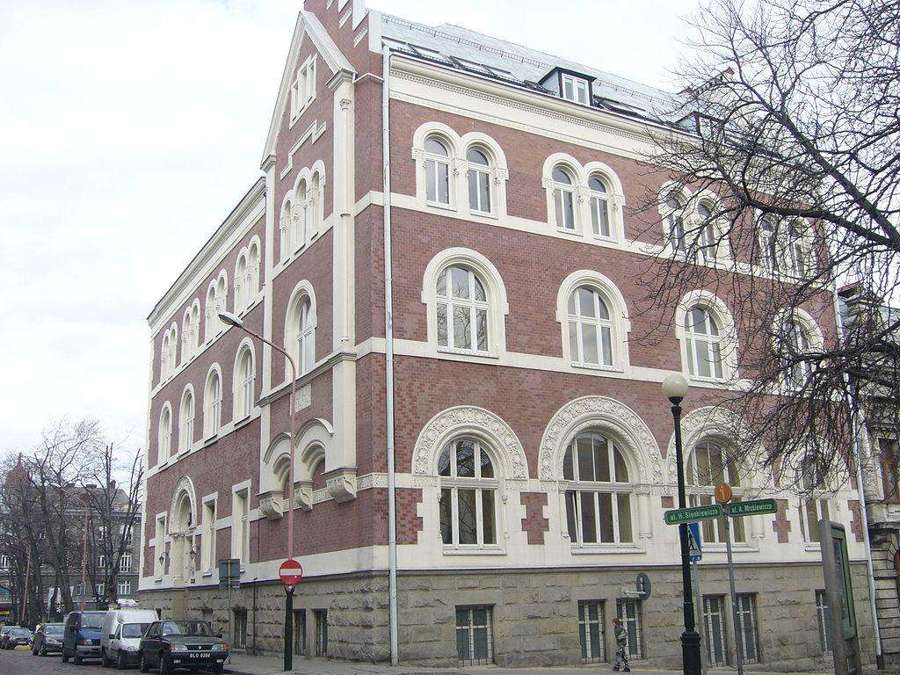
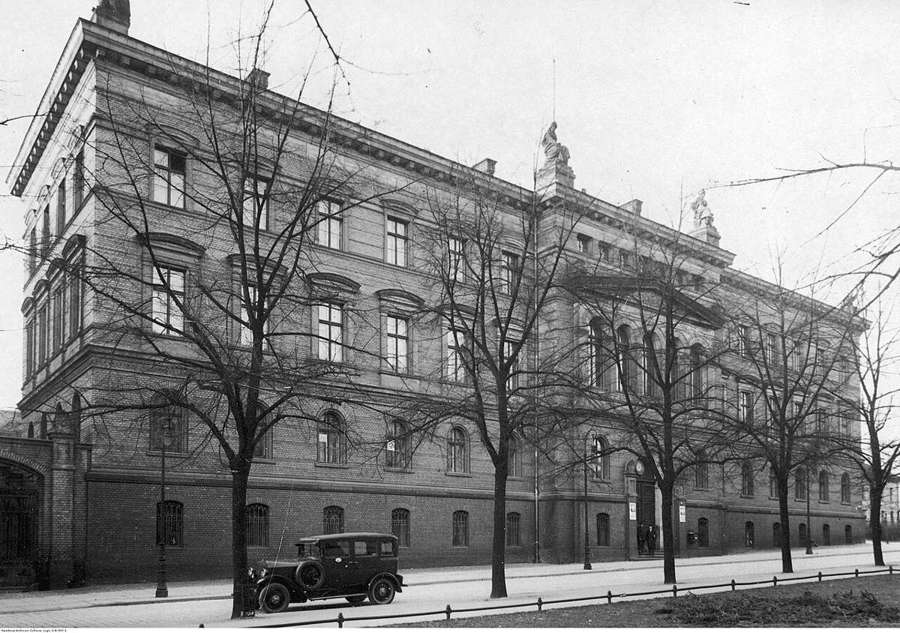
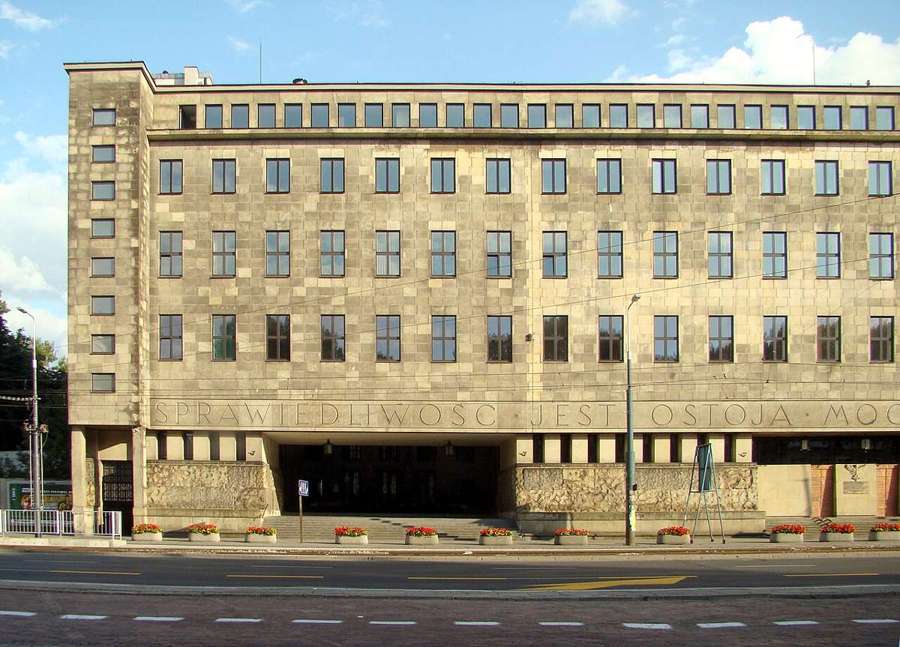
* Photos: Sąd Grodzki in Warsaw, Wikimedia Commons, public domain.
Frequently asked questions
Is mediation compulsory in Poland?
No. The e-Justice Portal describes it as voluntary and based on the consent of the parties. A court can refer you to mediation, but you can decline to take part.
Can the court make me pay if I refuse?
The family mediation page says a court may order a party to reimburse costs arising from a manifestly unreasonable refusal to engage in mediation.
Do I get my court fee back if we settle?
The portal says yes in part. It names 75% of the fees returned to the claimant after a settlement, and 100% in divorce and separation cases. Another page of the portal mentions 100% if the settlement comes before the hearing starts, so confirm the rule with the court.
Is what I say in mediation confidential?
According to the portal, yes. The mediator must not disclose details to third parties, and the minutes do not record the positions of the parties.