Where to Find International Food Shops in Warsaw: A Guide for Expats
The essentials: Start with Kuchnie Swiata (Zlote Tarasy and Arkadia, plus online). Indian: Little India (Mokotow), Bombaj Masala (three locations), Desi Dukaan online. Asian bulk: Wolka Kosowska; GroAsia online, Warsaw store opening 2026. Hala Gwardii is closed until a planned 2027 reopening; Hala Mirowska stalls returned Oct 2026.
The quick map
Warsaw's international food shopping falls into four buckets, and knowing which bucket holds what saves you hours of hunting:
1. The everything-under-one-roof delis - Kuchnie Świata, the city's long-running world-food chain, with two Warsaw shops (Złote Tarasy and Westfield Arkadia) plus an online store. 2. Cuisine-specific shops - Indian groceries like Little India (Mokotow) and Bombaj Masala (three locations), plus online specialists like Desi Dukaan. 3. The Asian wholesale district - Wólka Kosowska, just south of the city, where restaurant-supply warehouses sell retail too. 4. Supermarket world-food aisles - the big chains' international sections, decent for staples, thin for anything specific.
*Data source: shop locations and hours verified on the businesses' own sites, 21 October 2026 (URLs in Sources).*
Kuchnie Świata: the default first stop
Kuchnie Świata ("World Cuisines") is the closest thing Warsaw has to a one-stop international supermarket. The company spent years supplying restaurants before opening retail delis, and the range shows it - Asian sauces and noodles, Indian spices and lentils, Mexican, Italian, Middle Eastern, plus fresh sushi ingredients. Warsaw has two branches:
- Złote Tarasy - ul. Złota 59, level -1 by the Central Station exit; Mon-Sat 9:00-22:00, trading Sundays 9:00-21:00
- Westfield Arkadia - al. Jana Pawła II 82, level 0; Mon-Sat 10:00-22:00, trading Sundays 10:00-21:00
They also run an online shop with delivery, and a loyalty card giving a standing 10% discount for a year. The company headquarters and warehouse are at ul. Słodowiec 10. For a first pantry restock after the move, this is the efficient hour.
*Data source: kuchnieswiata.com.pl store pages - checked 21 October 2026.*
Indian groceries: three solid options
Warsaw's Indian community supports several dedicated shops:
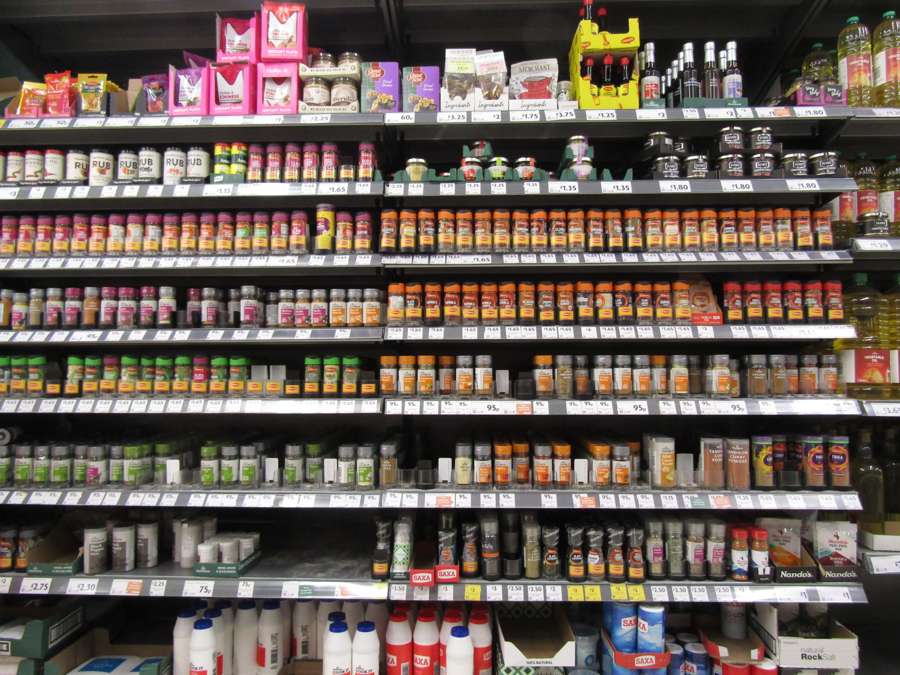
- Little India - ul. Domaniewska 22 lok. 4 (Mokotow); Mon-Fri 10:00-19:00, Sat 10:00-18:00. Spices, dals, rice, flours, frozen and fresh Indian staples.
- Bombaj Masala - three locations: Mokotow (Marynarska 21), Praga (Ząbkowska 29) and Wola (Krochmalna 61).
- Desi Dukaan - an online Indian grocery delivering in Warsaw and beyond; handy for heavy items like 5 kg rice bags (their deal-of-the-week model keeps staples rotating on discount). Phone contact: +48 788 888 618.
*Data sources: littleindia.pl shop page, bombajmasala.pl, desidukaan.pl - checked 21 October 2026.*
Asian ingredients: from retail shelves to the wholesale district
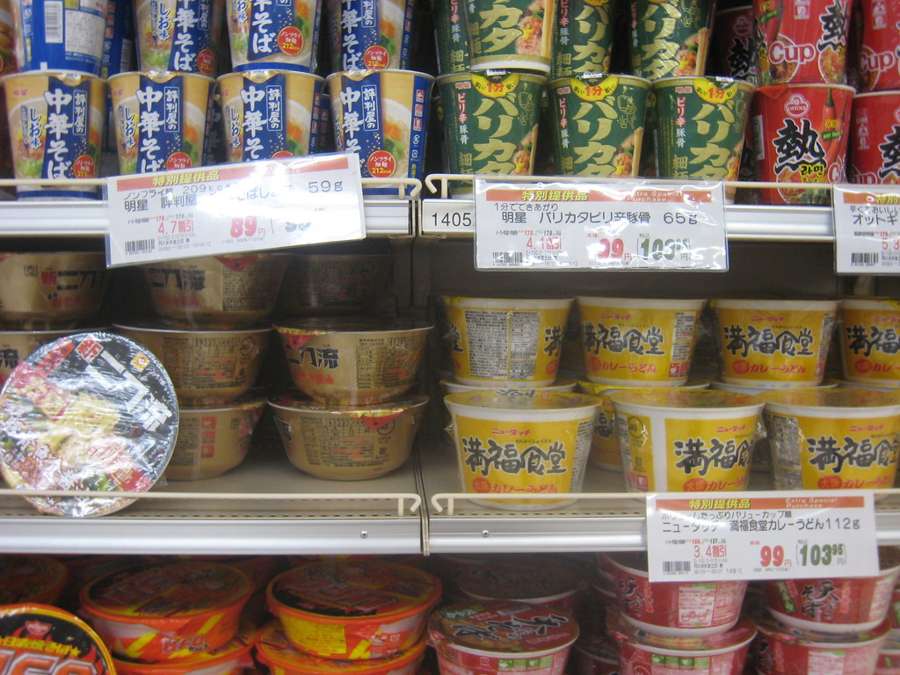
Beyond Kuchnie Świata's Asian range, two routes matter. GroAsia is a new Asian specialty grocer: its flagship Warsaw store is announced as opening in 2026 (not open yet at the time of writing), while its online shop already takes pre-orders with Poland-wide delivery - worth bookmarking if you cook East or Southeast Asian food regularly.
In the city itself, Asian cooking is also served by the "foods of the world" shelves of the bigger supermarkets - sushi rice, nori, soy and fish sauce are now normal stock - and by Kuchnie Świata's notably deeper Asian section, which runs to curry pastes, tamarind, jasmine tea, chili oils and rice noodles in several widths (their own product pages list exactly these staples).
The deep option is Wólka Kosowska, the wholesale-trade district south of Warsaw (home to the GD Poland Chinese trade centre and the Wólka Center complex). This is where many of the city's Asian restaurants buy: rice in bulk, sauces by the case, frozen dim sum, noodles of every width. Warehouses generally sell to walk-in retail customers too, so a monthly stock-up trip can be significantly cheaper than city retail - bring a car and a list.
*Data sources: groasia.eu (retail "Opening 2026" status), gdpoland.pl, piasecznonews.pl on Wólka Center - checked 21 October 2026.*
Reading labels and finding substitutes
Half of international shopping is detective work, and two habits make it easier. First, learn the ten Polish words that unlock shelves: sos sojowy (soy sauce), mleko kokosowe (coconut milk), ryż jaśminowy/basmati, soczewica (lentils), ciecierzyca (chickpeas), tahina (tahini), makaron ryżowy (rice noodles), liście limonki kaffiru and imbir (ginger). Staff in specialist shops often speak English; supermarket staff rarely do, so a photo of the product on your phone beats any description. Second, accept substitutions gracefully: Polish dairy (twaróg, kefir, śmietana) is excellent and fills many roles, seasonal Polish produce outclasses flown-in imports, and some things you will simply order online or bring back from trips home - that is normal expat logistics, not failure.
Markets and halls: read the current status
Warsaw's market halls are in flux, so check before you go. Hala Gwardii - the popular food hall on Plac Żelaznej Bramy - is closed for modernization, with reopening planned for 2027; do not build a Saturday around it. Hala Mirowska's famous flower stalls have just returned (October 2026) in new pavilions after a temporary closure, and the area's food stalls are rebuilding around the renovation works. The reliable everyday alternative remains the neighbourhood bazaars (Bazar na Kole, Żoliborz's Plac Wilsona market, and the Hala Mirowska surroundings once works finish), where seasonal produce is the draw rather than imported goods.
*Data sources: FM Newsroom on the Hala Gwardii modernization contract and 2027 reopening; dlaHandlu.pl on the Hala Mirowska stalls' 14 October 2026 return - checked 21 October 2026.*
Halal, kosher and dietary-specific shopping
Warsaw's Muslim community is served by halal butchers and shops clustered largely around the city's mosques and in the eastern districts, and the wholesale trade recognizes the segment - GroAsia's wholesale arm explicitly lists halal establishments among its clients. Kosher products concentrate around the Nożyk Synagogue area (Śródmieście), with a small but steady selection in specialist shops. For gluten-free, vegan and allergy-safe shopping, the picture is brighter: Polish supermarkets have expanded "free from" shelves considerably, and dedicated health-food chains stock international specialty brands. Whatever the diet, the pattern repeats: city-wide basics from supermarkets, depth from the specialists.
*Data source: groasia.eu wholesale page (halal clients) - checked 21 October 2026.*
The supermarket aisle: useful, with limits
For ordinary weeks, the big supermarkets carry "foods of the world" aisles - soy sauce, taco kits, basmati rice, coconut milk, passata, tahini. These cover perhaps 80% of a casual international kitchen. Where they fail is depth: specific curry pastes, proper gochujang, fresh lemongrass, paneer, dosa rice, real masa harina. When the aisle fails you, the specialist shops above are the answer - or the online route, where Polish e-commerce for international food has become genuinely good.
The smaller communities' routes
If your kitchen is Latin American, African, Korean, Japanese or Middle Eastern, the honest answer is a mix: Kuchnie Świata covers the cross-over staples, cuisine-specific online shops deliver the rest, and the diaspora groups themselves are the living directory - every community in Warsaw maintains its group chat or Facebook group where someone always knows who just received a container of the thing you miss. Asking there is faster than any search engine, and the answers come with opening hours that are actually current.
Practical notes that save a wasted trip
- Sunday trading: Poland restricts most Sunday shopping to designated "trading Sundays" (roughly one or two per month). The shop hours quoted above mark them explicitly (niedziela handlowa) - on other Sundays the malls' food shops are closed, so international top-ups are a Saturday errand. Online ordering works regardless.
- Payment: cards and BLIK are accepted essentially everywhere including bazaar stalls; cash is now the backup, not the rule.
- Getting there: Złote Tarasy sits on top of Warszawa Centralna station; Arkadia has a large car park and tram links; Wólka Kosowska realistically requires a car.
- Prices: specialist imports cost what imports cost. The Wólka Kosowska bulk trip is the one reliable way to bend the number down for Asian staples.
- Fresh specialty produce (Thai basil, curry leaves, okra, plantain): availability swings with deliveries, so call the shop before a special trip for one ingredient.
- Freezer strategy: specialist shops' frozen sections (dumplings, parathas, cassava, seafood) are consistently deeper than fresh - expat freezers fill up fast for a reason.
A newcomer's shopping rhythm
A pattern that works for many expat households:
1. Weekly - local supermarket plus the neighbourhood bazaar for produce. 2. Monthly - one Kuchnie Świata run (Złote Tarasy is the most central) for sauces, spices and noodles. 3. Every couple of months - a Wólka Kosowska bulk trip or a Desi Dukaan online order for heavy staples like rice and oil. 4. Ongoing - the specialist shop nearest your district (Little India on Mokotow, Bombaj Masala on Praga or Wola) for the cuisine you cook most.
What changed for expat cooks in Warsaw
Long-settled foreigners describe a real shift: a decade ago, sourcing fish sauce or proper chillies meant knowing a guy; today the constraint is mostly budget and Sunday hours. The drivers are visible in this article alone - a world-food chain with online delivery, dedicated Indian groceries across three districts, a new Asian specialty retailer investing in a flagship store, and a wholesale district that quietly feeds half the city's restaurants. The practical consequence for a new arrival: pack your favourite recipes, not your pantry. Almost everything on the ingredient list is buyable here, and what is not, Warsaw's communities will point you to within a day.
Frequently asked questions
Where can I buy Indian spices and ingredients in Warsaw?
Little India (Domaniewska 22 lok. 4, Mokotow), Bombaj Masala (Mokotow, Praga and Wola locations), and Desi Dukaan online. Kuchnie Świata also carries a wide Indian range.
Is there an Asian supermarket in Warsaw?
Kuchnie Świata (Złote Tarasy, Arkadia) carries a broad Asian range; GroAsia's flagship Warsaw store is announced for 2026 with online pre-orders already running; and the Wólka Kosowska wholesale district south of the city sells Asian ingredients in bulk to walk-in customers.
Is Hala Gwardii open?
No - Hala Gwardii is closed for modernization with reopening planned for 2027. Hala Mirowska's flower stalls returned in October 2026 in new pavilions; check current status before visiting either.
Do Warsaw supermarkets sell international food?
Yes - the big chains have world-food aisles with staples (soy sauce, coconut milk, taco kits, basmati). For anything specific, use the specialist shops or online stores.
Can I order international groceries online in Poland?
Yes. Kuchnie Świata runs an online shop, Desi Dukaan delivers Indian groceries, and GroAsia ships Asian products Poland-wide. * Photos: "Instant noodles" (CC BY 2.0, via Openverse) and "Herbs, spices and condiments" by Kolforn (CC BY-SA 4.0, Wikimedia Commons).