Living in Mokotów with Children: Parks, Schools and Metro (2026)
The essentials: Mokotów combines 145+ hectares of green space, the 70-hectare Pole Mokotowskie park (modernized 2023), five M1 metro stations and dense public schools with preparatory classes for foreign children. Trade-offs: above-average rents, the Cybernetyki commute crush, and competitive kindergarten places.
Ask Warsaw parents where they would live if they could pick any district, and Mokotów wins the informal poll more often than not. It is the capital's classic family compromise: close to the center without being in it, greener than most of the city, packed with schools and playgrounds, and connected by metro. Here is what the district actually offers families, grounded in the city's own figures as of October 2026.
Where and what Mokotów is
Mokotów sits on the left bank of the Vistula in Warsaw's south, covering 35.4 square kilometres and bordering the city center (Śródmieście) to the north and the newer residential districts of Ursynów and Wilanów to the south. The district office itself markets it as a place "ideal for living" thanks to its greenery and direct proximity to downtown - and for once the brochure language matches the local consensus. The housing stock is a pleasant jumble: pre-war villas in Stary Mokotów and Sielce, mid-century modernist blocks, and newer developments around the Cybernetyki office cluster. That variety means families can choose between leafy streets with character and practical modern blocks with lifts and parking.
*Data source: Mokotów district office (mokotow.um.warszawa.pl/o-mokotowie), checked October 21, 2026.*
The green argument: parks, ponds and a wild lake
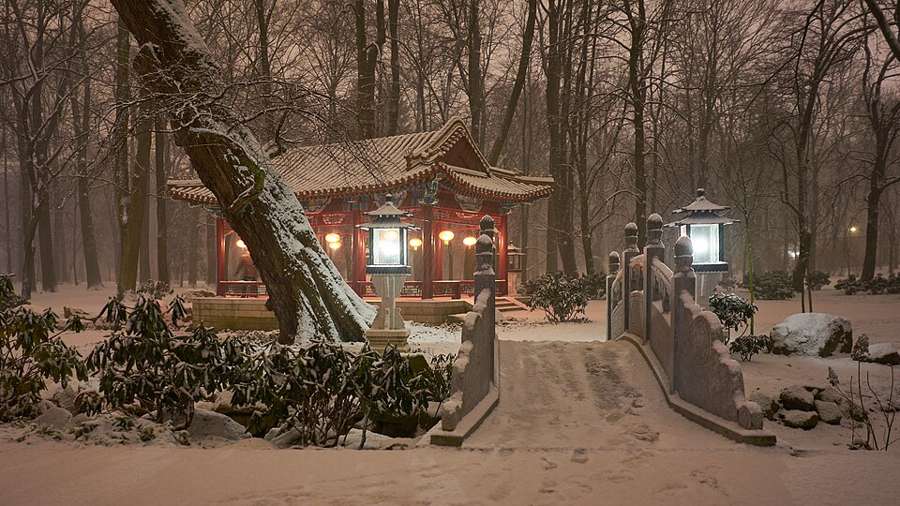
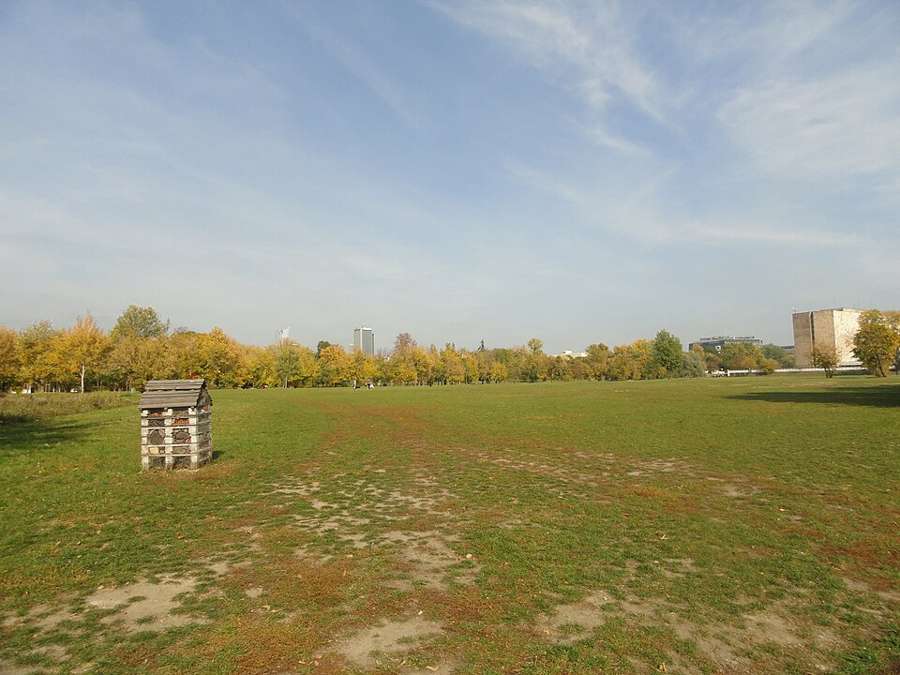
The district counts 145.75 hectares of parks, green squares and allotment gardens, plus stocked ponds - and its headline green space is exceptional. Pole Mokotowskie, the 70-plus-hectare park on the district's northern edge, completed a full modernization in December 2023 that removed 16,000 square metres of concrete from its ponds, rebuilt the water system with reed beds, and added a sensory garden with climbing stones, a running track, an outdoor gym and dog ponds. It is now arguably the best big park in Warsaw for young children: natural play elements instead of plastic, wide meadows for ball games, and paths flat enough for balance bikes.
Further south, Jeziorko Czerniakowskie - at 19.5 hectares the largest lake in Warsaw and a formal nature reserve - gives the district a genuinely wild waterfront, with herons and grebes a short walk from apartment blocks. Smaller parks like Morskie Oko and Park Dreszera fill the gaps between neighborhoods.
*Data source: Mokotów district office; City of Warsaw, "Park Pole Mokotowskie w nowej odsłonie", December 12, 2023 (um.warszawa.pl), checked October 21, 2026.*
Schools and kindergartens
Mokotów families use the same national system as the rest of Poland: free public kindergartens run by the city, catchment-based public primary schools, and - important for newcomers - preparatory classes (oddziały przygotowawcze) with extra Polish lessons for foreign children, which Warsaw schools are obliged to organize when needed. The district's density of schools is one of its selling points: most families live within walking distance of their catchment primary, and several of Warsaw's international and bilingual schools sit in or near the district, which is why so many expat families cluster here. Our guides to Warsaw kindergartens and family life cover the application mechanics; the short version is that Mokotów is the path of least resistance for an English-speaking family that wants public education with support.
*Data source: City of Warsaw education portal (um.warszawa.pl/edukacja), October 2026.*
Getting around: metro, trams and the school run
Mokotów is one of the best-connected family districts in the city. Metro line M1 runs straight through it - the Pole Mokotowskie, Racławicka, Wierzbno, Wilanowska and Służew stations serve different corners of the district - putting the city center ten to fifteen minutes away and making a car-free school run realistic. Dense tram and bus lines fill the gaps, and the new tramway toward neighboring Wilanów has improved the southern edge. Rush-hour traffic on the main arteries is the district's genuine weakness; families who can live near a metro station feel it far less.
*Data source: editorial assessment of Warsaw's metro and tram network, October 2026.*
Everyday family logistics
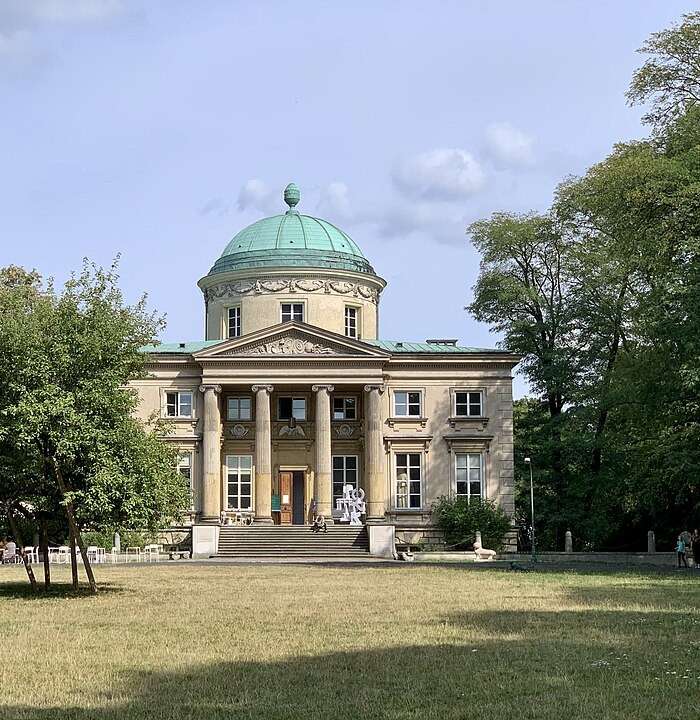
The district works at stroller height. Mokotów has the full inventory of family infrastructure: playgrounds in nearly every green square, the Królikarnia palace and park (a branch of the National Museum with a sculpture garden children treat as a maze), municipal swimming pools and sports halls, weekend farmers' markets, and a deep bench of cafés with play corners in Stary Mokotów. Healthcare follows the national NFZ rules covered in our insurance guide, with public clinics and private pediatric practices both dense here - private visit prices are the Warsaw norm rather than a district premium. For groceries and services, everything from corner shops to the Galeria Mokotów mall is inside the district.
*Data source: editorial; Mokotów district office for facilities, October 2026.*
The honest drawbacks
Three trade-offs deserve honesty. First, price: Mokotów is one of Warsaw's more expensive districts for both rent and purchase, because everyone else also wants the parks-plus-metro combination - budget roughly the capital's average rent (85.1 zł per square metre for new leases citywide in Q1 2026) plus a premium for the leafiest pockets. Second, the Cybernetyki office zone - nicknamed "Mordor" by locals - floods with commuters on weekday mornings, making the streets around it the district's least family-feeling corner. Third, popularity pressure: sought-after kindergartens and schools fill quickly, so application deadlines matter. None of these are dealbreakers; they are the cost of choosing the district everyone rates.
*Data source: NBP BaRN rental statistics Q1 2026 via rynekprs.pl, checked October 21, 2026; editorial assessment.*
The quarters: picking your corner
Mokotów is really five neighborhoods stitched together, and families should choose deliberately. Stary Mokotów and Sielce are the pre-war heart - villa streets, mature trees, the district's café culture and its highest prices. Wierzbno and Ksawerów sit on the metro with mid-century blocks that are quieter and slightly cheaper. Służew and Stegny in the south offer larger 1970s-80s estates with generous green courtyards and the easiest access to Jeziorko Czerniakowskie. The Cybernetyki area suits parents who work in its offices and want a five-minute commute, at the cost of the office-district feel after dark. A practical approach: pick the metro station first, then search within a ten-minute walk of it.
*Data source: editorial assessment of the district's quarters, October 2026.*
A family Saturday, Mokotów edition
The district's rhythm is easiest to grasp as a single day. Morning: pastries from a Stary Mokotów bakery, then the sensory garden and meadows of Pole Mokotowskie while the running crowd does its laps. Midday: lunch at one of the district's child-friendly cafés - high chairs and play corners are standard rather than special. Afternoon: the sculpture garden at Królikarnia, a swim at the municipal pool, or in summer a walk around Jeziorko Czerniakowskie watching the herons. Evening: the playgrounds fill again until dusk, and the metro is there when grandparents or the airport call. It is an ordinary Saturday - which is exactly the point of choosing Mokotów.
*Data source: editorial; park and facility details as cited above, October 2026.*
Who Mokotów suits - and the alternatives
Mokotów is the right call for families who want the shortest possible compromise between green space, schools and commute, and who can absorb Warsaw-level rents. Families wanting more space and newer housing for the same money look one district south to Ursynów (same metro line, more blocks, its own excellent Kabaty forest); those wanting village calm look further to Wilanów. But for the classic question - "where do we land in Warsaw with kids and just live well?" - Mokotów remains the answer most local parents give, and the official numbers on its parks explain why.
*Data source: synthesis of the sources above, October 2026.*
*Photos: Królikarnia Palace in Mokotów by Kgbo, CC BY-SA 4.0; Pole Mokotowskie meadow by Cybularny, CC0, both via Wikimedia Commons.*
Frequently asked questions
Is Mokotów a good district in Warsaw for expat families?
Yes - it combines 145+ hectares of parks, the modernized 70-hectare Pole Mokotowskie park, five metro stations and a dense school network, which is why it is the district local parents most often recommend. Source: Mokotów district office; City of Warsaw, October 2026.
Are there free kindergartens in Mokotów?
Yes - Warsaw runs free public kindergartens citywide on national rules, and Mokotów has many; foreign children can also get preparatory classes with extra Polish in public schools. Source: City of Warsaw education portal, October 2026.
How do you get from Mokotów to central Warsaw?
Metro line M1 crosses the district with five stations (Pole Mokotowskie, Racławicka, Wierzbno, Wilanowska, Służew), reaching the center in about ten to fifteen minutes; trams and buses cover the rest. Source: editorial assessment of the Warsaw metro network, October 2026.
What is the biggest park in Mokotów?
Pole Mokotowskie - over 70 hectares, fully modernized in December 2023 with naturalized ponds, a sensory garden, running track and playgrounds. The district also has Warsaw's largest lake, the 19.5-hectare Jeziorko Czerniakowskie nature reserve. Source: City of Warsaw, December 12, 2023; Mokotów district office.