Family Life in Warsaw: Schools, Healthcare and Costs for Expats
The essentials: Warsaw is genuinely practical for expat families: public kindergartens are free (meals only), children get NFZ healthcare through family registration, ZUS pays 800 zł per child monthly, and a quarter of the city is green space. The real friction is recruitment deadlines, winter, and Polish-language schooling.
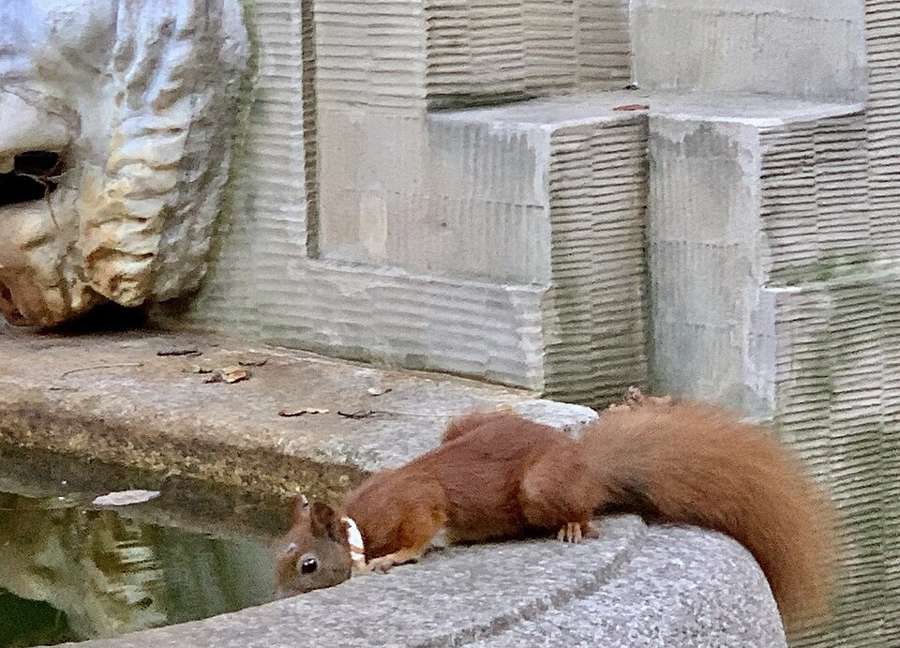
Warsaw quietly became one of Europe's more practical cities to raise kids in as a foreigner: free public kindergartens, free public healthcare for children, a monthly child benefit, and a quarter of the city given over to green space. The trade-offs are real too - grey winters, recruitment deadlines that punish late arrivals, and a school system that runs in Polish. This is the honest map of family life in Warsaw as of October 2026, with the official numbers where they exist.
Childcare and kindergarten: the free public track most expats underuse
Warsaw's public kindergartens - both city-run and non-municipal public ones - are free. Parents pay only for meals, plus optional voluntary contributions to the parents' council. For a family arriving from a country where daycare runs four figures a month, this is the single biggest cost surprise, in the good direction.
The catch is timing, not money. Admission runs through the city's electronic recruitment system, and for the 2026/2027 school year the main round opened on February 10, with a supplementary round starting May 4, 2026. Miss both and you are calling directors directly about free places in the current year, which the city's education portal explicitly recommends as the mid-year route. Our detailed comparison of public and private kindergarten in Warsaw covers the language question, waiting lists and what private fees buy when the public track is full.
*Data source: City of Warsaw education portal, public kindergartens and recruitment pages, checked October 21, 2026.*
Healthcare: children are covered, and properly
A child legally living in Poland with an insured parent is covered by the NFZ public system through family registration - the parent's employer or ZUS filing activates it, and cover starts from the registration day. Children under school age and pupils are additionally insured by the state even without another title. Pediatric primary care, the national vaccination programme and hospital care then cost nothing at the point of use. The mechanics, including the seven-day registration duty and the newborn PESEL shortcut, are in our guide to public healthcare for foreigners' children. Most expat families add a private pediatric package for speed and English; our NFZ-versus-private comparison prices that decision.
*Data source: healthcare benefits act Dz.U. 2025 poz. 1461 per our linked guides, October 2026.*
The 800+ benefit: cash that arrives monthly
Poland pays 800 zł per child per month under the Family 800+ programme, and foreign parents with qualifying residence status receive it too. It is cash support from ZUS, entirely separate from health cover - a family can have one without the other, which is why both registrations belong on your first-month list. Eligibility rules by status are in our 800+ guide.
*Data source: Family 800+ programme per ZUS, per our linked guide, October 2026.*
Where families actually live
The honest pattern: families cluster where kindergartens, parks and commutes intersect. Mokotów is the established expat-family district - green, well connected, full of playgrounds, priced accordingly. Wilanów is the newer family suburb, modern blocks and international schools nearby, at some of the city's highest rents. Ursynów offers more space for the money with the metro line running through it, and Żoliborz attracts families who want pre-war greenery close to the centre. Our district-by-district guide to all eighteen Warsaw districts and the family-neighborhoods essay from a parent who did the search cover the trade-offs street by street.
*Data source: editorial; see our linked district guides, October 2026.*
Weekends are the easy part
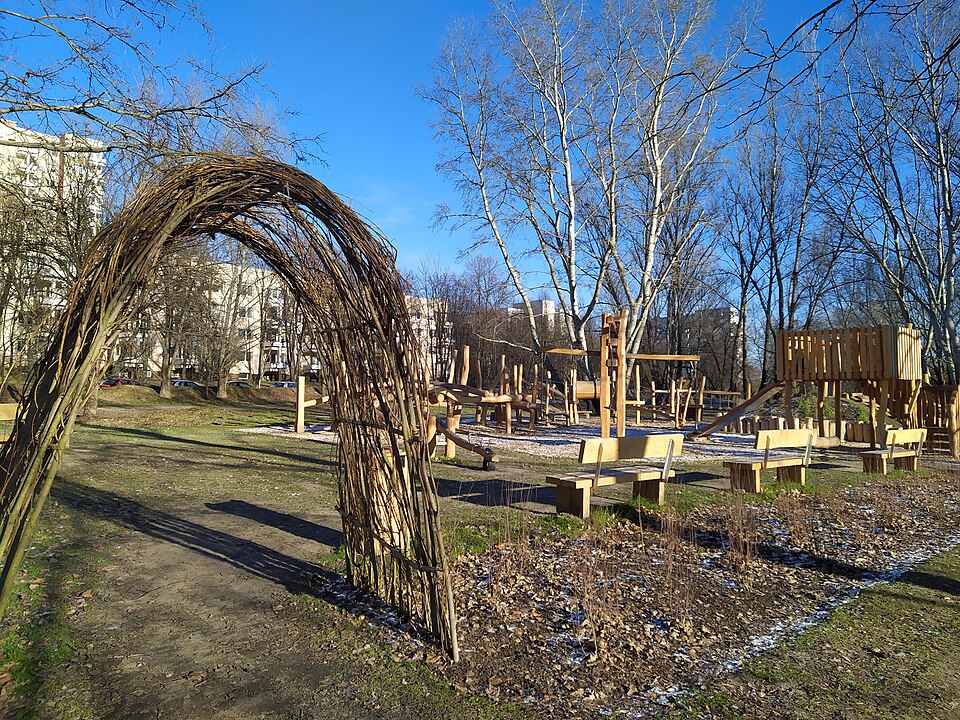
Almost a quarter of Warsaw is green space, and the city counts more than 79 parks plus two botanical gardens. For family weekends that translates to Łazienki's peacocks and squirrels, the natural playgrounds built into ordinary district parks, the Vistula's wild right-bank beaches in summer, and the Kabaty forest at the end of the metro line. Our parks guide has the hours, the free-entry days and the seasonal details like the Sunday Chopin concerts.
*Data source: City of Warsaw green pages and our parks guide, October 2026.*
Schools: Polish-immersion with an official bridge
Public primary school is free and the system has a legal obligation to take your child: your catchment school (szkoła obwodowa) must accept them even mid-year, and if it is full the district office assigns another. For children whose Polish is not yet sufficient, Warsaw runs oddziały przygotowawcze - preparatory classes inside ordinary public schools, capped at 25 pupils, where teaching follows adapted programmes and includes six hours of Polish-language lessons a week. A child stays in the preparatory class until the end of the school year, with the school's teaching council able to shorten or extend it. Warsaw ran 22 such classes across 13 schools in the latest published list, and placement goes through the district coordinator or the school directly; the city's education hotline and the [email protected] inbox handle foreign-parent questions. For families who need continuity in English or another curriculum, Warsaw's international schools are the alternative - at fees that commonly exceed rent, which is why many families try the public-plus-preparatory route first and judge after a semester.
*Data source: City of Warsaw education portal, preparatory classes and foreign-education Q&A pages; Prawo oświatowe Dz.U. 2024 poz. 737 and regulation Dz.U. 2023 poz. 2301, checked October 21, 2026.*
Daily logistics: transport, food and the rhythm
Family Warsaw runs on public transport: children ride free until age seven, the metro and tram network covers the school commute, and the city bike system has child-seat stations in the central districts. Grocery delivery is mature enough that the weekly shop can arrive at the door - our grocery-apps guide compares the English-friendly options. The rhythm that surprises newcomers is how early everything starts: schools open before 8:00, kindergartens from around 6:30, and the city is fully awake at hours that feel ambitious in October darkness.
*Data source: editorial practice; ZTM fare rules per our transport guides, October 2026.*
The honest friction points
Winter. November to February is dark and damp; families cope through indoor play centres, pools and the sheer number of soft-play venues, but the first grey season tests everyone. Language. Public school runs in Polish, with integration support varying by school; international schools solve it at a price that often exceeds housing. Recruitment calendars. Kindergarten and school admissions punish families who arrive in August and expect September places - the electronic system and its deadlines are the law of the land. Cars. You do not need one; the metro, trams and city bikes cover family logistics, and parking near the good kindergartens is its own sport.
*Data source: editorial practice; recruitment per the City of Warsaw education portal, October 2026.*
The first-month family checklist
Register your address and collect PESEL numbers for the whole family, register children for health cover within seven days of the parent's insurance starting, file the 800+ application, start the kindergarten or school conversation immediately regardless of season, and pick your home park. Our first-30-days guide sequences the paperwork; the family additions above slot straight into it.
*Data source: official sources cited above, checked October 21, 2026.*
*Photos: red squirrel in Łazienki Park by Kgbo, CC BY-SA 4.0; Dolinka Służewiecka natural playground by Radosław Botev, CC BY-SA 4.0, both via Wikimedia Commons.*
Frequently asked questions
Are public kindergartens in Warsaw really free for foreigners?
Yes - Warsaw's public kindergartens are free regardless of nationality; parents pay only for meals and optional parents' council contributions. Admission runs through the city's electronic recruitment system with fixed rounds. Source: City of Warsaw education portal, checked October 21, 2026.
Is healthcare free for expat children in Poland?
Yes, once registered: children of insured parents get NFZ cover through family registration, and children up to school age and pupils are state-insured even without another title. Source: healthcare benefits act Dz.U. 2025 poz. 1461; our linked children's healthcare guide, October 2026.
Do foreign families get the 800+ child benefit in Warsaw?
Yes, with qualifying residence status - 800 zł per child per month from ZUS, separate from health insurance. The status rules are in our 800+ eligibility guide. Source: Family 800+ programme per ZUS, October 2026.
Which Warsaw district is best for expat families?
Mokotów for established infrastructure, Wilanów for modern family housing near international schools, Ursynów for space and metro value, Żoliborz for greenery near the centre. Our district guide compares all eighteen. Source: editorial; our linked district guides, October 2026.
My child speaks no Polish - can they attend a public school in Warsaw?
Yes. The catchment school must accept your child even mid-year, and Warsaw runs preparatory classes (oddziały przygotowawcze) with six hours of Polish lessons weekly for children whose Polish is not yet sufficient, capped at 25 pupils. Source: City of Warsaw education portal, checked October 21, 2026.