Mikołajki in Poland: The 6 December Gift Tradition Explained
The essentials: Mikołajki, 6 December, is Poland's small-gift day: children find sweets, tangerines and small toys by their beds in the morning, schools hold St Nicholas visits, and the big presents still wait for Christmas Eve. It is a custom, not a public holiday.
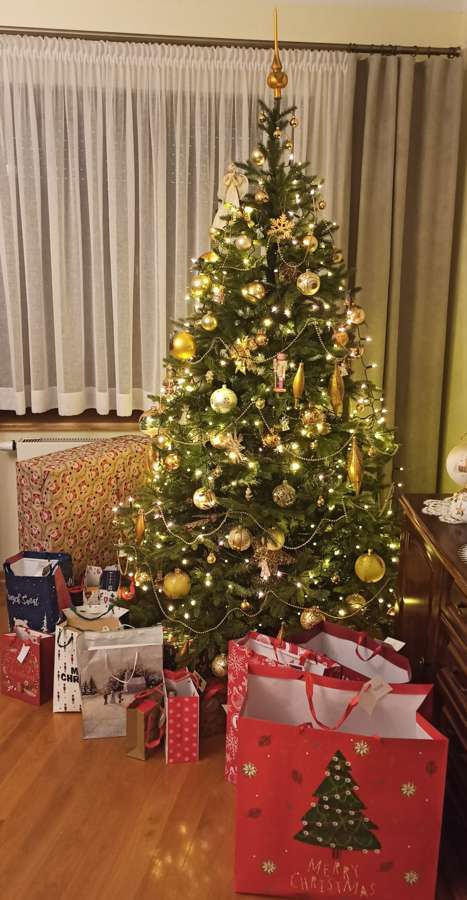
On the morning of 6 December, children across Poland wake up to find small gifts waiting by their beds, in their shoes or under their pillows, left there overnight by Święty Mikołaj, St Nicholas himself. Mikołajki, St Nicholas Day, is the unofficial opening of the Polish festive season: not a day off, not a big holiday, but a beloved custom that every kindergarten and primary school marks, and one that catches many expat families by surprise the first December they spend here. This guide explains what actually happens on Mikołajki, where the custom comes from, how it fits the wider season, and how expat families can join in, all checked against Polish museum sources on 22 October 2026.
What happens on 6 December
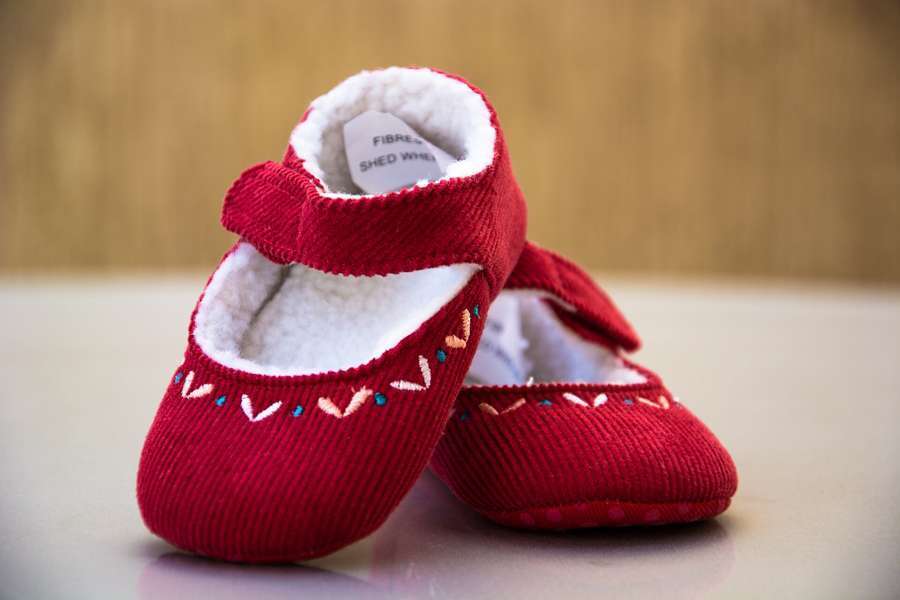
Mikołajki is simple and charming. On the night of 5 to 6 December, St Nicholas, Święty Mikołaj, is said to visit sleeping children and leave them a small gift: traditionally something sweet, a tangerine, a chocolate figure, a small toy or a book. Some families leave the gift under the pillow, others in a polished shoe set out the evening before, others by the bed or on the windowsill, and children debate the details with the seriousness of diplomats. The gifts are deliberately modest, because Mikołajki is not Christmas: the big presents still wait for Christmas Eve, and 6 December is a taste of the season rather than the feast itself. Tradition also keeps a playful edge for the naughty: children who misbehaved might find a rózga, a small birch switch, instead of a gift, though in modern homes the switch survives mostly as a joke and a prop rather than a real threat, and many children find the threat of it funnier than the gifts themselves.
The day is an ordinary working and school day. What makes it special for children is that schools and kindergartens mark it: St Nicholas visits classrooms, often played by a parent or an older pupil in a borrowed bishop's mitre, children sing and recite, small gifts or sweets are handed out, and in the early years of school it is one of the happiest days of the calendar, talked about for days before and after.
Data source: Ethnographic Museum in Rzeszów and National Museum in Wrocław tradition materials, checked 22 October 2026.
Where the custom comes from
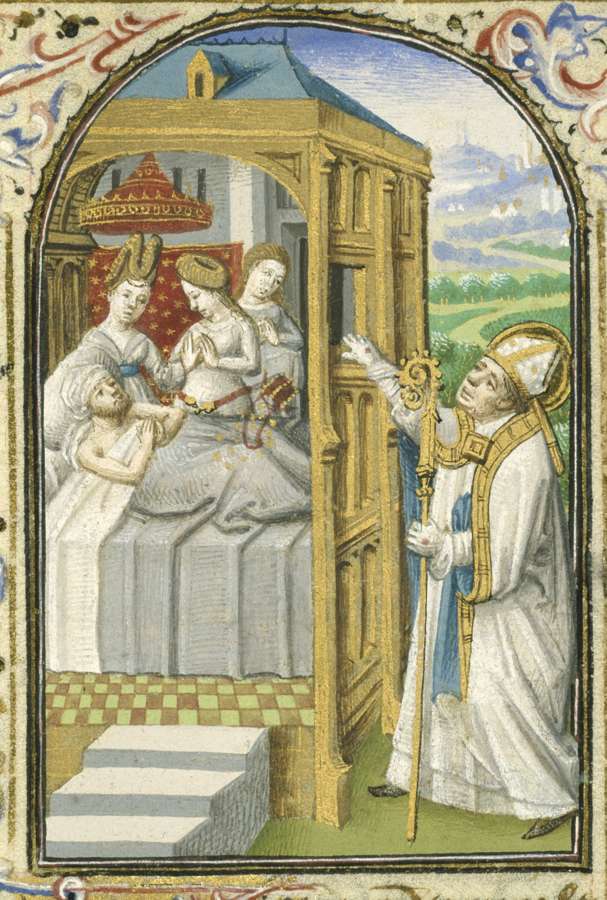
The figure behind it is real enough: Nicholas, born around the year 270 in Patara in Asia Minor, in what is now Turkey, became bishop of Myra and one of the most venerated saints of both the Eastern and Western churches, patron of sailors, bakers, merchants, pilgrims, prisoners and, above all, children. The legend that made him a gift-bringer tells of a poor father with three daughters and no dowries, which in that world meant no marriages; Nicholas secretly threw purses of gold into their house at night, and the girls were saved. A fifteenth-century book of hours shows the scene: the saint outside the window, the family asleep within. From that story grew the custom of secret night-time generosity, and from the custom grew 6 December, his feast day, as the date of the giving.
The tradition is old in Poland. Gift-giving on St Nicholas Day is documented in Polish sources from the fifteenth century, and the Ethnographic Museum in Rzeszów traces its Polish form through centuries of records: a 1520 work on the customs of nations already advised children to fast on 5 December if they hoped for a gift that night, and in the eighteenth century children received books, medals and holy pictures from St Nicholas, while naughty children genuinely did receive the switch. Schools once stood at the heart of it: from medieval times, schools under the saint's patronage marked his day, which is why the classroom celebration survives so strongly today. The red-suited, fur-trimmed figure familiar today is a modern costume; older Polish images show him in the white robes of a bishop, with a mitre and crozier.
Data source: Ethnographic Museum in Rzeszów, "6 December - St Nicholas" (muzeumetnograficzne.rzeszow.pl), and National Museum in Wrocław, "Święty Mikołaj" (mnwr.pl), checked 22 October 2026.
Mikołajki, Advent and Christmas: how the season fits together
For newcomers, the Polish festive calendar can be confusing, so here is the shape of it. Advent begins on the fourth Sunday before Christmas and is a quiet, expectant season, once strictly observed as a time without dancing or weddings in the countryside. Mikołajki on 6 December is the first spark: small gifts, school visits, the first festive sweets in the shops. The season then builds to Christmas Eve, Wigilia on 24 December, which is the emotional and culinary centre of the Polish year, a twelve-dish meatless supper when the main gifts are exchanged after the first star appears in the evening sky. Christmas Day and Boxing Day, 25 and 26 December, are public holidays. Mikołajki itself is not a public holiday: shops, offices and schools run as normal, and the celebration happens around the edges of an ordinary day.
One practical note for gift-planning: because Mikołajki gifts are small and Christmas Eve gifts are the main event, Polish children in effect celebrate twice, and Polish shops treat the whole of late November and December as one long season. Grandparents and godparents often mark 6 December too, so coordinate within the family if you want to avoid three chocolate saints landing on the same morning. Chocolate St Nicholas figures appear in every supermarket from mid-November, mikołajki-themed school fairs and parish events fill the first December weekend, and shopping centres bring in costumed St Nicholases for photo queues on the nearest Saturday.
Data source: museum tradition materials cited above, checked 22 October 2026.
What expat families should do
Joining in is easy and worth it. If you have children, prepare a small gift for the morning of 6 December: a chocolate figure, a tangerine and a small toy or book is the classic combination, left where the child will find it on waking. If your child attends a Polish kindergarten or school, expect Mikołajki activities and possibly a request to send in a small item or dress the child festively; watch the school's messages in the first week of December, because teachers assume every family already knows the custom and rarely explain it. Adults are not left out: in some workplaces colleagues exchange small mikołajki gifts or sweets, some families stretch the custom to small gifts between partners, and bringing a bag of chocolate figures to the office on 6 December will make you instantly popular. If you are invited to a Polish home in early December, a small mikołajki gift for the children is a gesture every parent will understand and appreciate. The golden rule is modesty: a Mikołajki gift should be small enough that no one feels outdone, because the custom is about a gesture, not a price tag, and oversized 6 December gifts are seen as missing the point rather than being generous.
For families whose own traditions include St Nicholas Day, from Germany, the Netherlands or elsewhere, Poland will feel familiar but gentler: no parades, no black-paged debates, just a sweet morning and a saint in a bishop's robes. And for families with no such tradition at all, Mikołajki is the softest possible entry into Polish festive life, costing a few złoty and repaying it in a child's delight.
Data source: museum tradition materials cited above, checked 22 October 2026.
Frequently asked questions
Is 6 December a day off in Poland?
No. Mikołajki is a custom, not a public holiday; schools, shops and offices run normally, with celebrations folded into the ordinary day.
What do Polish children get for Mikołajki?
Small gifts: typically a chocolate St Nicholas, a tangerine, sweets, a small toy or a book, found on the morning of 6 December by the bed, under the pillow or in a shoe.
Is Mikołajki the same as Christmas gift-giving?
No. Mikołajki gifts are deliberately small; the main presents are exchanged on Christmas Eve, 24 December, after the Wigilia supper.
What is the rózga?
A small birch switch that tradition says naughty children receive instead of gifts; today it survives mostly as a joke and a decorative prop. * Photos: Cover - Aw58, CC BY 4.0, via Wikimedia Commons (festive gifts under a tree). Body - Master of Jean Rolin II, public domain, via Wikimedia Commons (St Nicholas secretly giving dowries, from a fifteenth-century book of hours).