Moving to Poland From Canada: Documents, Costs and Checklist
The essentials: Canadians visit Poland visa-free for 90 days in 180; a move needs a D visa or residence permit. Ages 18-35 can use the Youth Mobility Program: up to 12 months in Poland with no work permit, 202 CAD fee. Stays over 3 months need address registration; longer plans add 340-640 PLN stamp duty plus a 100 PLN card fee.
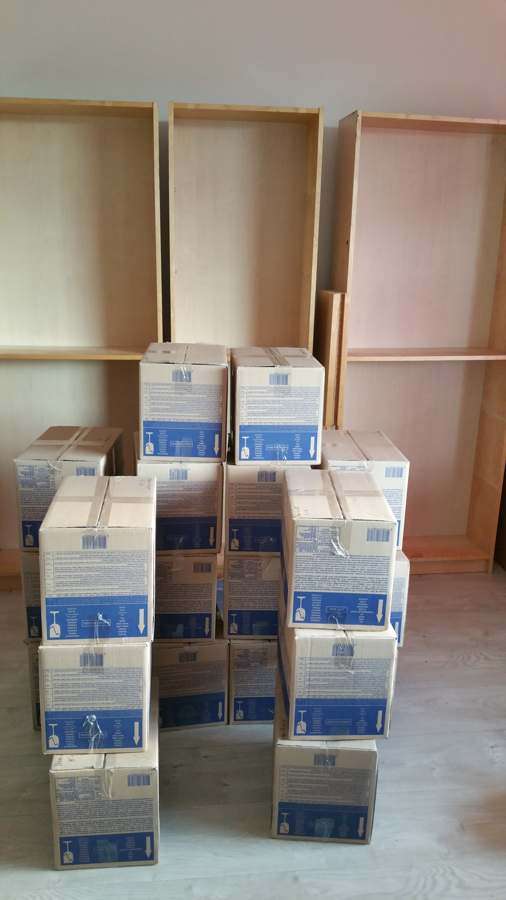
First, pick your legal lane
Canadians have three ways into Poland, and choosing the right one shapes every document on your checklist:
1. Visa-free short stay. Canadian citizens need no visa for the Schengen area for up to 90 days in any 180-day period, and stays count cumulatively across all Schengen countries. On entry, the EU's Entry/Exit System (EES) collects your trip data, facial image and fingerprints - no advance action needed. This lane suits scouting trips and visits, not a move. 2. National (D-type) visa. For stays over 90 days, apply at a Polish consulate in Canada before you fly. A national visa can be valid for up to one year. 3. Youth Mobility Program (YMP). If you are 18-35, a dedicated Canada-Poland agreement lets you live and work in Poland for up to 12 months - with no work permit required.
Longer plans (work contracts, study, joining family) run on the D visa or a temporary residence permit applied for after arrival.
*Data sources: travel.gc.ca "Poland travel advice" (updated 9 September 2026) and gov.pl "Visas - general information, Poland in Canada" - checked 21 October 2026.*
The Youth Mobility Program in detail
The Canada-Poland Youth Mobility Program is the simplest full move for eligible ages, and it is underused. The essentials, from the Polish Embassy in Canada's program page:
- Who: Canadian citizens aged 18 to 35.
- How long: up to 12 months in Poland.
- Three categories: professional development (pre-arranged job or internship contract), internship/on-the-job training (arranged between educational institutions), and working holiday (occasional work to fund travel, with a statement that your purpose is training and learning plus a declaration of intent from a prospective Polish employer).
- Work permit: not required in any of the three categories.
- Fee: 202 CAD, paid at the consulate counter when you apply (cash, money order or certified cheque; the Toronto consulate also takes cards except American Express). The fee is non-refundable.
- Where: the consular office for your place of residence - Ottawa, Montreal, Toronto or Vancouver - booked through the e-konsulat system.
- When: apply no earlier than 6 months and no later than 2 weeks before departure, in person.
*Data source: gov.pl, "Youth Mobility Program Poland-Canada" (Poland in Canada) - checked 21 October 2026.*
Documents to gather before you leave Canada
The YMP checklist from the consulate doubles as a good master list for any lane:
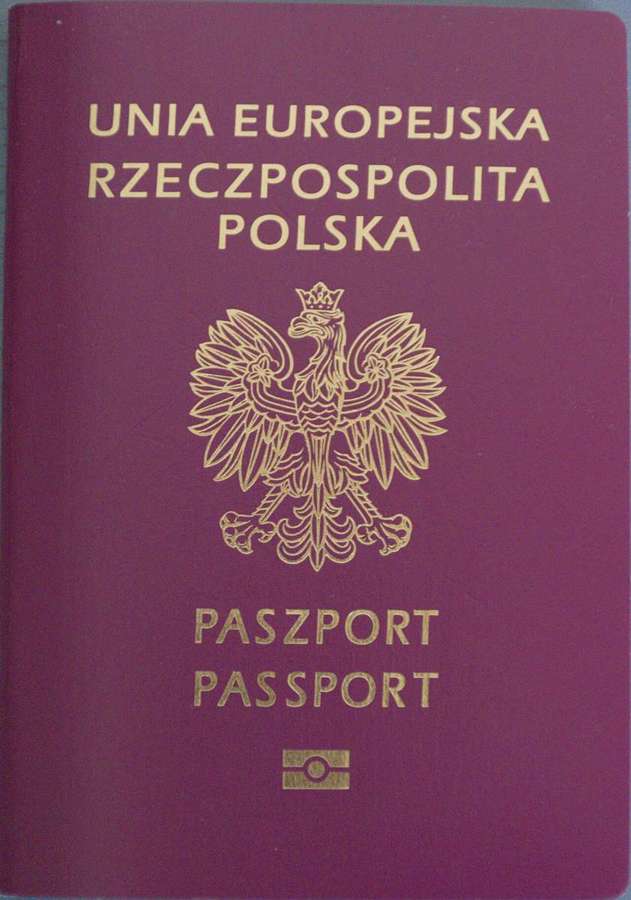
- Passport - valid at least 3 months beyond your intended departure from Poland, with a blank visa page.
- National visa application form - filled in via the e-konsulat portal, printed, dated and signed, plus the program declaration.
- Two passport photos and an up-to-date CV.
- Travel medical insurance for your entire stay with coverage of at least 50,000 CAD - and note the strict part: you need a letter from the insurer confirming your name, validity across the whole Schengen area, exact coverage dates matching your flights, plan details (medicine, hospitalization, repatriation, death, pregnancy), the insured sum and no deductibles. An insurance card copy is not accepted, and "valid up to 90 days outside the province" wording is refused. Get this letter early; it is the document most applicants scramble for.
- Flight reservation home, or proof of funds to buy one.
- Category-specific proof - your Polish employment, internship or volunteering contract (signed, on letterhead, with dates, duration, salary and duties), or university enrolment documentation for the internship track.
Add your own moving basics: birth certificate, driver's licence, academic diplomas and, for anything official you will use in Poland, sworn translations - Poland requires documents from foreign authorities in Polish, so budget for a sworn translator (tłumacz przysięgły) rather than a regular one. A practical order of operations: translate only what an office has actually requested, because requirements differ between the consulate, the voivodeship office and your bank, and each translation is a separate fee. Scan every original and every translation, and keep one full set of paper copies in your hand luggage rather than the shipping boxes.
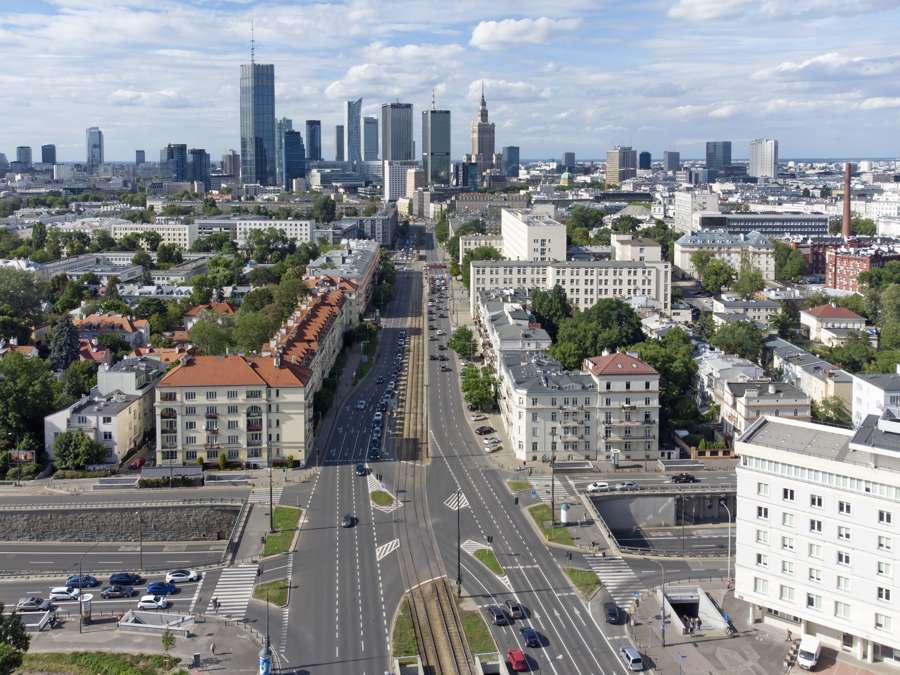
After you land: the first-week paperwork
Register your address (meldunek). Stays longer than 3 months require registration of a temporary stay. You can register at the municipal (gmina) office or online - online registration needs a trusted profile (profil zaufany), and since 1 January 2026 official online filings run through e-Doręczenia. Renters attach proof of legal title to the flat, typically the lease agreement. If you have no PESEL number, one can be assigned during registration.
Get a PESEL if one was not assigned - Poland's national ID number unlocks banking, healthcare enrolment, phone contracts and most admin.
Open a Polish bank account so rent, salary and BLIK payments work; our guides to banking and to monthly transport passes cover the next steps once your złoty and your commute exist.
*Data source: gov.pl, "Zamelduj się na pobyt stały lub czasowy dłuższy niż 3 miesiące" (includes the 1 January 2026 e-Doręczenia change) - checked 21 October 2026.*
Health coverage during the move
Health insurance runs in two phases. Phase one is the travel medical policy your visa application required - it covers the Schengen stay it was issued for, so check exactly when it expires. Phase two starts when you begin working in Poland: employment normally enrols you in the public health system (NFZ) through your employer's contributions, which replaces the need for private cover for everyday care. The gap risk sits between the two - if your YMP insurance ends before your first payslip arrives, extend it or buy a short private policy. Keep the insurer's letter and policy numbers with your other identity documents; clinics and hospitals will ask.
Staying longer than the visa: the residence permit
If the move becomes a life, the next step is a temporary residence permit, filed in Poland - applications run through the MOS system. Two payments attach to the application, per the Office for Foreigners' notice of 29 April 2026: a stamp duty of 340 to 640 PLN depending on the permit type, and a separate 100 PLN residence card issuance fee - paid to separate bank accounts, with the transfer confirmations (electronic PDF preferred) attached to the MOS filing. Apply well before your current status expires - processing takes weeks to months depending on the voivodeship office, and filing a complete application on time is what keeps your stay legal while you wait.
*Data source: Office for Foreigners (UDSC), "Information on stamp duty and residence card issuance fees", 29 April 2026 (gov.pl) - checked 21 October 2026.*
What the move costs: the honest ledger
The government-fixed numbers are the easy part:
- YMP visa fee: 202 CAD (non-refundable).
- Temporary residence stamp duty: 340-640 PLN by permit type.
- Residence card: 100 PLN.
- Insurance: varies by provider, but must meet the 50,000 CAD consular standard above.
Everything else - flights, shipping boxes, first month's rent plus deposit (see our Warsaw rental cost guide), sworn translations - scales with your choices. Shipping is worth a moment of arithmetic: sending a few boxes by freight or extra airline baggage almost always beats container quotes for a first move, and Warsaw's furnished rental market (and well-stocked flatpack furniture stores) means most newcomers ship far less than they first planned. The pattern most movers report: the paperwork fees are trivial next to the first month of housing, so sequence your spending: insurance letter and visa first, apartment deposit last.
Two situations worth checking early
Polish roots. Canadians with Polish ancestry sometimes discover they may already hold a claim to Polish citizenship by descent, or qualify for the Karta Polaka (Polish Card), which eases visas and work. Both paths run through consulates and take time - if either might apply to you, start that file before booking anything else, because it can replace half the paperwork in this article.
Driving. If you plan to drive, check how long your Canadian licence is valid for use in Poland and whether an International Driving Permit is recommended for your situation - rules differ for visitors and residents, and swapping or recognizing a licence is far easier to research before you need a car.
*For both topics, verify your exact case with the Polish consulate - individual situations vary.*
A working timeline
- 6 months out: choose your lane; book the consulate appointment in e-konsulat; request the insurance letter.
- 3 months out: gather documents, sign your Polish contract (YMP categories), arrange sworn translations.
- 1 month out: confirm accommodation and the landlord's willingness to support registration; scan everything twice.
- Arrival week: address registration (over-3-month stays), PESEL, bank account, phone number.
- Before your status expires: if staying, file the temporary residence application in MOS with both fee confirmations.
Frequently asked questions
Can Canadians move to Poland without a visa?
For up to 90 days in any 180-day period, yes - Canadians travel to Schengen visa-free. A move (over 90 days) needs a national D visa from a Polish consulate in Canada or a temporary residence permit applied for in Poland.
What is the Canada-Poland Youth Mobility Program?
An agreement letting Canadian citizens aged 18-35 live and work in Poland for up to 12 months, with no work permit, across professional development, internship and working-holiday categories. The fee is 202 CAD, via Polish consulates in Canada.
How much are the Polish residence fees?
Per the Office for Foreigners (29 April 2026): stamp duty of 340-640 PLN depending on permit type, plus a separate 100 PLN residence card fee, both attached as payment confirmations to the MOS application.
Do I have to register my address in Poland?
Yes, for stays longer than 3 months. Registration happens at the municipal office or online (trusted profile; since 1 January 2026 online filings go through e-Doręczenia). Renters attach their lease as proof of title to the flat.
What insurance do I need for the Polish visa in Canada?
Travel medical insurance for the full stay with at least 50,000 CAD coverage, proven by an insurer's letter naming Schengen-wide validity, exact dates, coverage details and no deductibles. A card copy is not accepted. * Photos: "Verhuizing maart 2016" (CC BY-SA 4.0) and "Aleja Niepodległości, Warsaw 2022 aerial" by Emptywords (CC BY-SA 4.0), via Wikimedia Commons.