Polish consular fees 2026: visa 200 euro, passport 140 euro
Short answer: Since 1 January 2026 a Polish national visa application costs 200 euro and an adult passport 140 euro under the consular tariff. Fees are set in euro and converted at the ECB rate.
Anyone who deals with a Polish consulate pays a fee, and the fees are not set by the consulate itself. They come from one regulation of the Minister of Foreign Affairs on consular fees. On 6 October 2026 the Ministry published a consolidated text of that regulation in the Journal of Laws (Dz. U. 2026 poz. 1298), dated 15 September 2026. The consolidated text adds no new rates. It puts the old and new tariffs in one document, which makes it a good moment to check what the current fees are for foreigners and for people applying for Polish documents abroad. This article is based on that text. Figures are as of the publication of the notice on 6 October 2026.
Two tariffs in one document
The consolidated regulation contains two tariffs. The first applied until 31 December 2025. The second applies from 1 January 2026. The text states that the amendment behind the change (a regulation of 29 October 2025, Dz. U. poz. 1523) entered into force on 9 December 2025, and the notice explains that it also implements an EU directive on the EU temporary travel document. For fees you pay now, only the tariff valid from 1 January 2026 matters. If you read an older blog post, a forum thread or a consulate page that was not updated, you may still see the lower 2025 numbers.
All fees in the tariff are set in euro. A consul converts them into the local currency using the European Central Bank reference rate from the last day of the previous month. If the ECB rate is not available, the regulation allows the rate of the host country's central bank. The converted amount is rounded up to a whole unit. The consul corrects the conversion every year on 1 January, and also when the rate of the local currency moves by at least 5 percent between two consecutive quarter-end comparisons. So the amount you pay in dollars, pounds or another currency can change slightly during the year even though the euro figure stays the same.
Fees that matter to foreigners
The part of the tariff for matters concerning foreigners (section III) changed as follows:
Application for a national visa (the long-stay D visa): 200 euro from 1 January 2026, up from 135 euro in 2025. The same 200 euro applies to a request to reconsider a refused national visa application.
Cross-border permit under the small border traffic scheme: 30 euro, up from 20 euro. The same amount applies to reconsideration of a refusal.
Temporary Polish travel document for a foreigner: 50 euro, up from 40 euro.
EU temporary travel document: 50 euro, up from 40 euro.
Request to reconsider a Schengen visa refusal: 90 euro, up from 80 euro.
The fee for the national visa is charged for accepting and examining the application. The tariff does not say that it is refunded if the visa is refused, so treat it as a cost of applying, not a deposit. The regulation sets how a refund is paid (cash at the consulate, a cheque where common, or a bank transfer), not in which cases one is due, so ask the consulate before paying if you may withdraw the application.
This tariff does not set the basic fee for a short-stay Schengen visa application. The section on Schengen visas in this tariff covers only the reconsideration of a refusal. Check the consulate or the Ministry's visa pages for the basic Schengen fee instead of assuming a number from this regulation.
Fees for Polish documents abroad
Many expats in Poland are also people with Polish roots, or have a Polish spouse or parent, and some deal with Polish consulates for passports or civil status papers. The tariff for 2026 lists, among others:
Passport: 140 euro for an adult applicant under the general rule, up from 110 euro. For a minor the tariff gives 45 euro, up from 35 euro. Lower rates of 70, 25 and 45 euro apply to groups listed in the passport act, which the tariff refers to by article number, so check whether you fall into one of those groups before you pay the general fee.
Temporary passport: 50 euro, up from 40 euro. A temporary passport issued outside office hours costs 100 euro, and on a day off from work 200 euro. A temporary passport issued for the time you wait for your regular passport costs 20 euro.
Second passport: 280 euro, up from 220 euro.
Certificates: a certificate that falls under no other item costs 40 euro, up from 30 euro. A certificate confirming that under Polish law a person may marry costs 60 euro, up from 50 euro.
Forwarding documents: delivering a document from a Polish authority costs 40 euro, and accepting a letter to be passed to Poland, when filing it at a consulate preserves a deadline in the proceedings, costs 30 euro.
Extra costs and refunds
The regulation notes that fees for a special way of performing a service are charged on top of the basic fee and on top of reimbursed expenses. Where the consul has to pay for something on your behalf, such as postage or a courier, the consul can ask for an advance payment that covers the expected expenses. Any unspent part of the advance must be returned. When a refund is made by bank transfer, the cost of the transfer can be deducted from it, but never more than the amount owed to you.
What to do in practice
First, check which consulate handles your case and read its current fee page. The consulate must apply this tariff, so its list should match the figures above once converted into local currency. If the amount looks higher by more than a few percent, check the date of the ECB rate it used.
Second, pay only the fee for the exact service in the tariff. If a consulate asks for a different amount, ask for the legal basis.
Third, keep the payment confirmation, because any refund goes back in the currency in which you paid.
The consolidated text is not a new law. It is a convenient reading copy, and the legally binding changes were the amendment of October 2025. This article describes fees only, and does not cover the documents or conditions for any application.
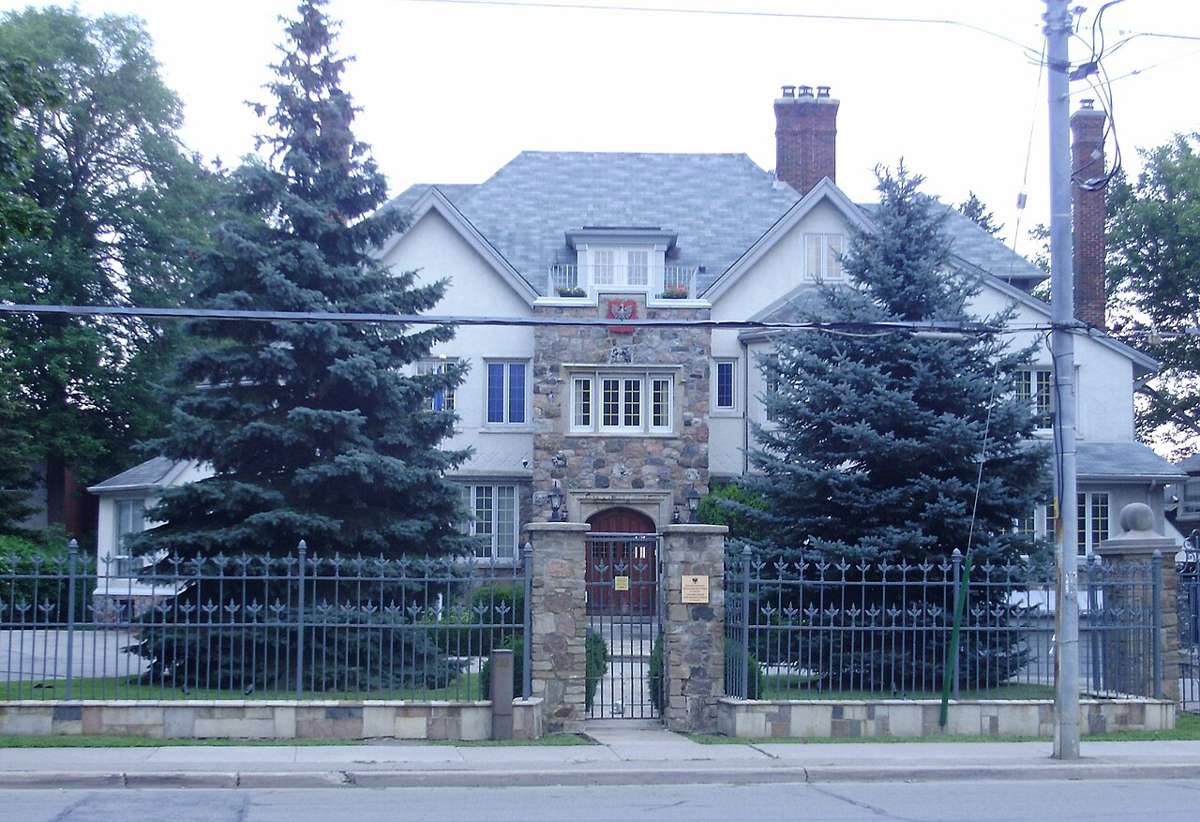
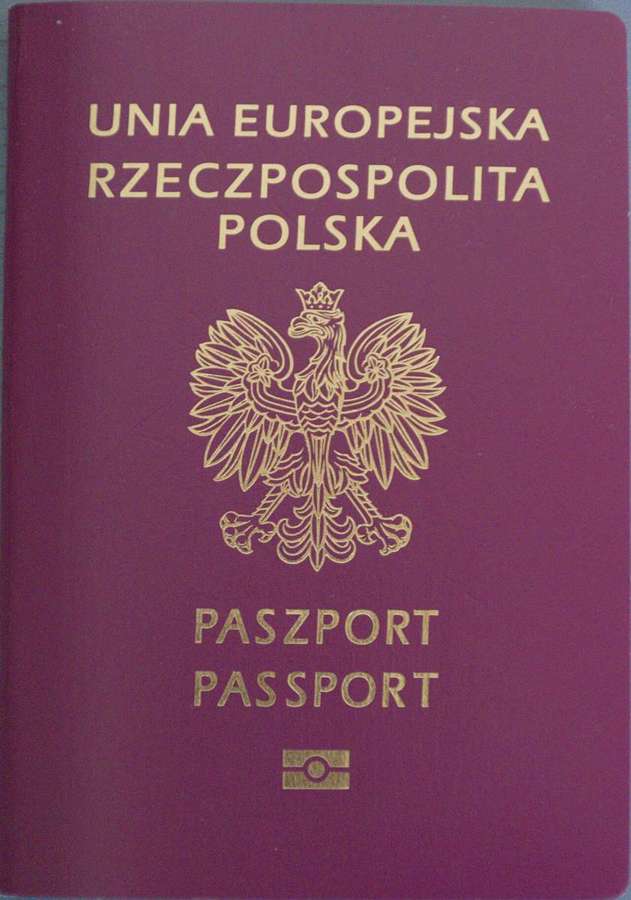
* Photos: Polish passport cover (2018 series) and Consulate General of Poland in Toronto, both public domain, Wikimedia Commons. Illustrative.
Frequently asked questions
How much does a Polish national visa cost in 2026?
The consular tariff valid from 1 January 2026 sets the fee for accepting and examining a national visa application at 200 euro, up from 135 euro in 2025 (Dz. U. 2026 poz. 1298). The consulate converts it to local currency.
Does the consular fee tariff set the Schengen visa application fee?
No. In this tariff the Schengen item covers only reconsideration of a refusal, 90 euro from 1 January 2026, up from 80 euro. Check the Ministry or consulate for the basic Schengen fee.
Why does the amount I pay differ slightly from the euro figure?
Fees are set in euro and converted using the ECB reference rate from the last day of the previous month, then rounded up to a whole unit. The conversion is corrected every 1 January and when the rate moves by at least 5 percent.