Poland National Visa (D) vs Schengen Visa (C): Rules and Fees (2026)
Short answer: A Schengen type C visa allows up to 90 days in any 180-day period across Schengen; a Polish national type D visa allows more than 90 days in Poland, up to one year, plus 90/180 travel elsewhere in Schengen. Fees are EUR 90 (C) and EUR 135 (D, since June 2024); applications register in E-KONSULAT.
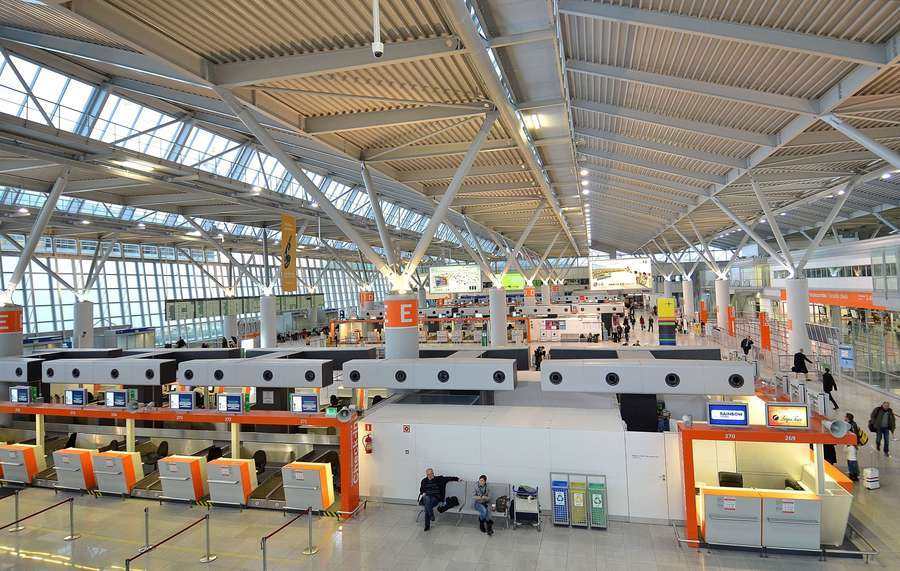
Poland issues two main visa types, and picking the wrong one can strand your plans: a Schengen visa will not cover a year of work, and a national visa is overkill for a two-week trip. This guide explains the C and D visa types using the Polish Foreign Ministry's own definitions, what each one costs in 2026, and how the application works.
The Schengen visa (type C)
A type C visa is the classic short-stay visa. According to the Ministry of Foreign Affairs (MSZ), it is valid across the Schengen area and allows stays of up to 90 days in any 180-day period, in one or several entries. Two variants exist:
- the uniform Schengen visa, valid for the whole Schengen zone,
- the limited-territory visa, valid only in one or several named Schengen states.
The 90/180 rule is rolling: on any given day, your total days inside Schengen over the previous 180 days cannot exceed 90. Type C suits tourism, family visits, business trips and short courses. The fee is EUR 90 for adults since the EU-wide increase in June 2024.
The national visa (type D)
A national D visa is Poland's long-stay visa. Per the MSZ definition, it entitles you to enter Poland and stay continuously, or over several consecutive stays, for more than 90 days in total during the visa's validity - and no longer than one year. A D visa also lets you travel within the rest of the Schengen area for up to 90 days in any 180-day period while it is valid.
Type D is the right instrument for work, university study, family reunification and other stays that will exceed three months. Since 1 June 2024 the fee for accepting and processing a national visa application is EUR 135, following the MSZ regulation of 21 May 2024 (Dz.U. 2024 poz. 774); the ministry raised it deliberately to deter non-genuine applications and free up appointment slots. The same EUR 135 applies to a reconsideration request after a refusal.
Documents: what both applications share
The MSZ lists a common core for C and D applications:
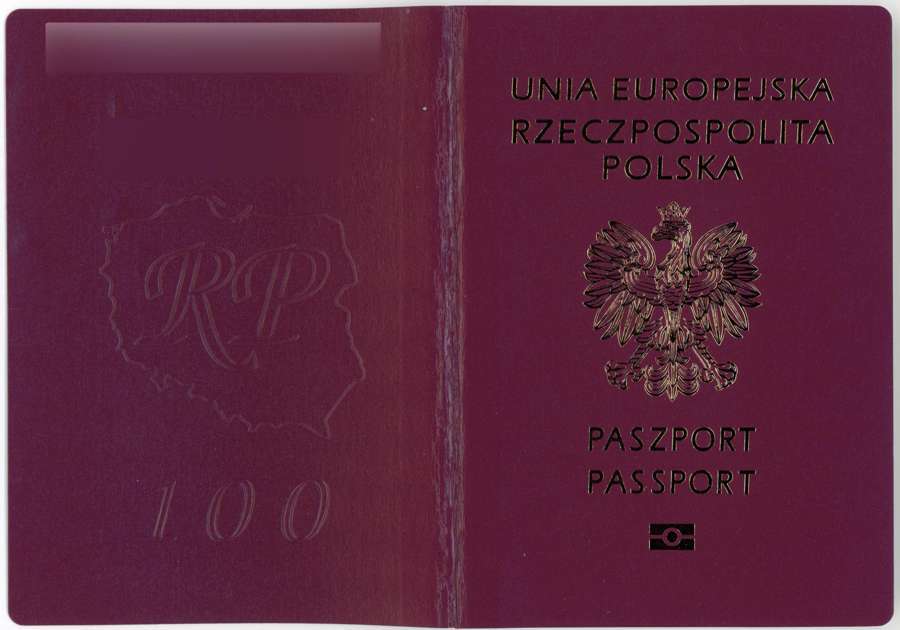
- a travel document (passport),
- a completed and signed visa application form, registered through the E-KONSULAT system,
- confirmation that the visa fee was paid,
- travel medical insurance with coverage of at least EUR 30,000, covering medical repatriation, emergency treatment, hospitalisation or death - or health insurance under Poland's publicly funded healthcare rules,
- supporting documents: proof of the purpose and conditions of stay, proof of sufficient funds for maintenance and return (or that you can obtain them legally), and documents showing you will leave Poland before the visa expires.
The exact supporting documents differ by country and consulate, so the ministry instructs applicants to confirm the list with the specific consular post. For D visas, purpose-specific evidence dominates: a work permit or employer declaration, a university acceptance letter, or family documents.
Which consulate, and how to apply
Schengen rules make the consulate of your main destination responsible; if no main destination can be identified, it is the consulate of the country where you will stay longest. A Polish consulate cannot accept your Schengen application if your trip does not include Poland at all, unless Poland represents another Schengen state for visas in that location.
Applications are registered online in the E-KONSULAT system before your visit to the consulate or its external provider. Demand for slots is high in many countries, so register as early as the system allows for your post.
If the visa is refused
A refusal is not necessarily the end. Polish consular law lets you request that the same consul reconsider the application (wniosek o ponowne rozpatrzenie wniosku); since June 2024 that reconsideration carries the same fee as the original application - EUR 135 for a national visa. The refusal letter explains the reason and the deadline. For Schengen refusals the process and timelines come from the EU Visa Code.
The airport transit visa (type A)
Separate from C and D, the type A airport transit visa only allows transit through the international transit zone of an airport - it does not permit entering Schengen. Poland applies it to citizens of specific countries listed by the MSZ (including Afghanistan, Bangladesh, Ethiopia, Ghana, Iran, Iraq, Cuba, Nigeria, Pakistan, Somalia and Sri Lanka, among others). If your nationality is on the list and you only change planes in Warsaw, check whether you need one before booking.
Frequently asked questions
Can I work in Poland on a Schengen C visa?
A C visa allows short stays of up to 90 days per 180 days. Working in Poland requires the right to perform work, which short-stay visas generally do not provide; employment-based stays use the national D visa route together with a work permit or employer declaration, depending on your nationality and situation.
How long can I stay in Poland on a national D visa?
More than 90 days and up to one year within the visa's validity, in one continuous stay or several consecutive stays. The visa also lets you spend up to 90 days in any 180-day period elsewhere in Schengen.
What are the visa fees in 2026?
EUR 90 for a Schengen C visa (EU-wide rate since June 2024) and EUR 135 for a Polish national D visa, including reconsideration requests, since the MSZ fee change of 1 June 2024.
Do I apply online or in person?
Both: you register the application online in the E-KONSULAT system, then submit documents at the consulate or its external provider in person. Supporting document lists vary by post, so confirm with your consulate. * Photo (cover): "Terminal A, Warsaw Chopin Airport" by Adrian Grycuk, CC BY-SA 3.0 PL, via Wikimedia Commons. Photo (body): "Polish border guards in Duszniki-Zdroj" by Wlodek k1, CC BY 3.0, via Wikimedia Commons.