Karta Polaka: Who Can Get It and What It Gives You (2026)
Short answer: The Karta Polaka is for people of Polish descent or documented ties to Polish culture who are not Polish citizens. Holders can work without a permit, run a business on citizen terms, study, get a 37% rail discount and free state museum entry - and apply for permanent residence with no stamp duty.

What the Karta Polaka is
The Karta Polaka is an official document confirming the holder's belonging to the Polish Nation. It is aimed at people of Polish descent or with documented ties to Polish language and culture who live abroad - above all in the countries of the former Soviet Union - and want a formal link with Poland. The current consolidated text of the Karta Polaka Act dates from January 2026 (Dz.U. 2026 poz. 76); the rules below follow it and the official voivodeship-office guidance, as of October 2026.
Two warnings from the consular service frame everything else. The Karta Polaka does not mean Polish citizenship, and it is not a document entitling you to cross the border or settle in Poland. It is a status document that unlocks specific rights - you still need a visa or another legal basis to be in Poland while you use them.
Who can get it
Under Article 2 of the Act, the card can be granted to a person who declares belonging to the Polish Nation and meets all of these conditions together:
- shows a bond with Polishness through at least a basic command of Polish, treated as their native language, plus knowledge and cultivation of Polish traditions and customs,
- makes a written declaration of belonging to the Polish Nation in the presence of a Polish consul (or, in cases handled in Poland, the voivode),
- proves Polish nationality, or that at least one parent or grandparent, or two great-grandparents, were of Polish nationality - or, alternatively, presents a certificate from an authorised Polish or Polonia organisation confirming at least three years of active involvement in work for Polish language and culture or the Polish minority,
- declares that they or their ancestors were not repatriated from Poland under the 1944-1957 repatriation agreements.
The card is open to people who do not hold Polish citizenship or a Polish permanent residence permit, and to stateless persons. A separate route exists for people whose Polish origin was confirmed under the Repatriation Act, again conditional on basic Polish.
On proving the language: a school or university diploma from Poland, a diploma from a foreign school with Polish as the language of instruction, or a state certificate of Polish does the job. A language-course certificate alone does not. If you have none of these, the consul assesses your Polish in a conversation covering, among other things, Polish traditions and customs.
What it gives you
The Act and the consular service list a practical package of rights in Poland:
- work without a work permit, under the rules of the 2025 Act on entrusting work to foreigners,
- running a business on the same terms as Polish citizens,
- studying and doctoral education, plus participation in research, on the terms set by the higher-education law,
- emergency healthcare under the publicly funded healthcare rules,
- a 37% discount on rail travel in Poland on single tickets for ordinary, fast and express trains,
- free entry to state museums,
- consular assistance if your life or safety is at risk,
- exemption from consular fees for the national-visa application filed to use these rights, and for the citizenship-grant application file,
- a cash benefit towards living costs if you apply for permanent residence - granted for up to 9 months,
- priority when applying for financial support dedicated to Poles abroad.
Validity and renewal
The card is valid for 10 years from the date it is granted, and can be extended for another 10 years if you apply no later than 3 months before it expires. Two variations: a card granted to someone over 65 is valid indefinitely, and a card issued to a minor is valid for 10 years but no longer than one year after they turn 18 - in practice, they should file for an extension within 9 months of reaching adulthood.
The permanent residence route
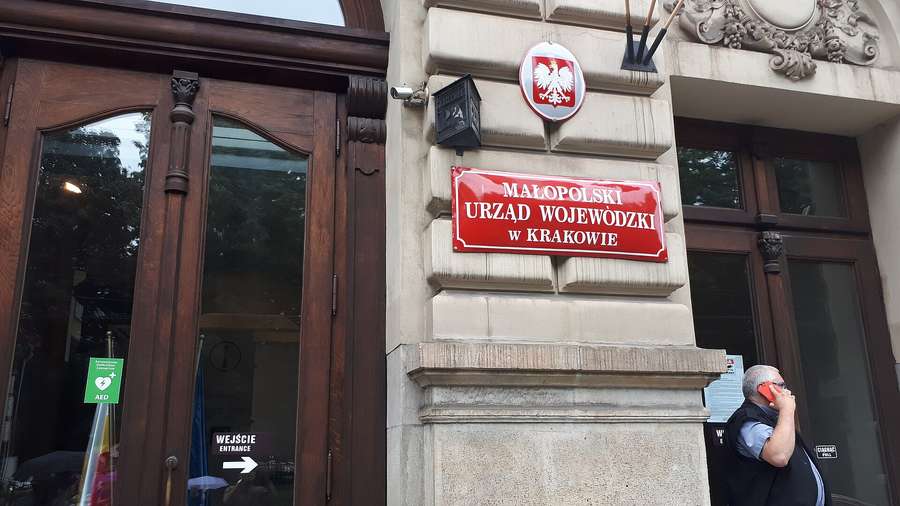
For many holders the most valuable right is the one written into the Act on Foreigners. A foreigner who holds a valid Karta Polaka and intends to settle in Poland permanently can receive a permanent residence permit, granted for an indefinite period, under Article 195(1)(9). The Podlasie Voivodeship Office's service page sets out the current mechanics:
- applications are filed electronically through the MOS 2 portal (our MOS guide explains the system) - paper applications are left unprocessed,
- the deadline is the last day of your legal stay in Poland,
- the procedure is exempt from stamp duty,
- required documents are the application form, three photographs and a copy of your travel document; a copy of the valid Karta Polaka (original for inspection) and documents confirming the intention to stay permanently should be attached to keep the case moving.
Foreign-language documents need a sworn Polish translation. This is a strong route precisely because the permit is indefinite and the usual 340 zł stamp duty does not apply.
What it does not do
The card is not a passport, not a visa and not a residence title. It does not let you cross the Polish border by itself, does not legalise a stay, and does not make you a citizen. Think of it as the key that opens several doors - you still have to walk through them in the right order: legal entry first, then the rights, then, if you want, permanent residence.
Frequently asked questions
Is the Karta Polaka proof of Polish citizenship?
No. It confirms belonging to the Polish Nation, which is a cultural and legal status, not citizenship. The consular service is explicit: the card does not mean Polish citizenship and is not a document entitling border crossing or settlement.
Can I work in Poland with just a Karta Polaka?
The card exempts you from the work-permit requirement and lets you run a business on the same terms as Polish citizens. But the card alone does not legalise your stay - you need a visa or another legal basis to be in Poland while working.
How long is the Karta Polaka valid?
Ten years, extendable for another ten if you apply at least three months before expiry. Cards granted after age 65 are indefinite; cards issued to minors expire no later than one year after the holder turns 18.
Do Karta Polaka holders pay for the permanent residence application?
No. The permanent residence procedure for a holder of a valid Karta Polaka intending to settle permanently is exempt from stamp duty, under the current voivodeship-office guidance. * Photos: Mafo (Wikimedia Commons, CC BY-SA 4.0) and MOs810 (CC BY 4.0)