Family Reunification in Poland: Residence for Spouses, Children
Short answer: Spouses and minor children can join a relative in Poland if the sponsor holds a permanent, EU long-term resident, Blue Card or protection status, or has 2 years on consecutive temporary permits. The applicant needs health insurance, stable income and an ensured home; the stamp duty is 340 zl.
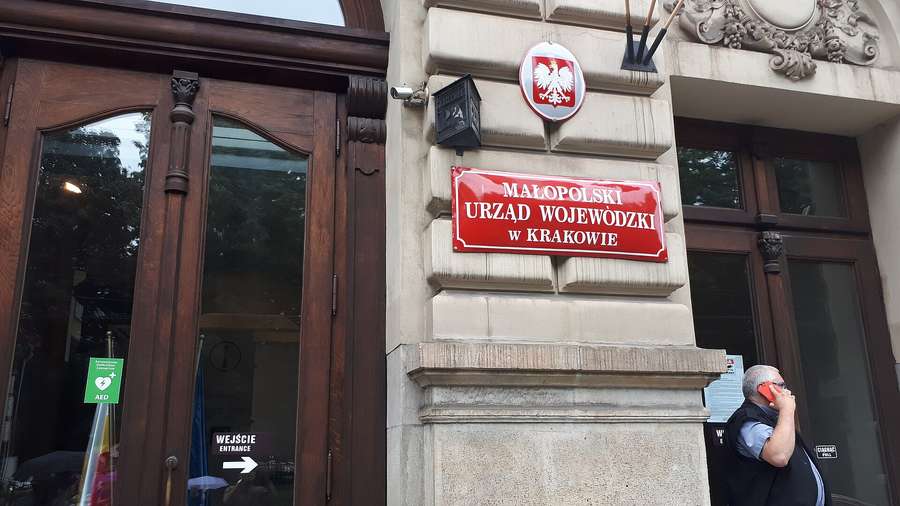
If you live in Poland on a residence permit, your spouse and minor children can usually join you with a temporary residence permit for the purpose of family reunification. The rules sit in the Act on Foreigners - this guide is based on the consolidated text published as Dz.U. 2025 poz. 1079 (Journal of Laws of 2025, item 1079), articles 159-163, current as of October 2026.
Who can be a sponsor?
Under art. 159 of the Act on Foreigners, a family member can get the permit if the relative they are joining lives in Poland on one of these grounds:
- a permanent residence permit
- an EU long-term resident permit
- refugee status or subsidiary protection
- at least 2 years of consecutive temporary residence permits, including a permit granted for at least 1 year directly before the family member applies
- a temporary residence permit or national visa for scientific research or development work
- a temporary residence permit for highly qualified work (the EU Blue Card)
- an intra-company transfer permit, or long-term mobility within an intra-company transfer
- long-term mobility of an EU Blue Card holder
- a consent to stay for humanitarian reasons
In practice this means a worker on their first one-year temporary permit usually cannot bring family yet - the standard route for ordinary workers requires the sponsor to have built up 2 years on consecutive temporary permits, with the most recent one granted for at least a year.
Who counts as a family member?
The Act lists exactly four groups (art. 159 ust. 3):
- a spouse in a marriage recognized by Polish law
- a minor child of the foreigner and that spouse, including an adopted child
- a minor child of the foreigner, including an adopted child, who is supported by the foreigner and over whom the foreigner actually exercises parental authority
- a minor child of the spouse, including an adopted child, supported by the spouse and under the spouse's actual parental authority
Adult children, parents and unmarried partners are not covered by this permit. Separate, narrower paths exist: for example a child born while the parent's visa or temporary permit is valid can receive a permit (art. 160 pkt 2), and a foreigner sharing family life - in the sense of the European Convention on Human Rights - with a Polish citizen can also receive a temporary permit.
The three conditions every applicant must meet
Art. 159 ust. 1 pkt 2 and 3 require the family member to have:
- health insurance within the meaning of the Act on publicly financed healthcare, or confirmation that an insurer will cover treatment costs in Poland
- a stable and regular source of income sufficient to cover the costs of maintaining themselves and the family members they support. Under art. 163, monthly means after deducting housing costs must exceed the income threshold for cash benefits under the social assistance act, counted for the applicant and each supported family member
- an ensured place of residence in Poland
There is one important exception: family members of a refugee or a person granted subsidiary protection do not need to meet the insurance, income and housing conditions if the application is filed within 6 months of the status being granted (art. 159 ust. 2).
How long is the permit valid?
Art. 162 ties the permit's length to the sponsor's status:
- if the sponsor stays on a temporary permit, the family member's permit runs until the sponsor's permit expires
- if the sponsor has a permanent residence permit, an EU long-term resident permit, refugee status, subsidiary protection or a humanitarian stay consent, the family permit can be granted for up to 3 years
What happens after 5 years, or if the marriage ends?
Under art. 161, a spouse or adult child who has stayed in Poland (or, for Blue Card family mobility, in Poland or another EU state) for at least 5 years on family reunification permits can receive their own temporary residence permit. And if the marriage ends through divorce, separation or widowhood - or the sponsoring parent dies - the family member can receive a one-time temporary permit for up to 3 years when their important interest speaks for it (art. 161 ust. 2, art. 162 ust. 3).
What does it cost?
Family reunification is a temporary residence permit without a work component, so the stamp duty is 340 zł, plus 100 zł for issuing the residence card. The card fee drops to 50 zł for a minor under 16 or a pupil or student. See our guide to residence permit fees in 2026 for the full table.
Frequently asked questions
### Can my spouse work in Poland on a family reunification permit?
The permit legalizes stay; it is not a "residence and work" permit. Access to the labour market depends on the sponsor's status - family members of permanent residents, EU long-term residents, refugees and Blue Card holders are generally exempt from the work permit requirement under the separate rules on employing foreigners. Check the current exemption list before relying on it.
We got married abroad. Is our marriage valid for the application?
The Act requires a marriage recognized by Polish law. A foreign marriage certificate usually needs to be legalized or carry an apostille and be translated by a sworn translator; some couples also transcribe the certificate into a Polish civil registry. The voivode will assess the document during the case.
My partner has had temporary permits for 18 months. Can I apply now?
No - for a sponsor on ordinary temporary permits, the Act requires at least 2 years of consecutive temporary residence permits, including a permit granted for at least 1 year directly before your application. Sponsors with permanent residence, EU long-term resident status, a Blue Card or protection status are not subject to this waiting period.