Permanent Residence Permit in Poland: Who Qualifies and How It Works
Short answer: Poland's permanent residence permit is indefinite with a 10-year card, but granted only on specific grounds: Polish spouse after 3 years of marriage plus 2 years of tied stay, Polish origin, Karta Polaka, asylum, children of citizens or residents, and protection routes - not ordinary long residence.
The permanent residence permit (zezwolenie na pobyt staly) is Poland's strongest immigration status short of citizenship: granted for an indefinite period, with a residence card valid 10 years at a time. But unlike many countries, Poland does not hand it out simply for long ordinary residence - the qualifying routes in the Act on Foreigners are specific and mostly family, origin or protection based. As of October 14, 2026, the consolidated text (Dz.U. 2025 poz. 1079) lists them in art. 195. Here is the full map.
Who qualifies: the art. 195 list
The permit is granted on application, for an indefinite period, to a foreigner who fits one of these routes:
- Child of a permanent or EU long-term resident - a child born after the parent received that status, or born while the parent held a temporary permit or a humanitarian/refugee-based stay, remaining under the parent's parental authority (art. 195 ust. 1 pkt 1).
- Child of a Polish citizen under that citizen's parental authority (pkt 2).
- Person of Polish origin who intends to settle in Poland permanently (pkt 3). Polish origin is assessed under the repatriation act rules - documented descent plus Polish language and traditions.
- Spouse of a Polish citizen - the most common expat route. You must have been in a Poland-recognized marriage with a Polish citizen for at least 3 years before applying, and immediately before applying you must have stayed in Poland continuously for at least 2 years on a temporary residence permit tied to that marriage, or on a refugee, subsidiary-protection or humanitarian stay (pkt 4).
- Victims of human trafficking after at least 1 year on the dedicated temporary permit, with cooperation with law enforcement (pkt 5).
- Protection and special-work routes: 5 years of continuous stay connected with refugee status, subsidiary protection or a humanitarian stay; 10 years on a tolerated stay; or 4 years on a temporary residence and work permit granted for the purpose in art. 114 ust. 1a, with a stable and regular income covering you and dependent family members (pkt 6).
- Persons granted asylum in Poland (pkt 8).
- Karta Polaka holders intending to settle permanently (pkt 9).
- UK nationals covered by the Withdrawal Agreement - a residual Brexit category with its own 5-year, income and insurance conditions (pkt 10).
What the permit gives you
- Indefinite stay. The permit itself has no end date (art. 195 ust. 1: "na czas nieoznaczony").
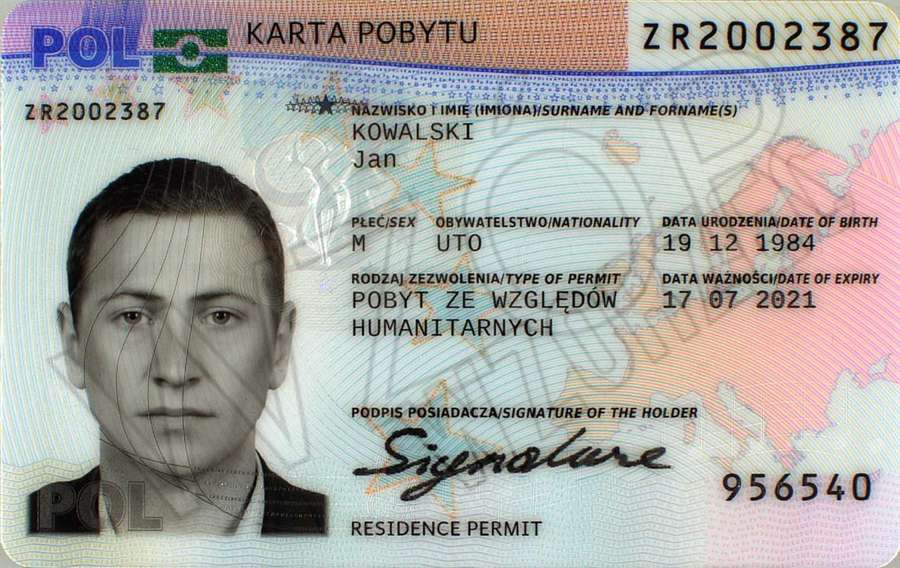
- A 10-year residence card. The karta pobytu issued with a permanent permit is valid 10 years from issue and is then simply exchanged (art. 243 ust. 1 pkt 2).
- Visa-free travel home and back. The card confirms your identity in Poland and, together with your travel document, lets you cross the border repeatedly without a visa (art. 242).
When the office will not even open the case
The voivode refuses to initiate proceedings if, on the application day, you are in Poland illegally or on certain limited Schengen visas (art. 196). Practical meaning: fix your stay legality first - a permanent permit application cannot launder an unlawful stay.
Grounds for refusal
Even inside a qualifying category, the permit is refused if you do not meet the art. 195 ust. 1 requirements, if your data is in the list of foreigners whose stay is undesirable, or if you are flagged in the Schengen Information System for entry and stay refusal (art. 197 ust. 1). The SIS ground is not absolutely automatic: the authority may still grant the permit after weighing the reasons behind the other state's alert and consulting that state through the police (art. 198).
How the application works
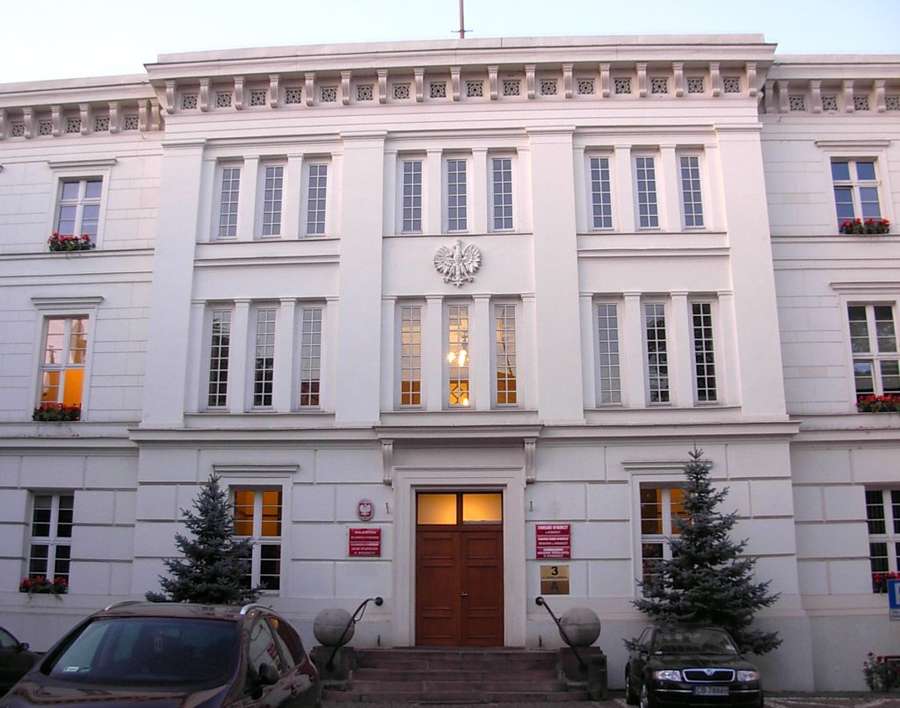
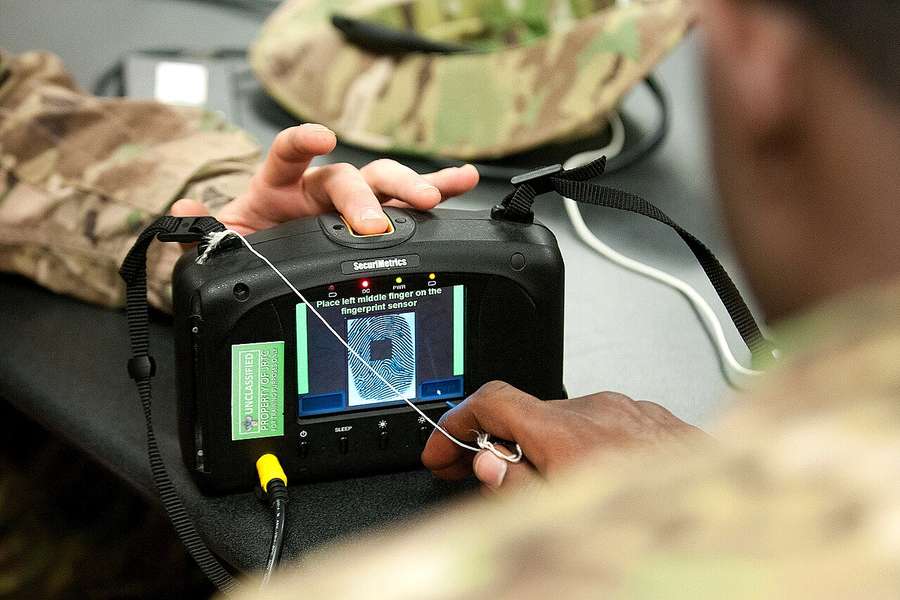
You apply to the voivode (wojewoda) for your region, in person, while staying in Poland legally. The application involves the form, photographs and fingerprints taken at the office - the residence card carries biometric data. Expect the fee and card fee standard for residence permits, and be ready to document the qualifying route: marriage records and shared-life evidence for the spouse route, origin documents and Polish-language proof for the origin route, or the underlying protection decisions for the humanitarian routes. Processing times vary sharply by voivodeship; the statutory framework is the same everywhere, the queues are not.
Permanent permit or EU long-term resident?
Poland runs two parallel statuses. The EU long-term resident permit (rezydent dlugoterminowy UE) is the 5-years-of-legal-residence route most working expats actually use - we cover it in a separate guide. The permanent permit in this article is the narrower list above. Holding either gives indefinite stay; the EU route additionally eases moving to other member states later.
Frequently asked questions
### Can I get permanent residence in Poland just for living here 5 years?
Not under art. 195. The general 5-year route is the EU long-term resident permit, a different status. The permanent permit requires a specific ground: Polish spouse (3 years of marriage plus 2 years on a tied permit), Polish origin, Karta Polaka, asylum, child-of-citizen and the other art. 195 categories.
How long is the permanent residence card valid?
The permit is indefinite; the physical karta pobytu is valid 10 years and is exchanged on expiry (art. 243 ust. 1 pkt 2).
I am married to a Polish citizen. When can I apply?
After at least 3 years of marriage and at least 2 years of continuous stay in Poland immediately before applying, on a temporary residence permit connected with that marriage (art. 195 ust. 1 pkt 4).
Can the voivode refuse even if I qualify on paper?
Yes - for example if you are on the undesirable-stay list or flagged in the Schengen Information System (art. 197), and the office will not open proceedings at all if you are staying illegally (art. 196).